
Eduardo Saverin — Brazilian entrepreneur and Facebook co‑founder
Brazilian-born entrepreneur Eduardo Saverin co‑founded Facebook, provided early funding and business support, later became an angel investor and relocated to Singapore; his citizenship renunciation drew public attention.
Overview
Eduardo Saverin (born March 19, 1982) is a Brazilian internet entrepreneur and investor best known as one of the co‑founders of Facebook. In the company's earliest phase he provided seed capital, helped manage advertising and business arrangements, and was referred to as the company's initial business manager and chief financial officer. After stepping back from day‑to‑day operations, Saverin pursued private investments and became active as an angel investor, with interests spanning North America and Asia.
Image gallery
1 Image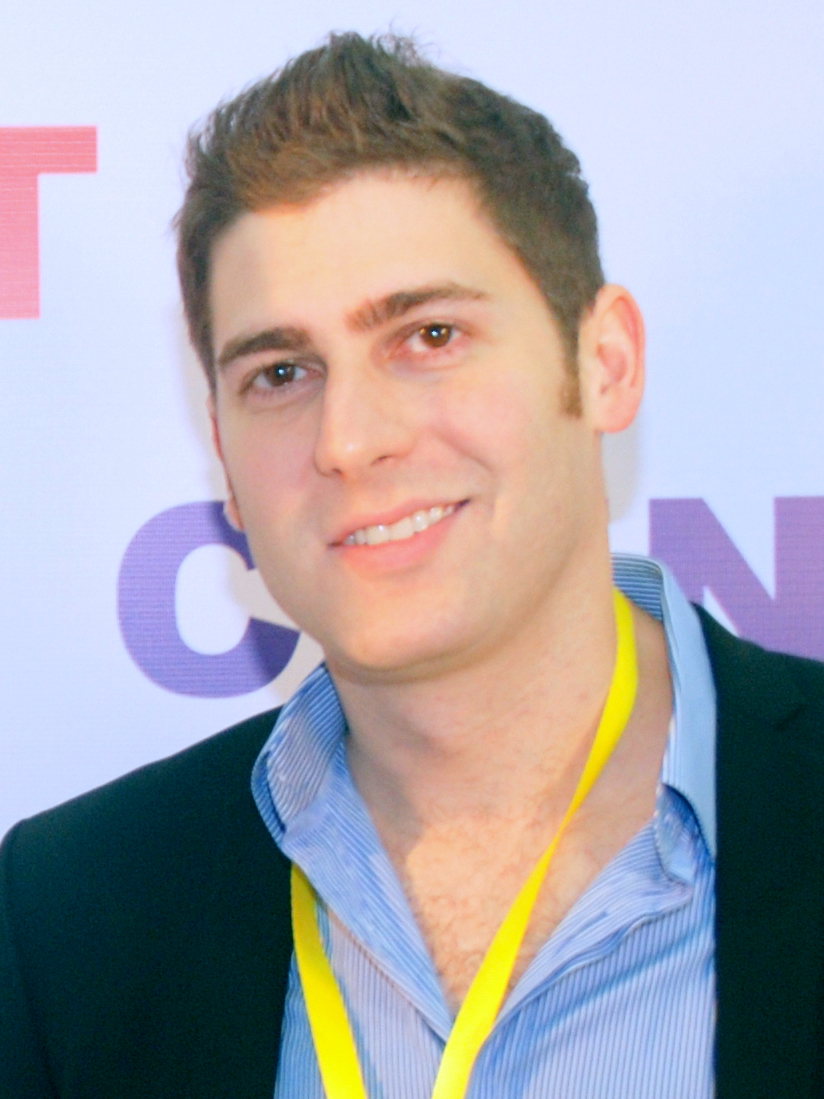
Early life and education
Saverin was born in Brazil and moved with his family to the United States as a teenager for schooling. He attended private schools in the U.S. and later enrolled at Harvard University, where he studied economics. At Harvard he met classmates who collaborated on projects that evolved into the social network launched in 2004. His early contributions at the university included work on student projects and the initial organization of the site’s business side.
Role in Facebook and legal dispute
As an early backer and founding member, Saverin provided some of the initial funding that helped the social network grow beyond its campus origins. He handled early advertising sales, business development and financial administration while the site expanded. Over time his operational involvement diminished as other executives took on larger roles. That transition led to a public dispute among founders and corporate negotiation; the matter was settled out of court, and Saverin retained recognition as a co‑founder. Public summaries note that the disagreement involved equity, corporate control and the allocation of responsibilities during the company’s rapid growth.
Investing activity and business interests
Following his reduced role at the social network, Saverin focused on investing in startups and early‑stage companies. He has been described as an angel investor and has participated in funding rounds for several technology ventures. Reported investments include involvement in companies such as Qwiki and Jumio, among others. His investment approach has been characterized by backing young companies in consumer internet, mobile and identity‑verification services, and by supporting entrepreneurs in both Western and Asian markets.
Citizenship, relocation and controversy
Saverin relocated to Singapore in 2009 and in September 2011 he renounced his U.S. citizenship. He said the decision was motivated by his desire to live and work in Singapore, where he had established residence. The timing of the renunciation drew media scrutiny because it coincided with a period of substantial increases in the value of the shares he held. Some commentators and reports suggested the move had tax implications; Saverin denied that he renounced citizenship to avoid U.S. taxes and emphasized his focus on his life and work in Singapore. Official filings and contemporaneous coverage provide further context to the matter and its public reception; see relevant filings and reporting for more detail via official filings and perspectives on Singapore as a base for entrepreneurs at Singapore resources.
Public image and cultural depiction
Saverin’s role in the origin story of the social network and the subsequent legal dispute attracted broad public attention. He was portrayed in a high‑profile dramatized film about the company’s early years, which shaped public perception of the key figures involved. Beyond that depiction, Saverin has largely maintained a lower public profile, focusing on private investment activities and business interests in Asia while occasionally speaking publicly about entrepreneurship and global business trends.
Philanthropy and personal life
Like many entrepreneurs who have accumulated substantial resources, Saverin has been associated with philanthropic activity, though he tends to keep his charitable work relatively private. Reports and public notes indicate personal interests in international business, supporting startup founders, and maintaining a residence and business operations in Singapore. He has also been noted for preferring a degree of privacy relative to the intense public scrutiny that followed the founding and rapid growth of the social network.
Notable facts
- Recognized as a co‑founder of the social network and an early provider of capital and business support.
- Served in early roles handling advertising, finance and business development for the company.
- After stepping back from operational duties he became an active angel investor with interests in startups across the U.S. and Asia.
- Relocated to Singapore in 2009 and renounced U.S. citizenship in 2011; the decision generated media attention and public debate about timing and tax implications.
- Mid‑2010s reports cited substantial holdings of shares in the company and placed him among the wealthier technology investors of that period.
This entry summarizes widely reported aspects of Eduardo Saverin’s career: his part in founding a major social network, his transition to private investment, his relocation to Singapore, and the public discussions that followed. It emphasizes publicly disclosed events and cautious accounts of contested interpretations rather than private financial minutiae.
Questions and answers
Q: Who is Eduardo Luiz Saverin?
A: Eduardo Luiz Saverin is a Brazilian Internet entrepreneur and "angel" investor. He is one of the co-founders of Facebook and has a net worth of $10.3 billion, according to Forbes.
Q: How much does he own in Facebook shares?
A: As of 2015, he owns 53 million Facebook shares (approximately 0.4% of all outstanding shares).
Q: What companies has he invested in?
A: He has invested in early-stage startups such as Qwiki and Jumio.
Q: When did he renounce his U.S. citizenship?
A: He renounced his U.S citizenship in September 2011.
Q: Why did he renounce his U.S citizenship?
A: According to Saverin, he renounced his citizenship because of his "interest in working and living in Singapore" where he has been since 2009.
Q: How much money did Saverin avoid paying by giving up his U.S citizenship?
A: By giving up his U.S citizenship, Saverin avoided an estimated $700 million in capital gains taxes; this generated some media attention and controversy.
Q: Does Saverin deny that leaving the US was done to avoid paying taxes ?
A: Yes, Saverin denies that he left the U.S to avoid paying taxes
Related articles
Author
AlegsaOnline.com Eduardo Saverin — Brazilian entrepreneur and Facebook co‑founder Leandro Alegsa
URL: https://en.alegsaonline.com/art/118121
Sources
- bloomberg.com : "Facebook Co-Founder May Gain Choosing Singapore Over U.S."
- imcmsimages.mediacorp.sg : "Saverin 'has no plans to become S'pore citizen'"
- forbes.com : "Eduardo Saverin Net Worth"
- federalregister.gov : "Quarterly Publication of Individuals, Who Have Chosen to Expatriate, as Required by Section 6039G"
- thecrimson.com : "Business, Casual"
- forbes.com : "America's Youngest Billionaires"
- bloomberg.com : "Facebook Co-Founder Saverin Gives Up U.S. Citizenship Before IPO"
- sec.gov : "UNITED STATES SECURITIES AND EXCHANGE COMMISSION INITIAL STATEMENT OF BENEFICIAL OWNERSHIP OF SECURITIES - Eduardo Saverin"
- forbes.com : "The World's Billionaires 2017"
- huffingtonpost.com : "Facebook Co-Founder Eduardo Saverin Invests In Qwiki"
- techcrunch.com : "Exclusive: Facebook Co-Founder Eduardo Saverin Leads $6.5M Round For Jumio"
- forbes.com : "In Praise Of Eduardo Saverin's Tax Avoidance"
- wsj.com : "So How Much Did He Really Save?"
- blogs.wsj.com : "Facebook Co-Founder Saverin Fires Back At 'Misinformation'"