
Eddy Merckx: life and legacy of a cycling legend
Overview of Eddy Merckx, Belgian professional cyclist known as 'The Cannibal', his major victories, records, racing style, and lasting influence on the sport.
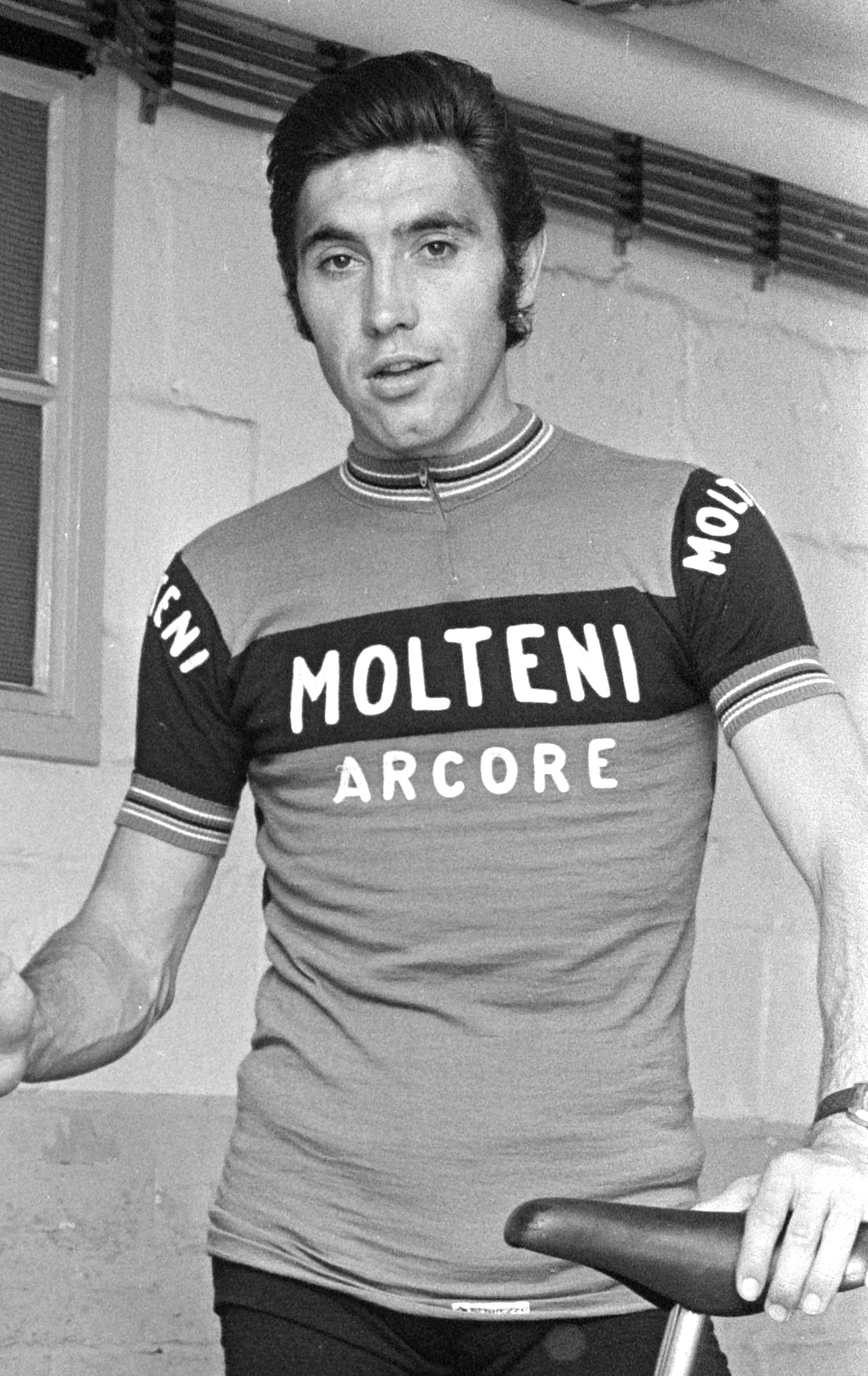
Edouard ("Eddy") Merckx, born 17 June 1945 in Meensel‑Kiezegem, Belgium, is a retired professional road racing cyclist widely regarded as one of the greatest riders in the sport's history. Ennobled as a baron in recognition of his achievements, Merckx combined exceptional physical talent with an aggressive, all‑round racing style that allowed him to win sprint finishes, mountain stages and time trials.
Nicknamed "The Cannibal" for his relentless drive to win, Merckx was notable for attacking repeatedly and refusing to settle for second place. His versatility set him apart: he could ride fast in long solo breaks, respond to sharp classics-style racing, and contest mass sprints. Teammates and rivals alike described him as intensely competitive and tactically astute.
Image gallery
10 Images


Career highlights
- Grand Tours: winner of five editions of the Tour de France and five editions of the Giro d'Italia, plus victory in the Vuelta a España—achievements that place him among the most successful Grand Tour riders ever.
- Monuments and classics: multiple wins in the sport's most prestigious one‑day events, securing his reputation as a complete classics rider.
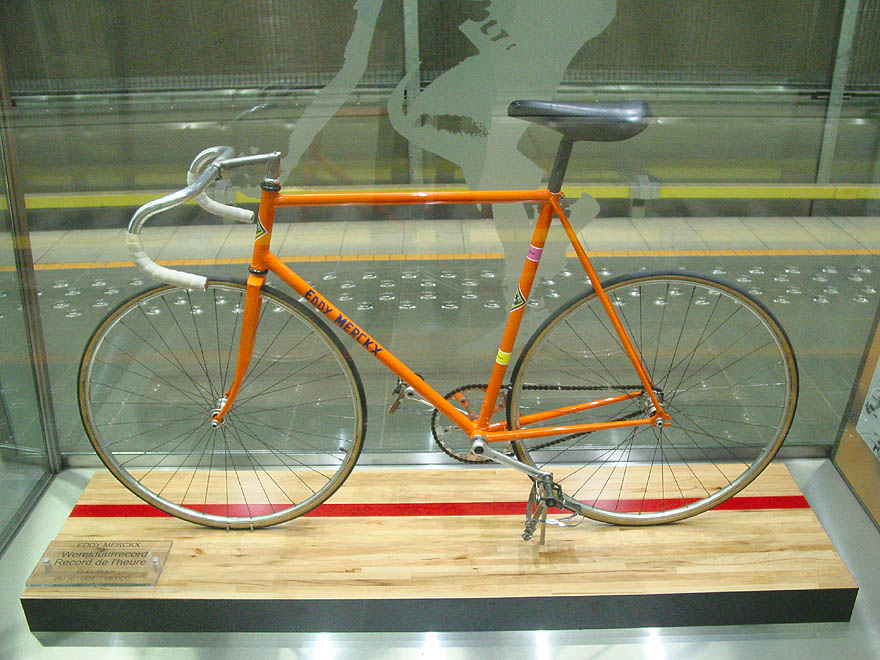
- Records: set the UCI hour record during his career and accumulated more than 500 professional victories, a total unmatched by most peers.
Merckx turned professional in the mid‑1960s and rose quickly to dominate both stage races and one‑day classics. His peak years, marked by consistent victories across different types of events, redefined expectations for what a single rider could achieve in a season. He earned extensive media attention and drew new audiences to cycling.
After retiring from competitive racing, Merckx remained active in the cycling world. He founded and lent his name to cycling projects and businesses, served as an ambassador for the sport, and continued to influence bicycle design and promotion. His legacy includes not only record books but also coaching, product development and public advocacy for cycling.
Legacy and notable facts
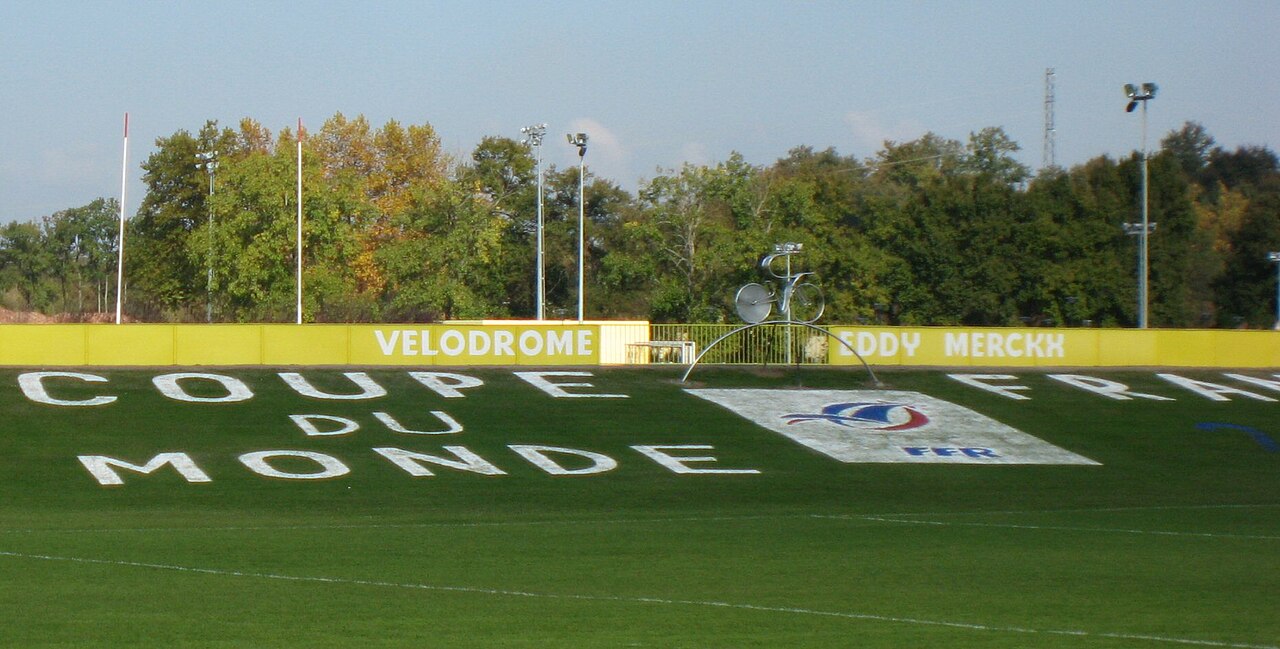
Merckx's dominance reshaped professional cycling: riders and teams adapted tactics to respond to his aggressiveness, and later generations cite him as an inspiration. He is often referenced in discussions about the "greatest cyclist" and appears frequently in historical rankings. While some aspects of professional cycling in his era remain debated, Merckx's combination of wins, versatility and sustained excellence secures his place as a defining figure in the sport's modern era. For more information on his life and career, see a concise biographical overview and a comprehensive career summary.
Questions and answers
Q: Who is Eddy Merckx?
A: Eddy Merckx is a former Belgian professional road racing cyclist.
Q: What is Merckx known for?
A: Merckx is known as the greatest and most successful cyclist of all time, who established several world cycling records.
Q: When and where was Merckx born?
A: Merckx was born on June 17, 1945, in Meensel-Kiezegem, Vlaams Brabant, Belgium.
Q: Is Merckx still active in cycling?
A: No, Merckx is a retired professional cyclist.
Q: Are any of Merckx's cycling records still unbroken?
A: Yes, some of Merckx's world cycling records remain unbroken to this day.
Q: What is Merckx's title?
A: Merckx holds the title of Baron Edouard Louis Joseph Merckx.
Q: What is the IPA representation of Merckx's name?
A: The IPA representation of Merckx's name is ['merks].
Related articles
Author
AlegsaOnline.com Eddy Merckx: life and legacy of a cycling legend Leandro Alegsa
URL: https://en.alegsaonline.com/art/118049