
Doug Sahm: American musician and roots-rock pioneer
Doug Sahm (1941–1999), San Antonio-born singer, multi-instrumentalist and songwriter who blended country, Tex‑Mex, rock and Americana; leader of the Sir Douglas Quintet and member of later Tex‑Mex projects.
Douglas Wayne Sahm (November 6, 1941 – November 18, 1999) was an American singer, songwriter and multi-instrumentalist from San Antonio, Texas. He rose to prominence as a youthful performer in country traditions and went on to become a central figure in several hybrid styles that later fed into contemporary roots and Americana scenes. Early billing as a child prodigy reflected his skill on guitar and fiddle and his facility with country idioms.
Image gallery
6 Images


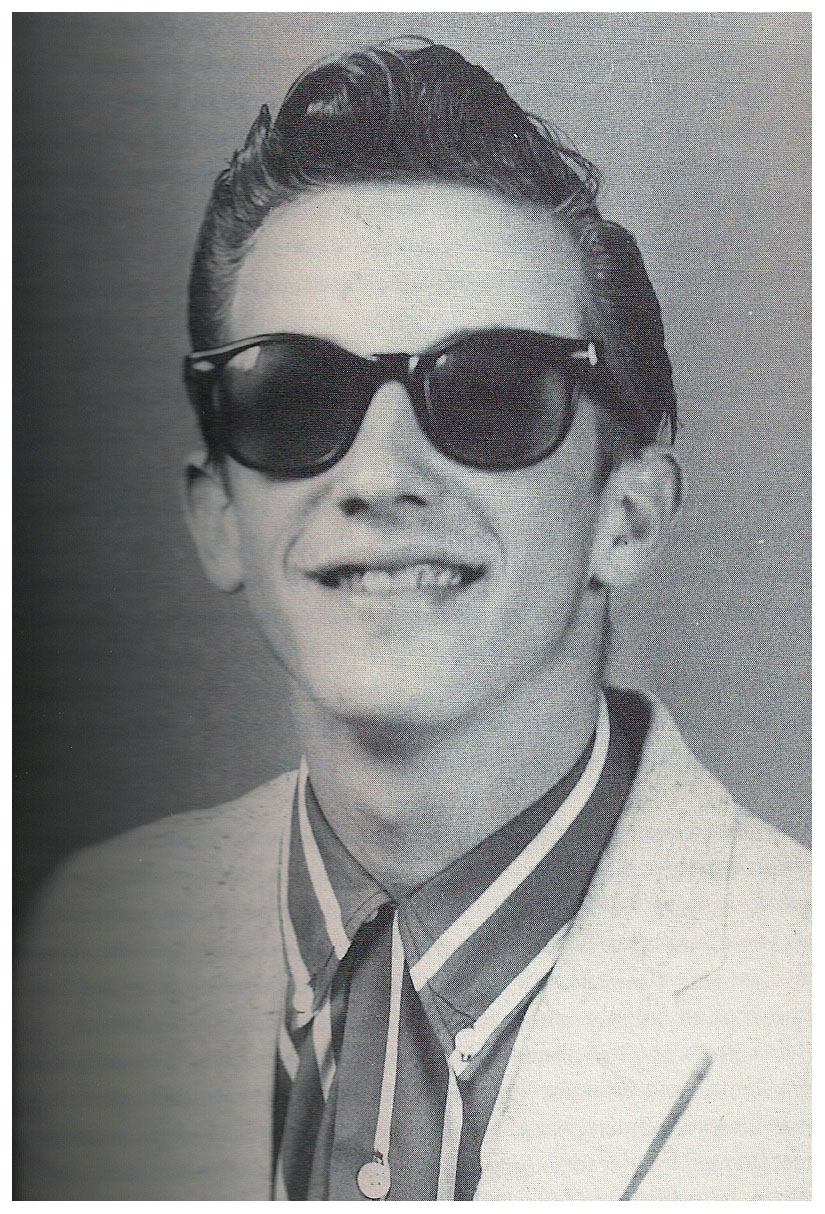

Musical style and influences
Sahm was known for mixing musical languages: traditional country music, rhythm and blues, Tex‑Mex conjunto, rock and roll and other vernacular forms. Critics and peers often describe his work as part of roots rock and Americana, while his recordings and bands drew on tejano music and conjunto textures as much as on electric guitar rock. This eclecticism made him a bridge between regional Texas sounds and a broader American popular music audience.
Career highlights
In the mid 1960s Sahm led the Sir Douglas Quintet, a rock outfit built around a Tex‑Mex sound that produced regional and national attention with a mid‑1960s hit often cited as a signature tune. The band's image and name were partly crafted to navigate the British Invasion era while foregrounding distinctly Texan musical roots and rock and roll energy.
Later in his career Sahm continued to explore collaborative formats, forming groups and projects that reunited him with longtime associates and with distinguished Mexican‑American musicians. He also worked in settings that highlighted accordion and conjunto players, joining forces with artists such as Augie Meyers, Freddy Fender and Flaco Jiménez to emphasize the tejano and Tex‑Mex strand of his sound.
Legacy and importance
Sahm is remembered for his genre-crossing approach and for helping to normalize bilingual, bicultural elements in popular American music. His work influenced later generations of roots musicians and regional scenes that prize mixture of styles — from country and blues to conjunto and R&B — often described broadly as other genres that defy simple classification. Performers and historians cite him as a formative figure in the development of modern Texas music and contemporary Americana.
Though he died in 1999, Sahm's recordings and the bands he fronted continue to be referenced by musicians who value musical hybridity and the blending of rural and urban traditions. For further reading on specific albums, collaborations and timelines, see dedicated biographies and discographies that document his long and varied career.
Questions and answers
Q: Who was Doug Sahm?
A: Doug Sahm was an American musician who was born in San Antonio, Texas.
Q: What was his specialty in music?
A: He was a child prodigy in country music and later became best known in roots rock, tejano music, Americana, and other genres.
Q: What was the name of his popular rock and roll band in the 1960s?
A: He was the lead singer of a popular 1960s rock and roll band called the Sir Douglas Quintet.
Q: Who did he form a Tex Mex band with?
A: He later formed a Tex Mex band with Augie Meyers, Freddy Fender and Flaco Jimenez.
Q: When was he born and when did he pass away?
A: Doug Sahm was born on November 6, 1941, and he passed away on November 18, 1999.
Q: What was Doug Sahm known for?
A: Doug Sahm was known for his expertise in multiple genres of music such as roots rock, tejano music, Americana, and country music.
Q: In which area was Doug Sahm born?
A: Doug Sahm was born in San Antonio, Texas.
Related articles
Author
AlegsaOnline.com Doug Sahm: American musician and roots-rock pioneer Leandro Alegsa
URL: https://en.alegsaonline.com/art/117928
Sources
- tshaonline.org : "Douglas Wayne Sahm"
- nytimes.com : "Doug Sahm, Musical Voice of Texas, Dies at 58"