
Bishop Auckland
Market town in County Durham, England; historic episcopal seat around Auckland Castle, with mining and industrial heritage, cultural regeneration and tourist attractions; population about 16,000 (2011).
Bishop Auckland is a market town and civil parish in County Durham, England. It developed around the historic residence of the Bishops of Durham at Auckland Castle and later grew as a regional market and industrial centre. The town lies within the wider landscapes of northeast England and is linked by road and rail to nearby Durham and Darlington.
Image gallery
10 Images


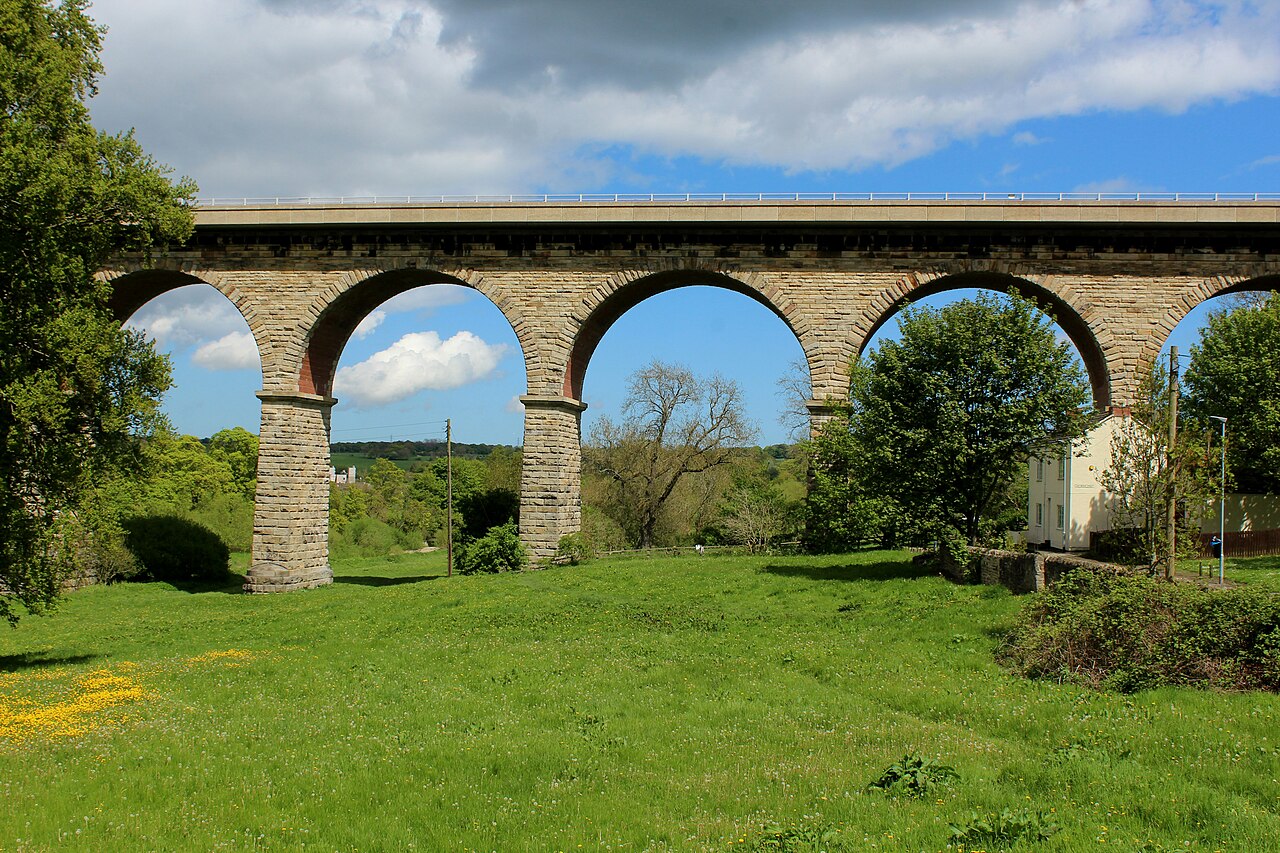


Overview and character
Today Bishop Auckland combines Victorian streets, civic buildings and residential areas with a number of preserved historic sites. The town has a long civic tradition as a local service centre for surrounding villages and former mining communities. At the 2011 census the population was recorded at about 16,276.
History and development
The settlement owes much of its identity to its long association with the bishops of Durham, who maintained a principal residence at Auckland Castle from the medieval period onward. Agriculture and local markets shaped early growth, while the arrival of coal mining and ancillary industries in the 18th and 19th centuries expanded the town’s economy and population. Like many towns in the region it experienced industrial decline in the 20th century and subsequent efforts at economic diversification.
Landmarks, culture and regeneration
Key landmarks include Auckland Castle and its surrounding bishop’s palace complex, historic churches and civic buildings. Cultural initiatives in recent decades have focused on restoring heritage assets and promoting tourism, arts and community projects. Visitors come for the castle, heritage trails and nearby countryside, and for events organised around the town’s cultural venues.
Economy and transport
Historically centred on mining, Bishop Auckland’s modern economy mixes retail, public services, light industry and tourism. Transport links connect the town to the region by road and by rail services on routes serving local and leisure lines. The surrounding rural and upland areas offer recreational opportunities and countryside access.
Notable facts and further information
Bishop Auckland’s history as an episcopal seat gives it an unusual collection of ecclesiastical and secular architecture for a provincial town. For more on the county context see County Durham, which provides regional background on history, landscape and administration.
- Auckland Castle and bishop’s palace
- Market town heritage and Victorian civic buildings
- Links to coal-mining and industrial eras
- Recent cultural and heritage regeneration efforts
Early history
The first mention of the place dates from around 1000 AD as land given to the Earl of Northumberland for the defence of the church against the Scots. Another reference dates from 1020 AD when Knut the Great Bishop gave Auckland to the Bishop of Durham. So there was almost certainly a village on the present site of the town. But there was evidence of a church on the site of St Andrew's Church long before that, such existed as early as the 7th century. In addition, the Romans had a lookout point on the site where Auckland Castle now stands, and a 0.04 sq km fort at nearby Binchester. There is also evidence of possible Iron Age settlements in the vicinity of the city from Bronze Age, Neolithic and Mesolithic artefacts.
Personalities
- Stuart Alderson (* 1948), football player
- Fiona Hill (* 1965), US government official
- Ross Turnbull (* 1985), goalkeeper for Leeds United
Related articles
Author
AlegsaOnline.com Bishop Auckland Leandro Alegsa
URL: https://en.alegsaonline.com/art/11785
Sources
- genuki.org.uk : GENUKI
- neighbourhood.statistics.gov.uk : Neighbourhood Statistics