
Birmingham pub bombings (21 November 1974)
A series of bomb attacks in Birmingham, England, on 21 November 1974 that killed 21 people, injured many more and led to one of the UK's most significant miscarriages of justice.
The Birmingham pub bombings occurred on 21 November 1974 when explosive devices detonated at two city centre pubs in Birmingham, West Midlands, England. The blasts killed 21 people and injured many others. Responsibility for the attacks has been attributed to the Provisional Irish Republican Army, which was conducting a campaign that extended to targets in Great Britain during the period known as the Troubles.
Image gallery
8 Images


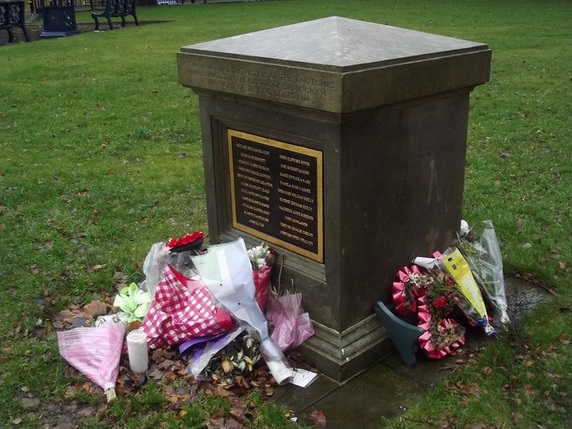


Details of the attack
Two bombs exploded in crowded public houses: one at the Mulberry Bush, which caused multiple fatalities, and another at the Tavern in the Town. A third device was planted in the doorway of a local bank branch but was discovered by a police officer and did not detonate. Contemporary reports describe widespread shock and disruption across the city as emergency services responded to the scenes. The devices are commonly described simply as explosive devices in official accounts.
Legal aftermath and wrongful convictions
The bombings prompted a large criminal investigation and, in 1975, six men were convicted of the murders and given life sentences. These convictions — known collectively as the case of the Birmingham Six — later became widely regarded as unsafe. After lengthy campaigns by supporters and lawyers, the convictions were quashed in 1991 and the men were released. The case highlighted problems with investigative methods, forensic interpretation and detainee treatment, prompting debate and reform in policing and criminal justice.
Context and significance
The attacks took place within the wider context of the Northern Ireland conflict and were among the deadliest terrorist incidents on English soil in the 20th century. They had a lasting impact on public policy, influencing security measures in public places and contributing to review of evidence-handling and appeal procedures. The events also fed into broader discussions about counterterrorism, civil liberties and community relations in Britain.
Legacy and remembrance
- Memorials and annual commemorations remember the victims and reflect on lessons learned.
- The episode is often cited in debates about miscarriages of justice and the need for independent forensic standards.
- Further reading and official records can be consulted through archival and legal resources; for introductory context see sources discussing the Provisional IRA campaign and local histories of Birmingham.
For more detailed archival material and official reports consult historical and legal repositories or local memorial organisations; additional summaries and timelines are available from public information pages and specialist studies that trace both the immediate impact and long-term consequences of the bombings and their aftermath. Contemporary accounts also note the untriggered device recovered at a Barclays branch, and authoritative overviews place the incident in the wider history of the Troubles and of British counterterrorism policy.
Further background and related material can be found via general reference links on the conflict and post‑event inquiries: see materials on the West Midlands policing response and on studies of explosive incidents in England.
Questions and answers
Q: Who carried out the Birmingham pub bombings?
A: The Provisional Irish Republican Army carried out the Birmingham pub bombings.
Q: When did the Birmingham pub bombings occur?
A: The Birmingham pub bombings occurred on 21 November 1974.
Q: Where did the Birmingham pub bombings occur?
A: The Birmingham pub bombings occurred in pubs in Birmingham, West Midlands, England.
Q: How many people were killed in the Birmingham pub bombings?
A: 21 people were killed in the Birmingham pub bombings.
Q: Which pub was the first to be bombed in the Birmingham pub bombings?
A: The Mulberry Bush was the first pub to be bombed in the Birmingham pub bombings.
Q: Was a third bomb planted during the Birmingham pub bombings?
A: Yes, a third bomb was planted in the doorway of a branch of Barclays bank.
Q: Was the third bomb planted during the Birmingham pub bombings detonated?
A: No, the third bomb was found by a policeman and did not explode.
Related articles
Author
AlegsaOnline.com Birmingham pub bombings (21 November 1974) Leandro Alegsa
URL: https://en.alegsaonline.com/art/11742
Sources
- express.co.uk : IRA bomber names four men 'involved in' 1974 atrocity
- bbc.co.uk : Birmingham pub bombings