
David Oaks — Civil Rights Activist and Founder of MindFreedom International
David Oaks is an American civil rights activist known for founding MindFreedom International, an organization of psychiatric survivors and dissident professionals that challenges dominant biomedical approaches to psychiatry.
David William Oaks (born September 16, 1955, Chicago) is an American civil rights activist best known for founding and serving as executive director of MindFreedom International, an advocacy group based in Eugene, Oregon. The organization brings together psychiatric survivors, allied clinicians and other advocates to press for changes in how mental health services are delivered and governed. Oaks has been a visible spokesperson for rights-based approaches to mental health care and for greater attention to the harms some people experience from psychiatric treatment.
Image gallery
1 Image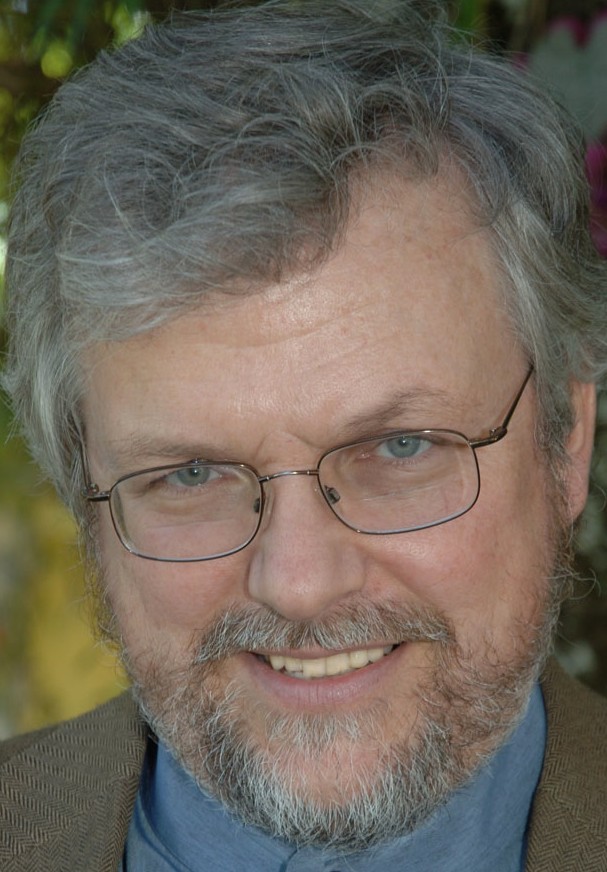
Mission and positions
MindFreedom International, under Oaks's leadership, has described itself as a coalition that questions the prevailing biomedical model of psychiatry and promotes alternatives centered on human rights, informed consent and peer support. The group includes people who identify as psychiatric survivors as well as clinicians who dissent from mainstream psychiatric practice. Critics and supporters alike recognize the organization for its emphasis on patient autonomy and its critiques of overreliance on medication and coercive practices.Learn more about the organisation.
Activities and priorities
- Advocacy for informed consent, transparent information about medication risks, and the right to refuse treatment.
- Promotion of peer-run and noncoercive alternatives to hospitalization and forced treatment.
- Public education campaigns to highlight adverse effects of psychiatric drugs and promote recovery options that do not depend solely on medication.
- Networking among survivors, activists and dissident professionals who challenge dominant paradigms in mental health care.
Oaks and his colleagues have framed much of their work as a civil rights effort: arguing that people subjected to involuntary treatment or stigmatizing diagnoses deserve legal protections, respectful care and access to a range of supports. That stance places MindFreedom in a broader international movement sometimes described as the psychiatric survivor movement or consumer/survivor/ex-patient (c/s/x) movement, which overlaps but is distinct from academic critiques of psychiatry.More on participants
Controversies and impact
The questions raised by Oaks and his organization—about drug side effects, restraint and seclusion, electroconvulsive therapy, and the limits of a strictly biomedical framing of emotional distress—are contested in clinical and policy debates. Mainstream psychiatry has criticized some of the movement's claims, while human rights groups and some clinicians acknowledge the importance of centering patient voices. Oaks's work has contributed to ongoing conversations about how to balance clinical perspectives with civil liberties, and about how to expand supports for people in distress beyond a narrow focus on medications and diagnosis.Context on the biomedical model
Questions and answers
Q: Who is David William Oaks?
A: David William Oaks is a civil rights activist and founder and former executive director of Eugene, Oregon-based MindFreedom International.
Q: Where was he born?
A: He was born in Chicago, Illinois on September 16, 1955.
Q: What does MindFreedom International do?
A: MindFreedom International includes psychiatric survivors and dissident psychiatrists who reject what they say is the "domination" by the biomedical model that defines contemporary psychiatry.
Q: What does Oaks believe about psychiatric drugs?
A: Oaks believes that the psychiatric drugs that patients take have harmful side effects, and people can often recover without them.
Q: What year was he born?
A: He was born in 1955.
Q: Where is MindFreedom International based?
A: It is based in Eugene, Oregon.
Q: What does the organization oppose?
A: The organization opposes what they say is the "domination" by the biomedical model that defines contemporary psychiatry.
Related articles
Author
AlegsaOnline.com David Oaks — Civil Rights Activist and Founder of MindFreedom International Leandro Alegsa
URL: https://en.alegsaonline.com/art/117342
Sources
- mindfreedom.org : The moral imperative for dialogue with organizations of survivors of coerced psychiatric human rights violations
- miwatch.org : "Let's Stop Saying "Mental Illness""
- mindfreedom.org : "Paved With Good Intentions?"
- nytimes.com : "'Mad Pride' Fights a Stigma"
- usicd.org : "David Oaks and MindFreedom International"