
David Lloyd George (1863–1945)
Welsh-born Liberal statesman who led Britain through the latter half of World War I, pioneered social welfare reforms as Chancellor, and shaped the postwar settlement as Prime Minister (1916–1922).
Overview
David Lloyd George (17 January 1863 – 26 March 1945) was a Welsh-born British statesman and leader of the Liberal Party who served as Prime Minister from 1916 to 1922. He is best known for steering the United Kingdom through the final years of the First World War, for major prewar social reforms as Chancellor of the Exchequer, and for his role at the 1919 peace negotiations.
Image gallery
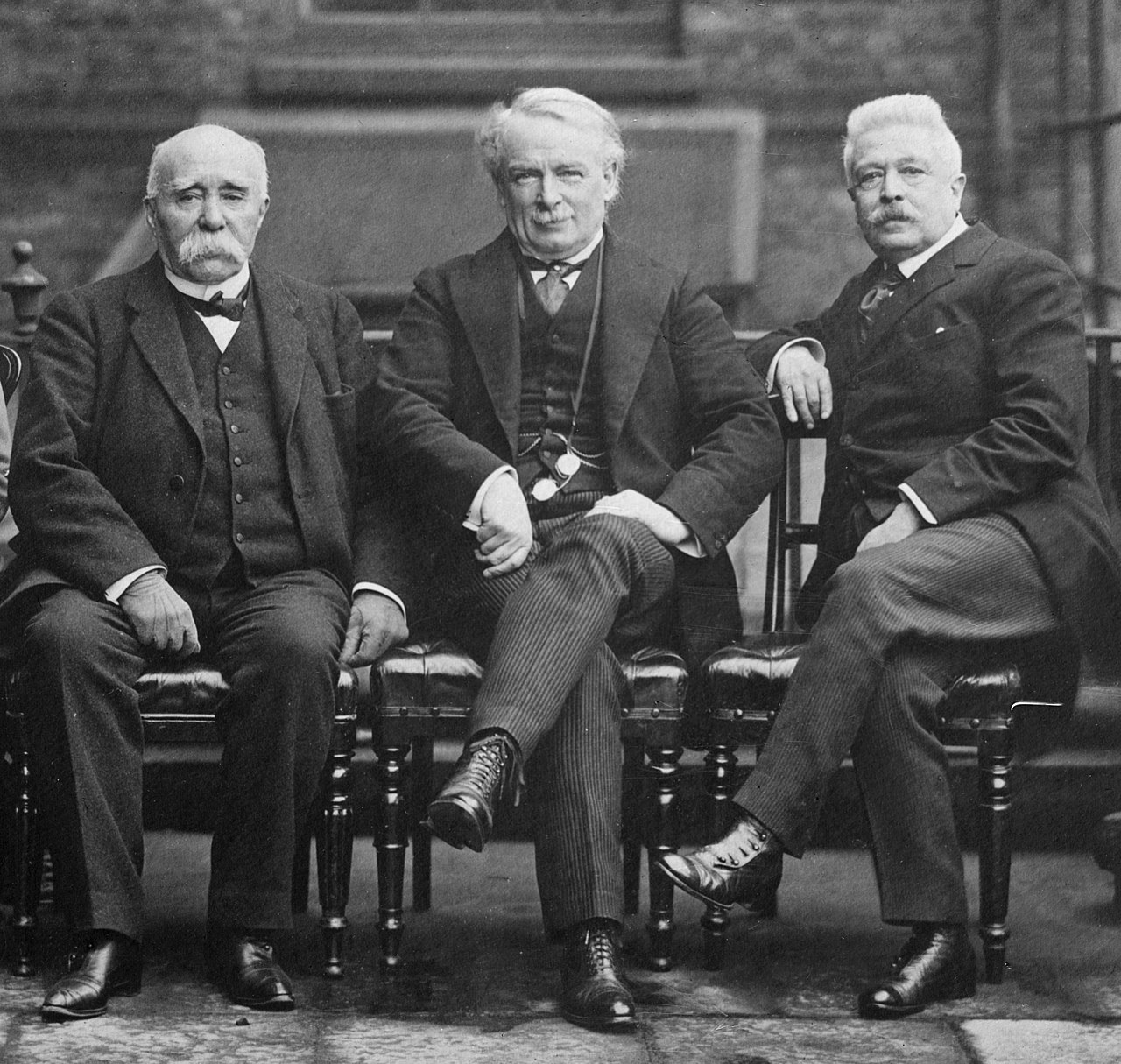
10 Images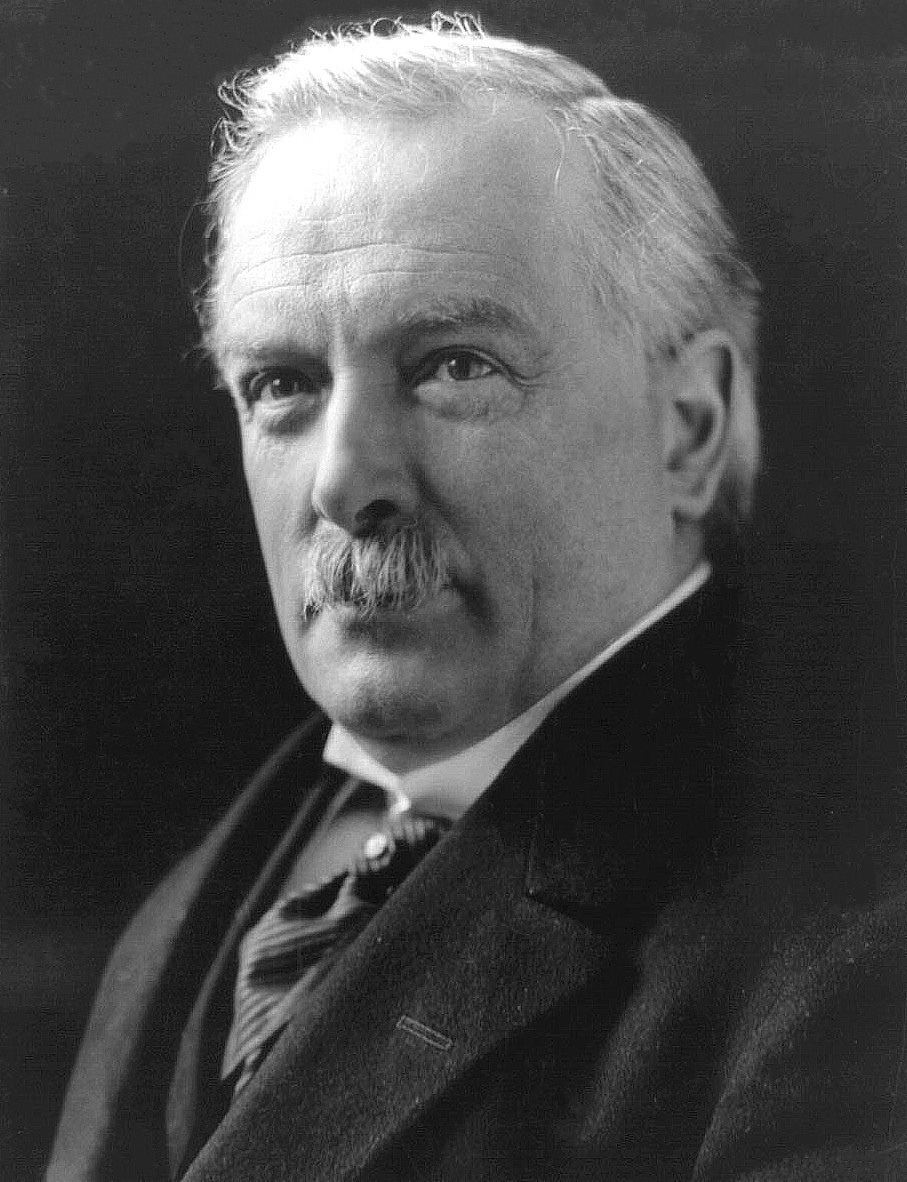




Early life and rise
Born to Welsh parents in Manchester and raised in Wales, Lloyd George trained as a solicitor before entering Parliament. He won his seat in 1890 and rose through the Liberal ranks by combining oratorical skill with practical reform proposals. As Chancellor (1908–1915) he advanced measures such as the 1911 National Insurance scheme and the controversial 1909 budget that aimed to fund social welfare.
Wartime leadership and policies
In 1915 Lloyd George moved into wartime office and became Prime Minister in December 1916, leading a coalition government. His premiership was marked by efforts to increase industrial output, reorganize munitions production, and coordinate allied strategy. Historians note his energetic management style and frequent intervention in military and diplomatic affairs during World War I.
Postwar role and controversies
After the armistice he represented Britain at the Paris peace talks and helped shape the postwar settlement. He also negotiated with Irish leaders, producing the Anglo‑Irish Treaty that led to the Irish Free State. Lloyd George's later years in office were marred by economic difficulties, labour unrest, and allegations of impropriety around honours, which damaged his political standing and led to the end of his coalition government in 1922.
Significance and legacy
He is remembered both as a social reformer who expanded the welfare state and as a wartime prime minister who exercised strong executive authority. Lloyd George remained an MP for many decades and was ennobled shortly before his death. For a concise summary of his parliamentary and personal life see parliamentary records and contemporary biographies available through major collections.
Key offices and milestones
- Member of Parliament from 1890
- Chancellor of the Exchequer (noted for the 1909 budget and social legislation)
- Ministerial wartime roles culminating in the Prime Ministership, 1916–1922
- Delegate at the 1919 Paris Peace Conference
Questions and answers
Q: Who was David Lloyd George?
A: David Lloyd George was a British statesman and politician who served as the Prime Minister of the United Kingdom from 1916-1922.
Q: What was David Lloyd George's full name?
A: David Lloyd George's full name was David Lloyd George, 1st Earl Lloyd-George of Dwyfor, OM, PC.
Q: When was David Lloyd George born?
A: David Lloyd George was born on 17th January, 1863.
Q: When did David Lloyd George serve as the Prime Minister of the United Kingdom?
A: David Lloyd George served as the Prime Minister of the United Kingdom from 1916-1922.
Q: What was David Lloyd George's role during World War I?
A: David Lloyd George was the British Prime Minister during the last half of World War I.
Q: How many years did David Lloyd George serve as the Prime Minister of the United Kingdom?
A: David Lloyd George served as the Prime Minister of the United Kingdom for six years, between 1916 and 1922.
Q: When did David Lloyd George pass away?
A: David Lloyd George passed away on 26th March 1945.
Related articles
Author
AlegsaOnline.com David Lloyd George (1863–1945) Leandro Alegsa
URL: https://en.alegsaonline.com/art/117318
Sources
- llgc.org.uk : "David Lloyd George Exhibition"