
Dan Brown (American novelist)
American novelist known for fast-paced thrillers blending art, history and cryptography; author of The Da Vinci Code and the Robert Langdon series.
Overview
Dan Brown is an American novelist who became internationally known for suspenseful thrillers that weave together art, symbols, secret societies and puzzles. His books typically feature a combination of historical references, modern technology and cryptographic elements, presented in brisk, plot-driven prose. Brown's most widely read novel is The Da Vinci Code, which brought him mainstream fame and led to major film adaptations.
Image gallery
2 Images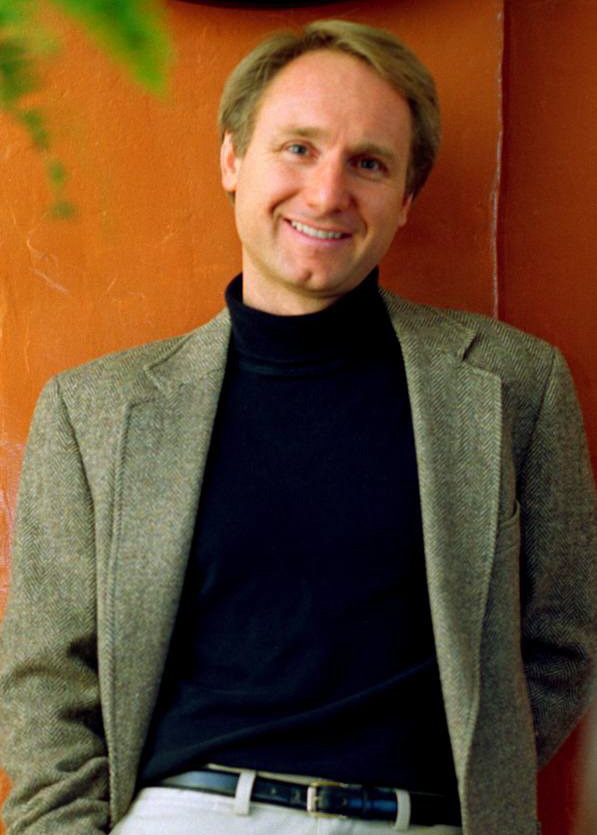

Life and background
Born in the mid-1960s, Brown grew up in the United States in a family where education and music were emphasized: his father worked as a mathematics teacher and his mother was active as a church organist. Before achieving commercial success as a novelist, Brown spent time teaching English and pursuing smaller creative projects. His wife, Blythe, has collaborated with him informally and is known for her work in the visual arts.
Writing, themes and style
Brown's fiction is commonly classified as the historical or conspiracy thriller. He often uses an everyman expert — most famously symbologist Robert Langdon — to guide readers through puzzles and mysteries that link contemporary events with art history, religious motifs and scientific concepts. His narrative style favors short chapters, cliffhanger endings, repeated motifs and explanatory passages that unpack symbols or technologies for general readers. While the books are fiction, they frequently reference real places, works of art and artifacts to create a sense of plausibility.
Notable works and adaptations
Major novels in Brown's bibliography include titles that precede and follow his breakout success. Several of these feature the recurring character Robert Langdon; others are standalone techno-thrillers. His work has been adapted for the screen and other media, most notably a high-profile film version of one of his novels, directed by a prominent Hollywood filmmaker and starring a well-known actor in the lead role. That adaptation contributed to renewed attention for the original book and its themes.
- Digital Fortress
- Angels & Demons
- Deception Point
- The Da Vinci Code
- The Lost Symbol
- Inferno
- Origin
Reception and controversies
Brown's books have been commercially successful and sparked widespread public interest in art history, symbolism and cryptography. They have also prompted debate: scholars and critics have sometimes disputed the historical or factual claims embedded in his plots, and religious and academic communities have responded with both criticism and discussion. Despite these controversies, Brown's storytelling has had a measurable impact on popular culture and encouraged many readers to investigate museums, artworks and historical subjects cited in his novels.
Further notes and resources
Readers seeking more information can consult a variety of sources for publisher pages, interviews, adaptations and critical commentary. The links below are provided as entry points to additional material and contemporary coverage of Brown's life and work:
Link 1 Link 2 Link 3 Link 4 Link 5 Link 6 Link 7 Link 8 Link 9 Link 10 Link 11 Link 12 Link 13 Link 14 Link 15 Link 16 Link 17 Link 18 Link 19 Link 20 Link 21 Link 22 Link 23
As with any popular writer whose fiction intersects with historical and religious topics, readers are encouraged to consult specialist sources when they seek academic-level verification of claims or interpretations presented in Brown's novels.
Questions and answers
Q: When was Dan Brown born?
A: Dan Brown was born on June 22, 1964.
Q: What is the name of his most famous book?
A: Dan Brown's most famous book is The Da Vinci Code.
Q: What did his father do for a living?
A: Dan Brown's father was a math teacher.
Q: Who helped him with his books?
A: Dan Brown's wife, Blythe, sometimes helped him with his books. She is an artist.
Q: Who directed the movie based on one of his books?
A: Hollywood director Ron Howard directed the movie based on one of Dan Brown's books.
Q: Who starred in this movie?
A: Tom Hanks starred in the movie based on one of Dan Brown's books.
Q: How many puzzles were hidden in the art of The Da Vinci Code book cover when it came out in the United States?
A: There were two puzzles hidden in the art of The Da Vinci Code book cover when it came out in the United States.
Related articles
Author
AlegsaOnline.com Dan Brown (American novelist) Leandro Alegsa
URL: https://en.alegsaonline.com/art/117099
Sources
- famousauthors.org : "Dan Brown"
- nymag.com : "How Dan Brown Became Dan Brown"