
Damon Hill — Career, Championship and Legacy in Formula One
Comprehensive overview of Damon Hill: early life, rise through junior formulas, Formula One career (1992–1999), 1996 world title, rivalry with Schumacher, later roles and legacy in motorsport.
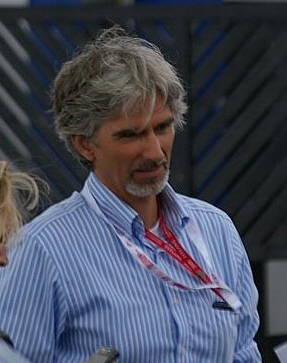
Damon Hill (biography) is a British former racing driver who rose to prominence in the 1990s and became Formula One World Champion in 1996. The son of two-time world champion Graham Hill, Damon Hill followed an unusually indirect path into top-level motorsport. His career attracted attention both for on-track achievements and for the high-profile rivalry he had with Michael Schumacher, as well as for his contributions to the sport after retiring from full-time competition.
Image gallery
9 Images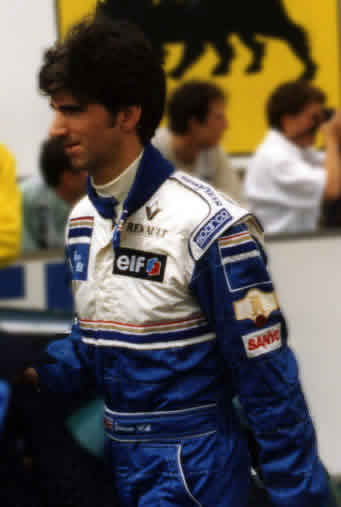


Early life and entry into motorsport
Hill did not follow the usual karting-to-formula ladder started in childhood; he began competitive motorsport as a young adult, initially in motorcycle racing. He began racing motorcycles in the early 1980s and recorded early domestic successes, including wins at club level at circuits such as Brands Hatch. He moved to four-wheel single-seaters in mid-decade, contesting series such as Formula Ford and the UK Formula 3 championship, where he gained valuable racecraft and technical experience. Later he competed in International Formula 3000, the main feeder series for Formula One at the time, and despite not taking race wins there he demonstrated the consistency and development skills needed to progress to F1 and other open-wheel categories (open-wheel).
Formula One breakthrough and Williams years
Hill made his Formula One debut with the struggling Brabham team, gaining experience in difficult conditions and on machinery that did not reflect his future potential. His performances earned him a seat at the dominant Williams team, where he recorded the majority of his Grand Prix victories. He emerged as a regular frontrunner in the mid-1990s, a period marked by close title fights and rapid development of car technology. Hill was noted for his technical feedback and methodical approach to racing, attributes that helped him and his teams extract competitive performance.
Title fights, controversies and the 1996 championship
During the 1994 and 1995 seasons Hill finished runner-up to Michael Schumacher, and the two drivers were involved in several contentious on-track incidents. The collision at the 1994 Australian Grand Prix, which decided the title by the narrowest of margins, is among the most discussed moments of that era. Hill continued to develop as a championship contender and in 1996 secured enough wins and consistent results to claim the World Drivers' Championship. His title was significant not only for his personal achievement but also because he became the first son of a former world champion to win the drivers' crown himself, a distinction noted in motorsport histories.
Later seasons, Jordan victory and retirement
Despite becoming world champion, Hill left Williams at the end of the 1996 season and raced for other teams in the remaining years of his career. In 1997 he drove for the Arrows team and at the Hungarian Grand Prix he led the race and looked set to score a landmark win for a small team and its engine supplier, an outcome that was narrowly denied by circumstances. In 1998 he achieved a memorable victory for the Jordan team at the Belgian Grand Prix, the first Grand Prix win in that team's history, demonstrating his ability to capitalize on opportunities with less-fancied cars. Hill retired from full-time competition after the 1999 season, leaving a record of race wins and podium finishes built over a career of technical competence and determination.
Driving style and reputation
Hill's driving was often described as composed and technically astute rather than flamboyant. He was valued for clear feedback to engineers, race management and the capacity to deliver consistent results under pressure. That style suited the highly technical and rapidly evolving cars of the 1990s and helped Hill remain competitive even when machinery or team resources varied. His career included both celebrated successes and moments of high emotion typical of intense championship battles.
Post-racing roles and contributions
After retiring from racing, Hill remained involved in motorsport in a variety of roles including governance, advocacy and public-facing positions. He took on responsibilities that aimed to support drivers and preserve the heritage and safety of the sport. In 2006 he became president of the British Racing Drivers' Club, succeeding Sir Jackie Stewart (Jackie Stewart), a role in which he represented many professional drivers and played a part in events and organisational matters. Hill has also appeared in media coverage and supported initiatives connected with racing history and driver development.
Legacy and family
Hill's place in Formula One history rests on a late but successful ascent to the sport's summit, his 1996 world title and several memorable victories. He is often cited as an example of persistence and technical aptitude bringing success even when a conventional junior programme was absent. Motorsport remains a family pursuit: Hill's son, Josh, followed the racing path and has competed in contemporary categories, continuing the Hill name in modern motorsport.
For further reading and archival material, see driver profiles and team histories at reputable sources: career profile, detailed results, accounts of his early motorcycle period (motorcycle racing) and histories of teams such as Arrows. Additional background on the Hill family and on the junior series he contested is available through a range of specialist publications and archives: Formula Ford, open-wheel junior categories, the Brabham story (Brabham) and wider Williams team histories (Williams). For contemporary commentary and retrospectives consult timelines and interviews collected in motorsport archives: rivalry timeline, biographical material, and further reference entries (family background, race records, early career).
Questions and answers
Q: What is Damon Hill's full name?
A: Damon Graham Devereux Hill OBE.
Q: When was Damon Hill born?
A: 17 September 1960.
Q: How did Damon Hill begin his motorsports career?
A: He began racing motorcycles in 1983 at the age of 23. The following year, he won the 350 cc Clubman's cup at Brands Hatch. In 1985, he moved on to four-wheel single-seater racing with Team Van Diemen in the Formula Ford championship, before moving up into the UK Formula 3 championship in 1986. After three seasons in Formula 3, where he won four races, Hill ascended another tier of open-wheel racing by joining Mooncraft in the International Formula 3000 championship.
Q: Who was Damon Hill's main rival for the Formula One Driver's Championship?
A: Michael Schumacher.
Q: When did Hill win his first race?
A: His first race win was at the 1993 Hungarian Grand Prix for the Williams team.
Q: What title did Damon Hill win in 1996?
A: He won the 1996 Formula One World Championship title in 1996.
Q: Who is currently president of British Racing Drivers' Club (BRDC)?
A: Damon Hill is currently president of BRDC since 2006 succeeding Jackie Stewart
Related articles
Author
AlegsaOnline.com Damon Hill — Career, Championship and Legacy in Formula One Leandro Alegsa
URL: https://en.alegsaonline.com/art/116974