
Connie Francis — American pop singer and 1950s–60s recording star
Connie Francis, born Concetta Franconero, is an American pop singer who rose to fame in the late 1950s and 1960s with emotional ballads, multilingual recordings and the hit "Who's Sorry Now?".
Connie Francis (born Concetta Rosa Maria Franconero in 1937) is an American pop singer who became a major recording star in the late 1950s and early 1960s. She crossed the boundary between teen-oriented rock and roll and more traditional pop, building a broad audience with both uptempo songs and sentimental ballads.
Image gallery
9 Images

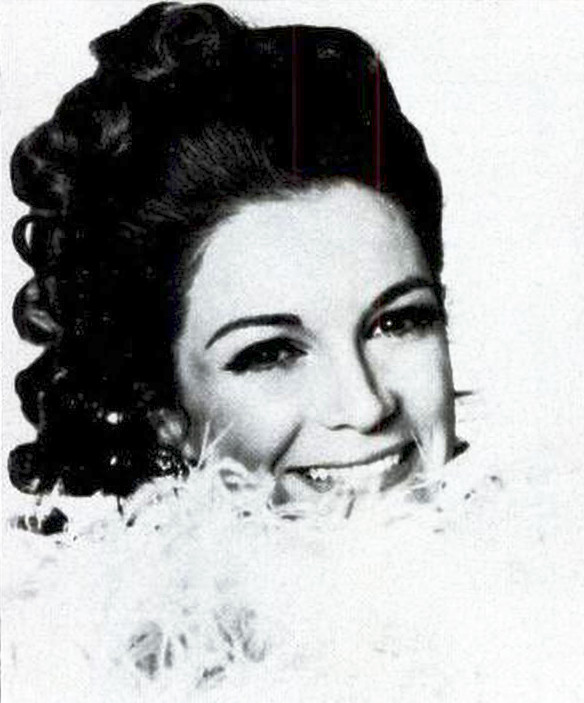


Vocal style and repertoire
Francis was noted for a highly expressive delivery that critics sometimes described as a sobbing style or tearful phrasing; she used this approach on many dramatic ballads to convey vulnerability and emotion. At the same time she recorded lively, rhythmic numbers and adapted material from different traditions, giving her a versatile public image rather than a single, fixed persona. Her catalog includes English-language pop hits as well as recordings in other languages.
Career highlights
Her breakthrough as an adult performer came with the 1958 hit "Who’s Sorry Now?", which relaunched her career and led to a string of successful singles and albums. Several of her records reached high positions on the Billboard Hot 100 and international charts. She also sang the title theme for the 1960 film Where the Boys Are, a song that became closely associated with her image.
- Notable singles: "Who’s Sorry Now?", "Stupid Cupid", "Lipstick on Your Collar", "Among My Souvenirs", "Where the Boys Are".
- Film work: performed in and contributed songs to motion pictures that brought her to wider audiences.
- International recordings: she made tracks in Italian, German and other languages to reach European and Latin markets.
Francis maintained popularity through concert tours and television appearances. Her ability to switch between pop styles and to sing in multiple languages helped sustain a devoted fan base in the United States and abroad. She was often presented as a leading female vocalist of her era and as a bridge between teen idol pop and adult popular song.
Legacy and distinctions
While the peak of her commercial success was concentrated in the 1950s and 1960s, Connie Francis left a lasting impression on popular music through her recordings and film associations. Her emotive approach to ballads and her facility with international markets are often cited when discussing mid-20th-century female entertainers. For listeners exploring classic pop from that period, Francis remains a recognizable and influential figure whose work illustrates how pop music, cinema and youth culture interacted in the postwar decades.
For more on her recordings and career chronology see further resources: career overview and genre histories at vocal style analyses and pop music references. Additional archival listings appear under discography and chart summaries at chart databases.
Questions and answers
Q: Who is Connie Francis?
A: Connie Francis is an American pop singer who gained popularity in the 1950s and 1960s.
Q: What is Connie Francis well known for?
A: Connie Francis is well known for her trademark sobbing style in her music.
Q: In which decades was Connie Francis popular?
A: Connie Francis was popular in the 1950s and 1960s.
Q: How many times was Connie Francis at the top of the Billboard Hot 100 charts?
A: Connie Francis was at the top of the Billboard Hot 100 charts many times during her career.
Q: Was Connie Francis only famous in the United States?
A: The text does not provide information about Connie Francis' fame beyond the United States.
Q: What type of music does Connie Francis sing?
A: Connie Francis is a pop singer.
Q: Is Connie Francis still making music?
A: The text does not provide information about whether or not Connie Francis is still making music.
Related articles
Author
AlegsaOnline.com Connie Francis — American pop singer and 1950s–60s recording star Leandro Alegsa
URL: https://en.alegsaonline.com/art/116778
Sources
- mybestyears.com : "Connie Francis ... America's Sweetheart of Song"