
Colin Powell: U.S. General and Secretary of State
Colin Powell (1937–2021) was an American four‑star general and statesman, National Security Advisor and Chairman of the Joint Chiefs, and the first African American U.S. Secretary of State (2001–2005).
Colin Luther Powell (April 5, 1937 – October 18, 2021) was a prominent American military officer and public official whose career spanned more than four decades. Born to Jamaican immigrant parents in New York City, Powell rose from modest beginnings to become a four‑star general and a senior statesman. He is widely known for his leadership in the U.S. armed forces, for his service in national security posts, and for being the first African American to hold the office of United States Secretary of State.
Image gallery
10 Images
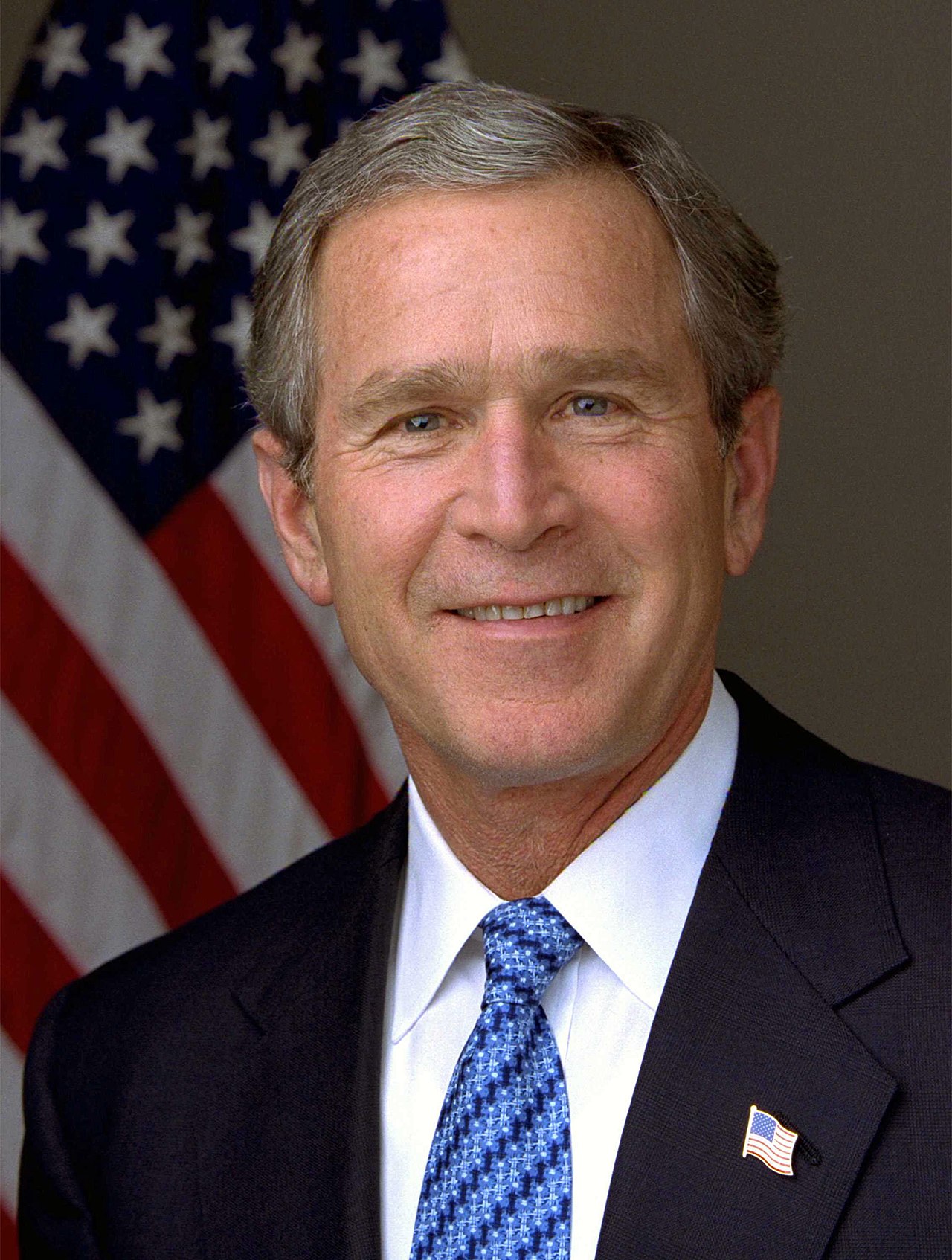



Career and principal roles
Powell combined military command and civilian roles. He served in the United States Army and advanced through active duty and staff positions, including service in Vietnam. In Washington he held several senior posts and became a national figure for his measured approach to the use of force and for emphasizing clear political objectives.
- National Security Advisor: Powell was National Security Advisor during the late 1980s, advising the President on foreign and defense matters in a period of Cold War transition (National Security Advisor).
- Chairman of the Joint Chiefs of Staff: He was the principal military adviser to the president and the only African American to serve in that role while overseeing U.S. military operations including coordination during the Gulf War.
- Secretary of State (2001–2005): Powell served as the 65th Secretary of State under George W. Bush, becoming the first African American in that cabinet post (Secretary of State).
- Senior general officer: In addition to staff responsibilities and combat assignments, he is often described in shorthand as a senior General who articulated practical guidelines for using U.S. military power.
Principles, influence and controversies
Powell was associated with what became known as the "Powell Doctrine": the view that military intervention should be used only when clear national interests are at stake, when there is a plausible exit strategy, and when overwhelming force can be applied to secure a decisive result. His cautious, disciplined reputation made him a respected figure across party lines. At the same time, his tenure included controversy. Most notably, his 2003 presentation to the United Nations about alleged weapons of mass destruction in Iraq was later judged to have relied on faulty intelligence; Powell publicly acknowledged shortcomings in the evidence and expressed regret about its role in building support for the Iraq War.
Honors, later life and legacy
Powell received numerous awards and international honors and remained an influential voice in debates over foreign policy, civil‑military relations, and public service. He was often noted for his efforts to promote diversity in the armed forces and for mentoring younger officers and diplomats. After leaving public office he spoke, wrote, and occasionally intervened in public affairs, endorsing candidates and causes reflective of his pragmatic outlook.
Colin Powell died in 2021. Reports indicated his death followed complications of illness while he was receiving medical care; his passing prompted reflections on a career that combined high command with diplomatic responsibilities and on the complexities of decision making at the highest levels of government. His life remains a subject of study for students of leadership, strategy, and American politics.
Notable facts
- Powell was the first African American Secretary of State and the first African American to serve as Chairman of the Joint Chiefs of Staff.
- His name is associated with a cautionary framework for when and how military force should be used (the Powell Doctrine).
- His public acknowledgement of flawed intelligence in the lead‑up to the Iraq War is often cited in discussions about accountability and the use of intelligence in policy decisions.
For more about his military career and public service, see profiles and analyses of his roles as service leader, national security adviser, and chief diplomat. Contemporary commentary and archival materials consider both his achievements and the controversies tied to major policy choices made while he held office (military biography, Gulf War period, administration years).
Questions and answers
Q: Who was Colin Luther Powell?
A: Colin Luther Powell was an American General in the United States Army and politician. He served as the 65th United States Secretary of State (2001-2005), under President George W. Bush, and was the first African American appointed to that position.
Q: What other positions did he hold?
A: In addition to being Secretary of State, Powell also served as National Security Advisor (1987–1989) and Chairman of the Joint Chiefs of Staff (1989–1993).
Q: When did he serve as Chairman of the Joint Chiefs of Staff?
A: Powell held this position during the Gulf War from 1989 to 1993.
Q: When was he born and when did he pass away?
A: Colin Luther Powell was born on April 5, 1937 and passed away on October 18, 2021.
Q: Was he ever awarded any honors or awards?
A: Yes, he was awarded KCB (Honorary), MSC for his service in the military.
Q: Was Colin Luther Powell the first African American to serve in a certain role?
A: Yes, he was the first African American appointed to be Secretary of State, National Security Advisor, and Chairman of the Joint Chiefs of Staff.
Related articles
Author
AlegsaOnline.com Colin Powell: U.S. General and Secretary of State Leandro Alegsa
URL: https://en.alegsaonline.com/art/116752
Sources
- biography.com : "Colin Powell Biography"
- aaregistry.com : The first African American secretary of state, Colin Powell
- defenselink.mil : Biographies - Colin Powell: United States Secretary of State
- britannica.com : Colin Powell
- news.bbc.co.uk : Profile: Colin Powell
- cnn.com : "Colin Powell Fast Facts"
- history.state.gov : "Biographies of the Secretaries of State: Colin L. Powell"
- achievement.org : "Colin Powell Biography"
- notablebiographies.com : "Colin Powell Biography"