
BioShock — atmospheric first-person shooter set in the underwater city of Rapture
BioShock is a 2007 first-person shooter with strong narrative, moral choice mechanics and horror atmosphere, set in the drowned, art-deco city of Rapture.
BioShock is a narrative-driven first-person shooter originally released in 2007, developed by Irrational Games and published by 2K Games. It blends shooting, resource management and light survival-horror elements with a strong emphasis on story and atmosphere. The game has been reissued in later remastered and ported editions for multiple platforms; see platform notes and editions for details below via the linked references.
Image gallery
10 Images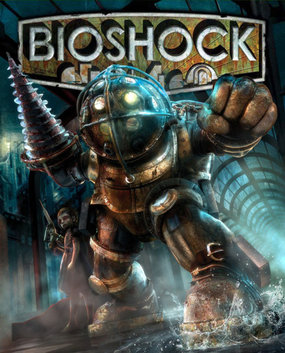




Setting and premise
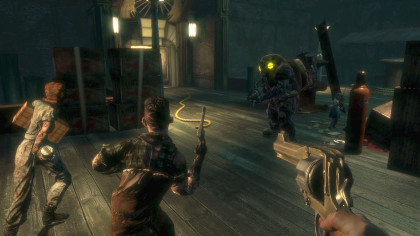
The game opens with the protagonist surviving a plane crash in the Atlantic and discovering a mysterious lighthouse that serves as an entry to Rapture, an underwater city built in secret as an extreme libertarian refuge. Rapture is presented as a decaying, art-deco metropolis where scientific hubris and social experiment gone wrong have created violent, mutated citizens called Splicers and other iconic inhabitants such as Little Sisters and Big Daddies. The atmosphere mixes 1940s–1960s aesthetics with grotesque biological modification.
Core gameplay and systems
BioShock combines conventional firearms with genetic modifications known as plasmids, which grant supernatural powers (fire, telekinesis, electricity, and more). Players scavenge for resources, choose upgrades, and decide how to treat non-player characters whose fate affects the ending. Environmental storytelling, collectible audio diaries and emergent combat encounters are central to the experience.
- Weapons and plasmids: mix-and-match combat and abilities.
- Resource management: currency, health, and crafting-style decisions.
- Moral choice: rescuing or harvesting certain characters influences outcomes.
- Exploration and audio logs: backstory revealed through the environment.
Origins, themes and influences
Led by designer Ken Levine, the development drew inspiration from philosophical and political ideas about individualism and utopian experiment, as well as mid-20th-century design and pulp fiction. The story critiques extreme ideologies through the downfall of Rapture and uses environmental detail to communicate character and history. For further reading on design and influences, see materials linked below.
Reception and legacy
Upon release BioShock received widespread praise for its writing, worldbuilding and atmosphere and helped popularize storytelling techniques in first-person games. It spawned sequels and a remastered edition and is often cited in discussions of interactive narrative, player choice, and the blending of shooter mechanics with immersive-sim elements. Critics and scholars also analyze it for its exploration of morality, power and utopia.
Further information and resources: genre and overview, game articles, console edition notes, PC edition details, PlayStation edition, Switch and later ports, setting origins, Rapture and lore, enemy types and mechanics.
Questions and answers
Q: What platforms is BioShock available on?
A: BioShock is available on Xbox 360, Windows, PlayStation 3, and Nintendo Switch video game consoles.
Q: How did the game receive critical reviews?
A: BioShock received very good reviews.
Q: What is the story of the game about?
A: The story follows a man who survives a plane crash in the Atlantic Ocean and finds a lighthouse that takes him to an underwater city called Rapture created by Andrew Ryan. This city is home to many violent creatures called Splicers who have become insane due to mutation.
Q: Who created Rapture?
A: Rapture was created by a man named Andrew Ryan.
Q: How did Splicers become violent?
A: Splicers became violent due to mutation.
Q: Where does the protagonist end up after surviving a plane crash in the Atlantic Ocean?
A: After surviving a plane crash in the Atlantic Ocean, the protagonist ends up at a lighthouse which takes him to an underwater city called Rapture.
Q: What type of video game is BioShock?
A: BioShock is a first person shooter/survival horror video game.
Related articles
Author
AlegsaOnline.com BioShock — atmospheric first-person shooter set in the underwater city of Rapture Leandro Alegsa
URL: https://en.alegsaonline.com/art/11671
Sources
- au.games.ign.com : "BioShock Demo Now Available on Xbox LIVE" · web.archive.org
- gamespot.com : "AU Shippin' Out August 20–24: BioShock, GRAW 2" · web.archive.org
- 2kgames.com : "2K Games Injects PlayStation 3 System Owners with Genetically Enhanced Version of BioShock"
- bit-tech.net : "BioShock Gameplay Review (page 2)"
- computerandvideogames.com : "Xbox Preview: BioShock"
- 2kgames.com : "What is Rapture?"
- shacknews.com : "Ken Levine on BioShock: The Spoiler Interview"
- xbox360.ign.com : "BioShock Review"
- au.pc.ign.com : "BioShock Review: Welcome to Rapture; at IGN"
- bioshock-online.com : "BioShock FAQs – What is the game about?"
- au.xbox360.ign.com : "BioShock"