
Claudette Colbert: Actress, Oscar Winner, and 1930s Screen Star
Overview of Claudette Colbert (1903–1996), her early life, stage and film career, signature roles including It Happened One Night, awards, style, and lasting influence on cinema.
Claudette Colbert (born Émilie Claudette Chauchoin; September 13, 1903 – July 30, 1996) was a French-born American actress celebrated for her versatility in both sophisticated comedies and sentimental dramas. With a poised on-screen manner, impeccable diction and a gift for comic timing, she became one of the leading box-office draws of Hollywood's classical era and is widely remembered for winning the Academy Award for Best Actress for her role in It Happened One Night.
Image gallery
10 Images
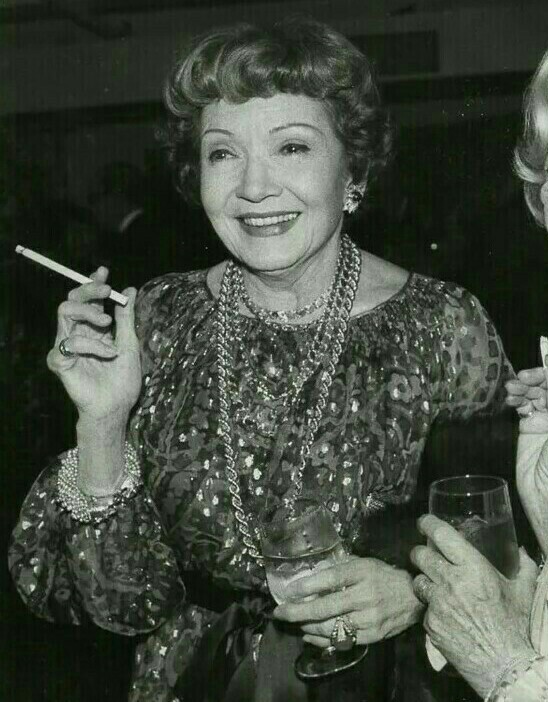


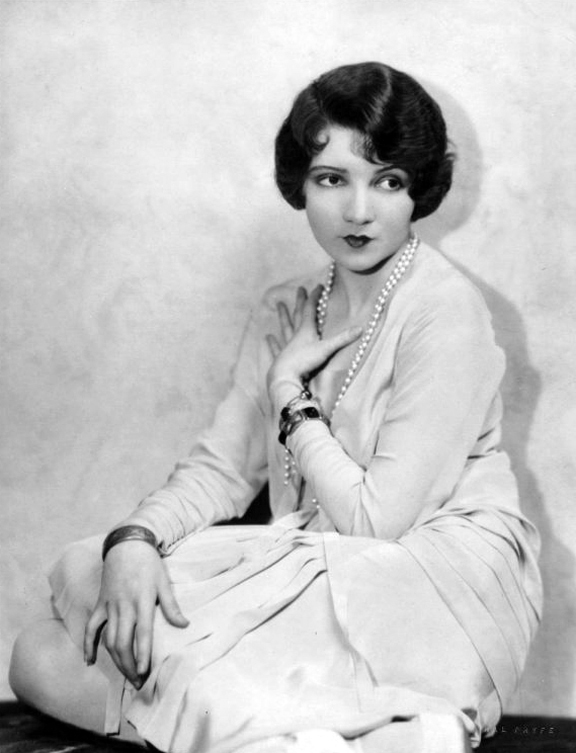
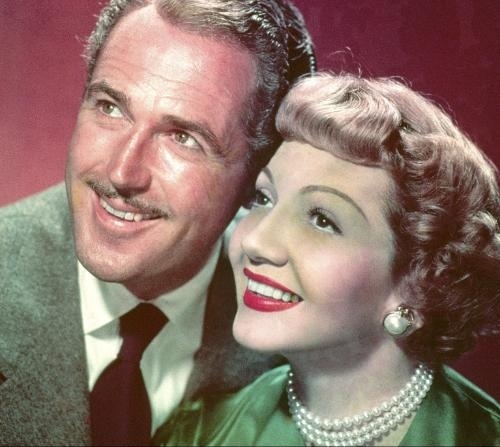

Early life and stage work
Colbert was born in France and raised in the United States from early childhood. She trained and began performing on the New York stage in the 1920s, where her work in Broadway productions established her as a polished and stylish performer. Her stage success attracted Hollywood interest and she began appearing in films in the early 1930s, bringing the stage-trained clarity and presence that soon became her trademark.
Film career and acting style
Throughout the 1930s and 1940s Colbert balanced comedies and dramas, often portraying urbane, intelligent women who combined wit with emotional depth. Directors valued her professionalism and her ability to carry both light romantic farce and serious melodrama. She worked with prominent filmmakers of the day and emerged as a dependable leading lady, known for a restrained glamour rather than overt flamboyance.
Notable films and recognition
- It Happened One Night (1934) – won the Academy Award for Best Actress and remains a landmark screwball romantic comedy directed by Frank Capra.
- Cleopatra (1934) – a lavish historical epic showcasing her capacity for dramatic lead roles under Cecil B. DeMille.
- Imitation of Life (1934) – a melodrama that demonstrated her range in emotionally charged material.
- Midnight (1939) – a sophisticated comedy highlighting her gift for timing and repartee.
Her popularity at the box office placed her among the era’s most bankable stars (box-office stars), and in 1999 the American Film Institute ranked her among the greatest female stars of classic American cinema (AFI's 100 Years...100 Stars).
Later career and legacy
After her peak years in film Colbert continued to work on stage, in television and in occasional film roles, choosing projects selectively. She is remembered for a refined screen persona that helped define the sophisticated leading lady of early Hollywood. Film historians and fans cite her Academy Award performance and the range of her 1930s output as key contributions to American cinema.
Colbert’s career remains a reference point for actors combining wit, poise and dramatic feeling. Her famous quip about audiences—reflecting mutual affection between performer and public—captures the rapport she maintained with moviegoers throughout a long and distinguished career.
Questions and answers
Q: Who was Claudette Colbert?
A: Claudette Colbert was an American actress who became one of the biggest box-office stars of her time.
Q: When was she born?
A: She was born on September 13, 1903.
Q: What type of films did she star in?
A: She starred in both light comedy and emotional drama films.
Q: How successful was she as an actress?
A: She became very successful and one of the biggest box-office stars of her time. In 1999, she was ranked as the 12th greatest female star of all time by the American Film Institute in their list AFI's 100 Years... 100 Stars.
Q: What did Colbert once say to an interviewer?
A: Colbert once said to an interviewer, "Audiences always sound like they're glad to see me, and I'm damned glad to see them."
Q: When did Claudette Colbert pass away?
A: She passed away on July 30, 1996.
Related articles
Author
AlegsaOnline.com Claudette Colbert: Actress, Oscar Winner, and 1930s Screen Star Leandro Alegsa
URL: https://en.alegsaonline.com/art/116651