
Clara Zetkin: German Marxist, Socialist Feminist and Organizer
Biography of Clara Zetkin (1857–1933), German Marxist activist, advocate for working-class women's rights, organizer of International Women’s Day, parliamentarian and editor, with overview of her life and legacy.
Overview
Clara Zetkin (born Clara Josephine Eissner; 5 July 1857 – 20 June 1933) was a prominent German socialist, Marxist theorist and advocate for women's rights. She combined political work inside socialist parties with journalism, public speaking and organizing aimed especially at working-class women. Zetkin is widely known for proposing the annual observance that developed into modern International Women's Day.
Image gallery
9 Images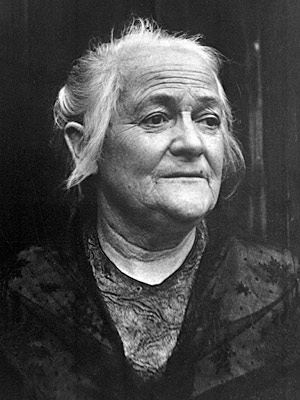


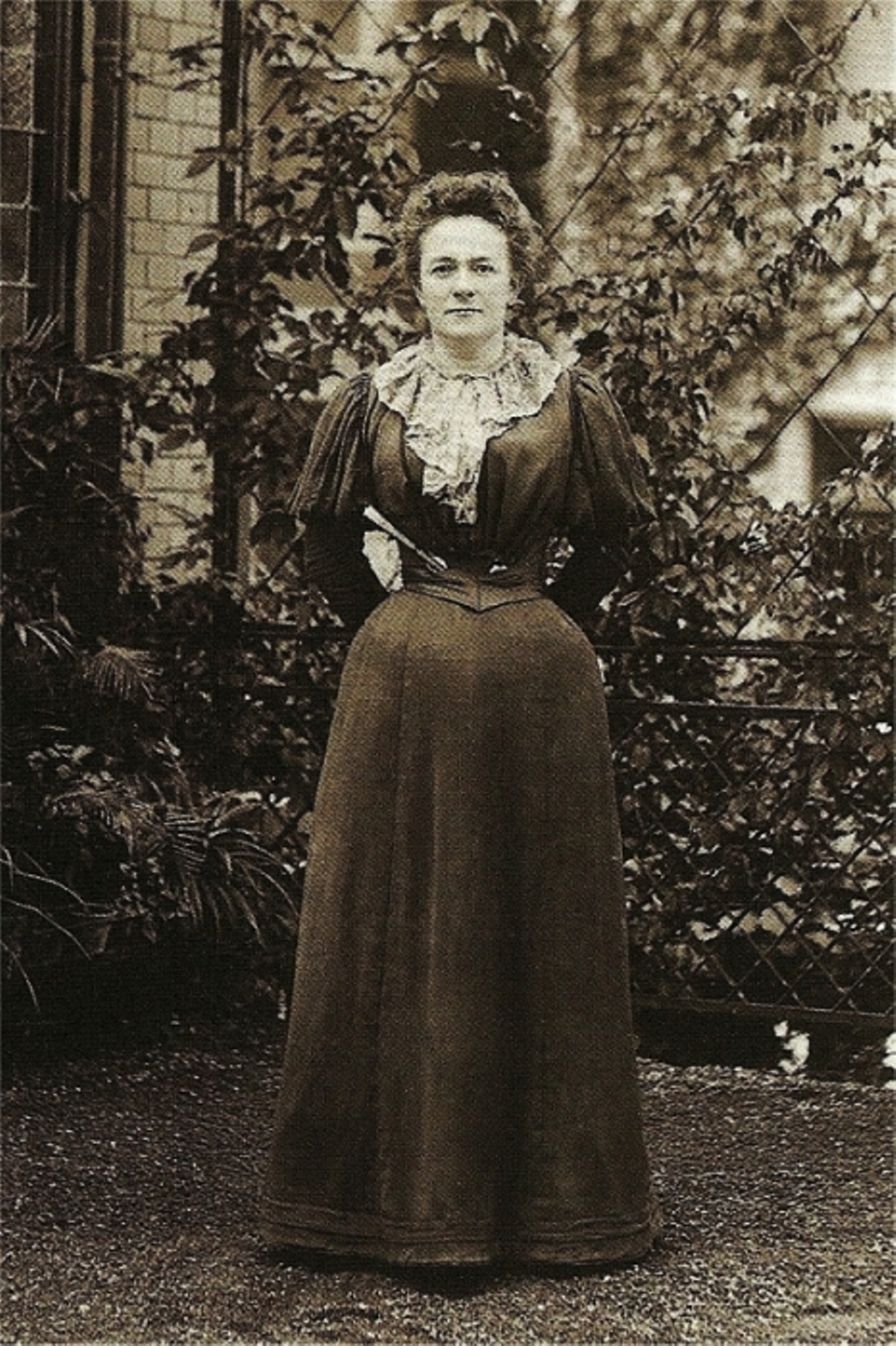


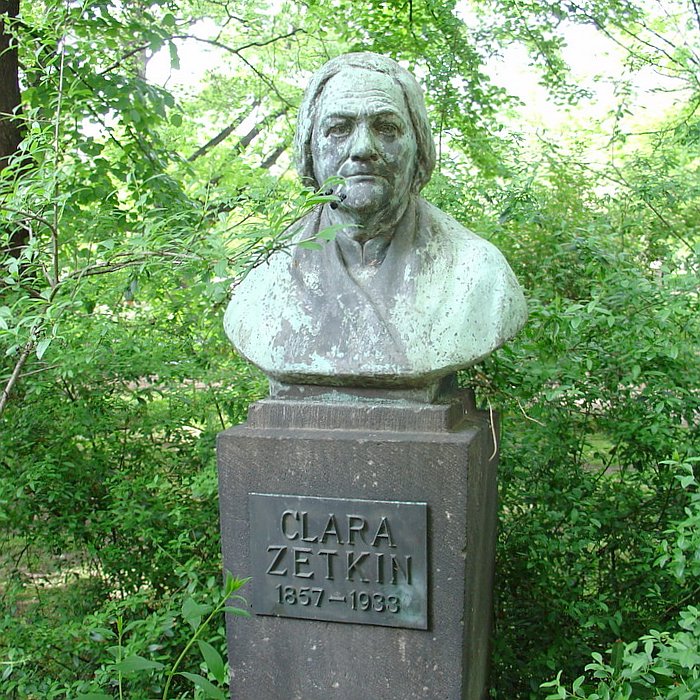

Early life and education
Zetkin was born in Wiederau in what was then the Kingdom of Saxony. She trained as a teacher at Leipzig's teachers' college for women and became active in local labour and women's circles while still a student. Early contact with socialist ideas drew her into the organised workers' movement; she joined the broader socialist movement in the late 19th century and soon combined teaching with political activism and publishing.
Political activity and journalism
Throughout her life Zetkin worked within successive formations of the German labour movement. She became known as a Marxist theorist and as an editor and writer. For many years she edited a socialist women's paper that sought to link women's issues to class struggle and to bring working women into party life and trade unions. During World War I she aligned with the anti-war wing of the socialist movement and associated with the Spartacus tendency led by figures such as Karl Liebknecht and Rosa Luxemburg, later becoming part of the Communist Party of Germany.
International Women's Day and feminism
At the 1910 International Socialist Women's Conference in Copenhagen, Zetkin proposed a coordinated day of protest and education for working women; that proposal laid the groundwork for the establishment of what is celebrated today as International Women's Day. Her approach to feminism was shaped by Marxist priorities: she emphasized social reforms, labour rights, maternity protections and the organisation of women in trade unions, and she critiqued forms of middle-class or liberal feminism that she felt ignored class inequalities.
Parliamentary work, exile and death
After the German Revolution of 1918–19, Zetkin held elected office as a member of the Reichstag, representing the Communist Party in the national assembly during the turbulent years of the Weimar Republic. She remained an outspoken critic of militarism and of right-wing forces in Germany. With the rise of the Nazi regime in 1933, many communists and socialists fled or were persecuted; Zetkin left Germany and spent her final months in the Soviet Union, where she died near Moscow on 20 June 1933 (Moscow).
Legacy and notable aspects
Zetkin's legacy is multi-faceted: she is remembered for linking women's emancipation to labour organising, for institutionalising annual recognition of women's struggles, and for her extensive work as an editor and parliamentary representative. Her long career made her both a symbol of socialist feminism and a contested figure because of her lifelong ties to communist politics during a period of violent ideological conflict in Europe.
Notable facts
- Early membership in the German socialist movement and later affiliation with the Communist Party.
- Association with the Spartacus League and collaboration with leading radicals of the era.
- Long-serving Reichstag deputy; her parliamentary career is documented in contemporary records of the Reichstag.
- Her international profile as a founder of the movement that produced International Women's Day endures as one of her most widely recognized achievements.
Zetkin remains a consequential figure for studies of socialism, feminist history and the labour movement. Her writings and speeches continue to be cited in discussions about the relationship between gender and class, and her life illustrates the challenges faced by activists working at the intersection of political ideology and social reform.
Questions and answers
Q: Who was Clara Josephine Zetkin?
A: Clara Josephine Zetkin was a German Marxist theorist and advocate for women's rights.
Q: Where was Clara Zetkin born and where did she train as a teacher?
A: Clara Zetkin was born in Wiederau, and she trained as a teacher at Leipzig Teachers College for Women.
Q: What movements did Clara Zetkin become involved in during her studies?
A: During her studies, Clara Zetkin became involved with the women's and labour movements.
Q: What political party did Clara Zetkin join in 1878?
A: Clara Zetkin joined the Socialist Workers' Party of Germany in 1878.
Q: What did Clara Zetkin propose in 1910?
A: In 1910, Clara Zetkin proposed the celebration of International Women's Day, which is celebrated today every 8 March.
Q: What organizations was Clara Zetkin a member of?
A: Clara Zetkin was a member of the Spartacus League with Karl Liebknecht and Rosa Luxemburg, and she was a member of the Reichstag from 1920 to 1933 for the Communist Party of Germany (KPD).
Q: Where did Clara Zetkin die?
A: Clara Zetkin died near Moscow.
Related articles
Author
AlegsaOnline.com Clara Zetkin: German Marxist, Socialist Feminist and Organizer Leandro Alegsa
URL: https://en.alegsaonline.com/art/116634