
Chun Doo-hwan: South Korean military leader and president (1980–1988)
Chun Doo-hwan (1931–2021) was a South Korean army officer who led a seizure of power in 1979–80, served as president from 1980–1988, and later faced trial, conviction and a controversial pardon.
Chun Doo-hwan (6 March 1931 – 23 November 2021) was a South Korean military officer who became an authoritarian head of state. He served as President of South Korea from 1980 to 1988. Chun's rule began after a period of political turmoil and is remembered for both rapid economic development and harsh measures against opposition.
Image gallery
8 Images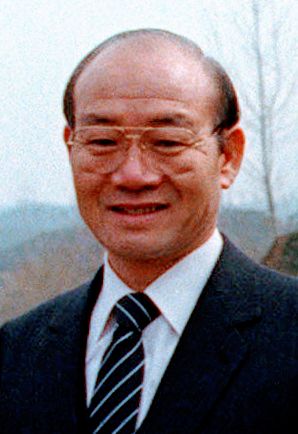
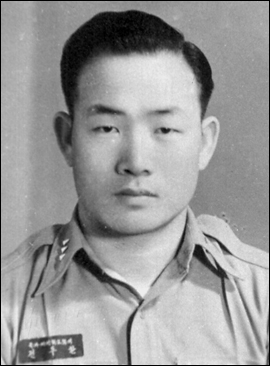


Early career and rise to power
Chun was a career army officer who rose through the armed forces during the Cold War era on the Korean peninsula. In the wake of President Park Chung-hee's assassination and the subsequent power vacuum, Chun took a central role in a sequence of military moves that consolidated power in late 1979 and early 1980. He extended martial law and used military authority to reshape the government and civil institutions.
Presidency and domestic policy
During his presidency Chun presided over continued industrialization and export-led growth, while maintaining a strong anti-communist posture in foreign policy. His government promoted infrastructural projects and prepared South Korea to host major international events, but critics emphasize the regime's limitations on political freedoms, censorship, and the suppression of dissent.
Controversies and the Gwangju uprising
Chun's seizure of power triggered widespread protest. The most notable and contested episode was the violent suppression of the Gwangju uprising in May 1980, when government troops moved against demonstrators. The event remains a focal point for assessments of Chun's rule, with survivors and scholars describing a brutal crackdown and long-lasting social and legal repercussions.
Trial, conviction and pardon
After leaving office and as South Korea democratized, Chun was prosecuted. He was convicted in the 1990s on charges related to the 1979–80 seizure of power and other abuses; in 1996 he was sentenced to death (a sentence later commuted). In a move that shocked many, he was pardoned in late 1997 by President Kim Young-sam, reportedly on the advice of then–president-elect Kim Dae-jung, who himself had been persecuted under Chun's regime.
Legacy and historical assessment
Chun Doo-hwan remains a deeply polarizing figure in modern Korean history. Supporters point to economic progress and stability during a turbulent decade; critics underline human rights abuses, curtailed democratic development, and unresolved demands for accountability and reparations by victims. Debates about his legacy continue in public discourse, memorials and legal efforts to address the past.
- Overview: military officer turned president
- Key events: 1979–80 power seizure, Gwangju suppression, presidency 1980–1988
- Aftermath: trial in the 1990s and a controversial pardon
Questions and answers
Q: Who was Chun Doo-hwan?
A: Chun Doo-hwan was a military officer and the President of South Korea from 1980 to 1988.
Q: When was Chun Doo-hwan sentenced to death?
A: Chun Doo-hwan was sentenced to death in 1996.
Q: Who pardoned Chun Doo-hwan?
A: President Kim Young-sam pardoned Chun Doo-hwan.
Q: When did President Kim Young-sam pardon Chun Doo-hwan?
A: President Kim Young-sam pardoned Chun Doo-hwan at some point in time after 1996.
Q: Why was Chun Doo-hwan pardoned?
A: Chun Doo-hwan was pardoned on the advice of then President-elect Kim Dae-jung.
Q: Who was sentenced to death by Chun Doo-hwan?
A: Kim Dae-jung was sentenced to death by Chun Doo-hwan some 20 years earlier.
Q: What was Chun Doo-hwan's occupation before becoming the President of South Korea?
A: Chun Doo-hwan was a military officer before becoming the President of South Korea.
Related articles
Author
AlegsaOnline.com Chun Doo-hwan: South Korean military leader and president (1980–1988) Leandro Alegsa
URL: https://en.alegsaonline.com/art/116597