
Bioluminescence: biological light production in nature
Bioluminescence is the biochemical production of visible light by living organisms. This article summarizes mechanisms, taxonomic distribution, ecological roles, evolutionary origins, and uses in research and technology.
Overview
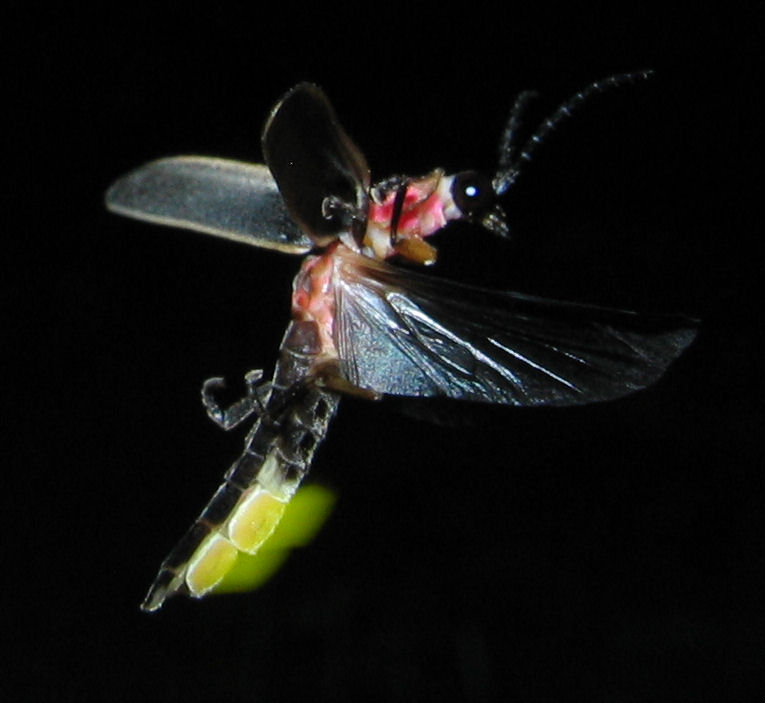
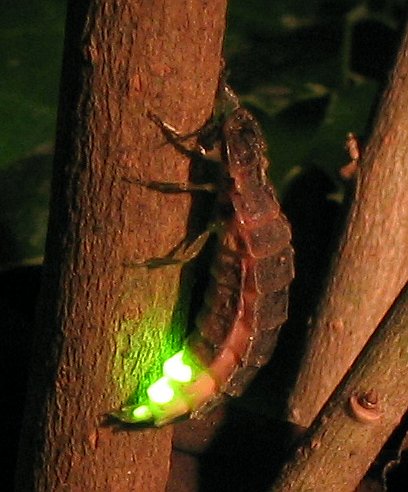
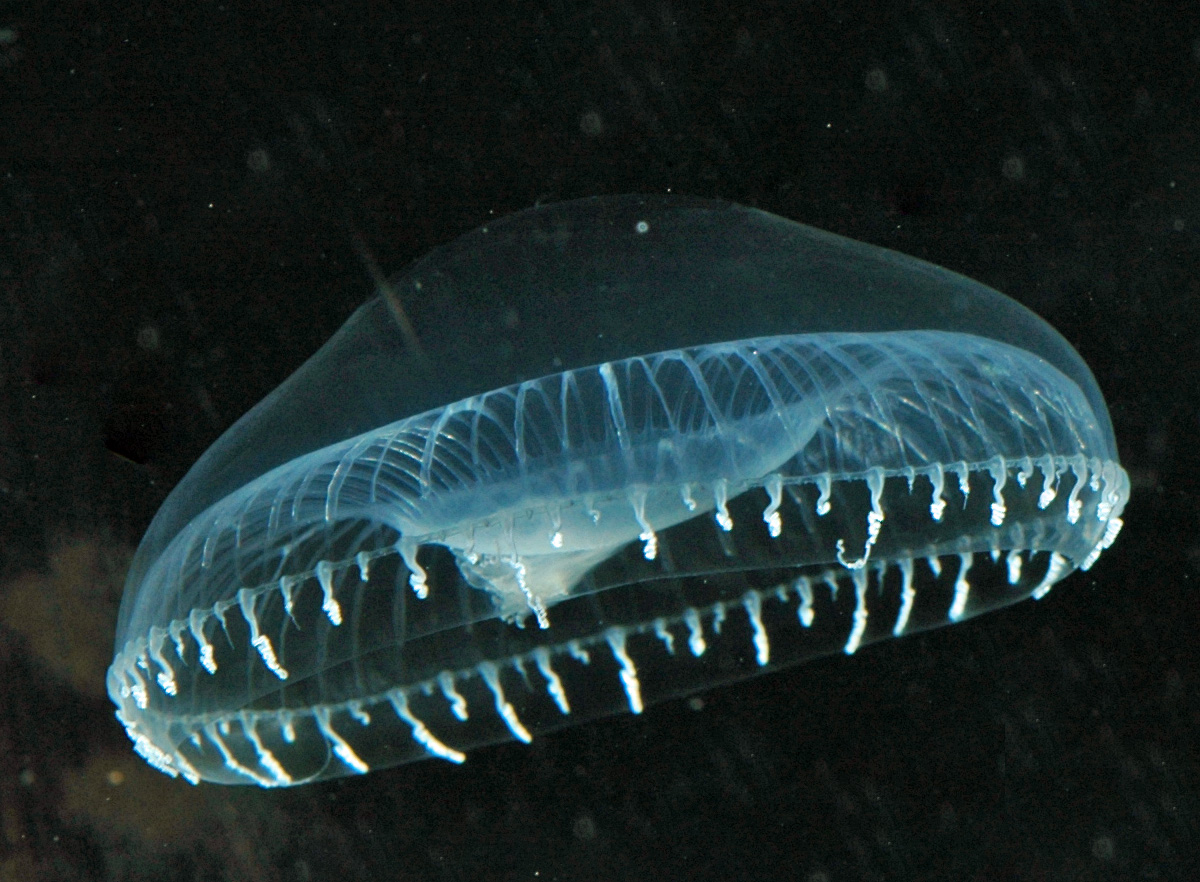
Bioluminescence is the production and emission of light by living organisms through chemical reactions. It occurs in many branches of life, from bacteria and single‑celled protists to fungi, insects and numerous marine animals. Light may be produced inside specialized cells or organs, or by symbiotic microorganisms housed within a host. The phenomenon is used in nature for a range of functions including predation, defense, communication and camouflage. For a concise introduction and general context see basic overview.
Image gallery
10 Images




Mechanism and chemistry
The light arises when a substrate commonly called luciferin is oxidized in a reaction catalyzed by an enzyme called luciferase, or when a photoprotein undergoes a light‑emitting chemical change. Reaction partners and cofactors vary: some systems require ATP, others use different cofactors or metal ions. Variations in luciferin structure and in the protein environment determine the color, intensity and duration of the emitted light. Detailed accounts of the chemical mechanisms are summarized in reviews of the reaction chemistry chemical mechanisms and in discussions of metabolic connections metabolic context.
In many animals the biochemical machinery is localized in specialized light organs called photophores or in dedicated luminous cells; descriptions of such organs appear in anatomical literature photophore anatomy. Other organisms rely on symbiotic luminous bacteria; background on microbial producers and host–microbe interactions is available microbial bioluminescence and in symbiosis studies symbiosis research. In some bacteria light production is encoded by multigenic systems such as the lux operon and is regulated in response to population density and environmental cues; see bacterial genetics lux operon studies.
Some eukaryotic cells compartmentalize components of the light reaction into organelles or specialized structures; comparative treatments of eukaryote and protist systems provide useful examples eukaryotic systems and protist examples. Oxygen often functions as the oxidant in bioluminescent reactions, and the involvement of oxygen in many systems is discussed in biochemical summaries oxygen and bioluminescence. The general idea that small amounts of photon emission accompany ordinary metabolism, and that bioluminescence represents an amplified extension of this background chemiluminescence, is treated in metabolic and evolutionary overviews metabolic background.
Types of luciferins and luciferases
There is no single luciferin shared by all luminous organisms. Different groups use chemically distinct luciferins and non‑homologous enzymes, so bioluminescence has multiple biochemical solutions. For example, the luciferins of fireflies, certain marine copepods, and some dinoflagellates are chemically unrelated. Differences in protein structure and in the microenvironment around the light‑emitting intermediate explain why species produce different colors and flash patterns. Comparative biochemical surveys and taxon‑specific reviews discuss these molecular differences in more depth comparative organellar and protein studies.
Distribution and ecological roles
Bioluminescence is especially prevalent in the ocean, where it appears in many invertebrate and fish lineages and serves multiple ecological functions. On land, familiar examples include fireflies whose flashes mediate mating signals, and certain fungi that may use glow to attract insects that disperse spores. Principal ecological uses of light are:
- Predation: lures or illumination to attract or detect prey.
- Defense: startling displays, diversionary flashes, or release of luminous fluid to confuse predators.
- Communication: signaling between conspecifics for mating or aggregation.
- Camouflage: counterillumination, where ventral light matches background light to reduce silhouette.
Many marine organisms combine behavioral control with physiological mechanisms to modulate intensity and timing of light output. Symbiotic partnerships, where hosts provide habitat and bacteria provide light, are important in numerous fishes and cephalopods; further reading on symbioses can be found here and on host organs at photophore anatomy.
Evolutionary origins
Bioluminescence has evolved independently many times across the tree of life. Because different biochemical systems underlie similar light‑emitting functions, evolution appears to have produced multiple solutions to comparable ecological pressures. Hypotheses about early roles for light production include functions related to signaling and to chemical detoxification, such as removing reactive oxygen; broader evolutionary discussions appear in reviews and phylogenetic studies evolutionary perspectives.
Human uses and research
Researchers have adapted luciferases and related proteins as tools in biology and medicine: they act as reporters of gene expression, enable sensitive imaging of cells and tissues, and power assays that detect small amounts of biological material. These applications are summarized in applied research reviews biomedical and technological applications. Ongoing work explores natural diversity of luciferins, engineering of brighter or differently colored enzymes, biosensing applications and ecological studies that clarify why luminous traits are favored in particular habitats.
Further resources
For more detailed treatments consult taxon‑specific reviews, biochemical surveys and databases on marine bioluminescence and microbial light production. Introductory and specialized resources include overviews of the chemistry chemical mechanisms, descriptions of metabolic links metabolic context, and comparative studies of proteins and organelles protein and organelle research. For basic descriptions of microbial and symbiotic systems see microbial bioluminescence and bacterial genetics.
Questions and answers
Q: What is bioluminescence?
A: Bioluminescence is the production of light by living things.
Q: How does bioluminescence work?
A: Bioluminescence works through chemical processes, where the energy produced is released as visible light.
Q: What organisms produce bioluminescent light?
A: Eukaryote protists have special organelles that produce bioluminescent light, and some bacteria also produce this type of light.
Q: Where did the capacity to produce bioluminescent light come from?
A: The capacity to produce bioluminecsent light is an extension of normal metabolism; all chemical reactions naturally produce a few photons, and when photon production increases, visible light can be seen.
Q: What was the original function of producing bioluminenscent light in bacteria?
A: The original function of producing bioluminenscent light in bacteria was likely to detoxify excessive oxygen.
Q: What are luciferin and luciferase?
A: Luciferin and luciferase are components involved in the reaction between ATP (adenosine tri-phosphate) and oxygen that produces a highly chemiluminescent (brightly shining) compound.
Related articles
Author
AlegsaOnline.com Bioluminescence: biological light production in nature Leandro Alegsa
URL: https://en.alegsaonline.com/art/11655
Sources
- lifesci.ucsb.edu : Steven Haddock's Bioluminescence web page
- lifesci.ucsb.edu : lifesci.ucsb.edu/~biolum/functions.html
- ncbi.nlm.nih.gov : PMID 1251214
- bbc.co.uk : bbc.co.uk/news/science-environment-21144766
- joyofplants.com : Geophilus carpophagus – a centipede – Family: Geophilidae
- herper.com : Myriapods: strange millipedes
- livescience.com : "Glow-in-the-dark mushrooms discovered"
- biobay.com : "Interpretive eco-tours of the world's brightest glowing bay!"