
Chiang Kai-shek (1887–1975): Chinese nationalist leader and head of the Republic of China
Overview of Chiang Kai-shek: early life, rise in the Kuomintang, wartime leadership, civil war and retreat to Taiwan, authoritarian rule and legacy in modern China and Taiwan.
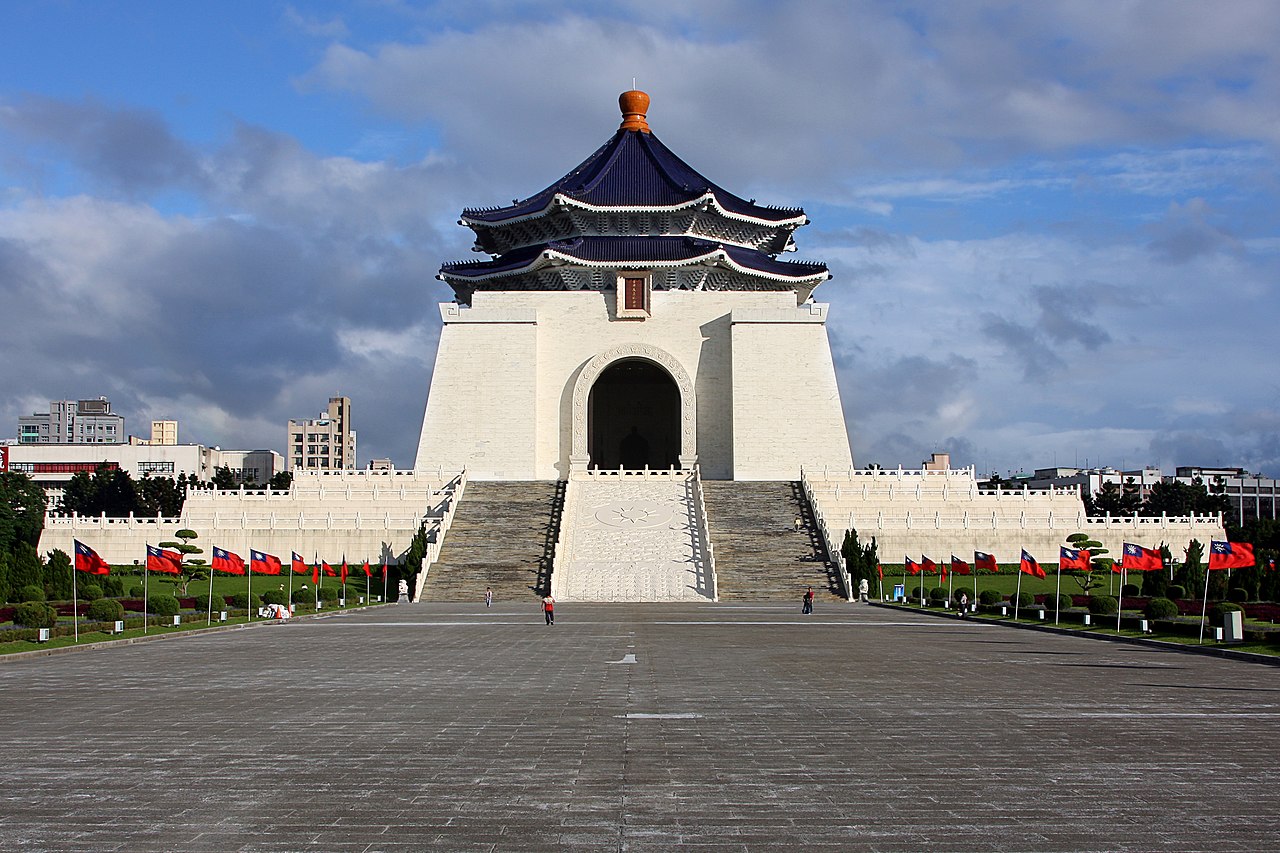
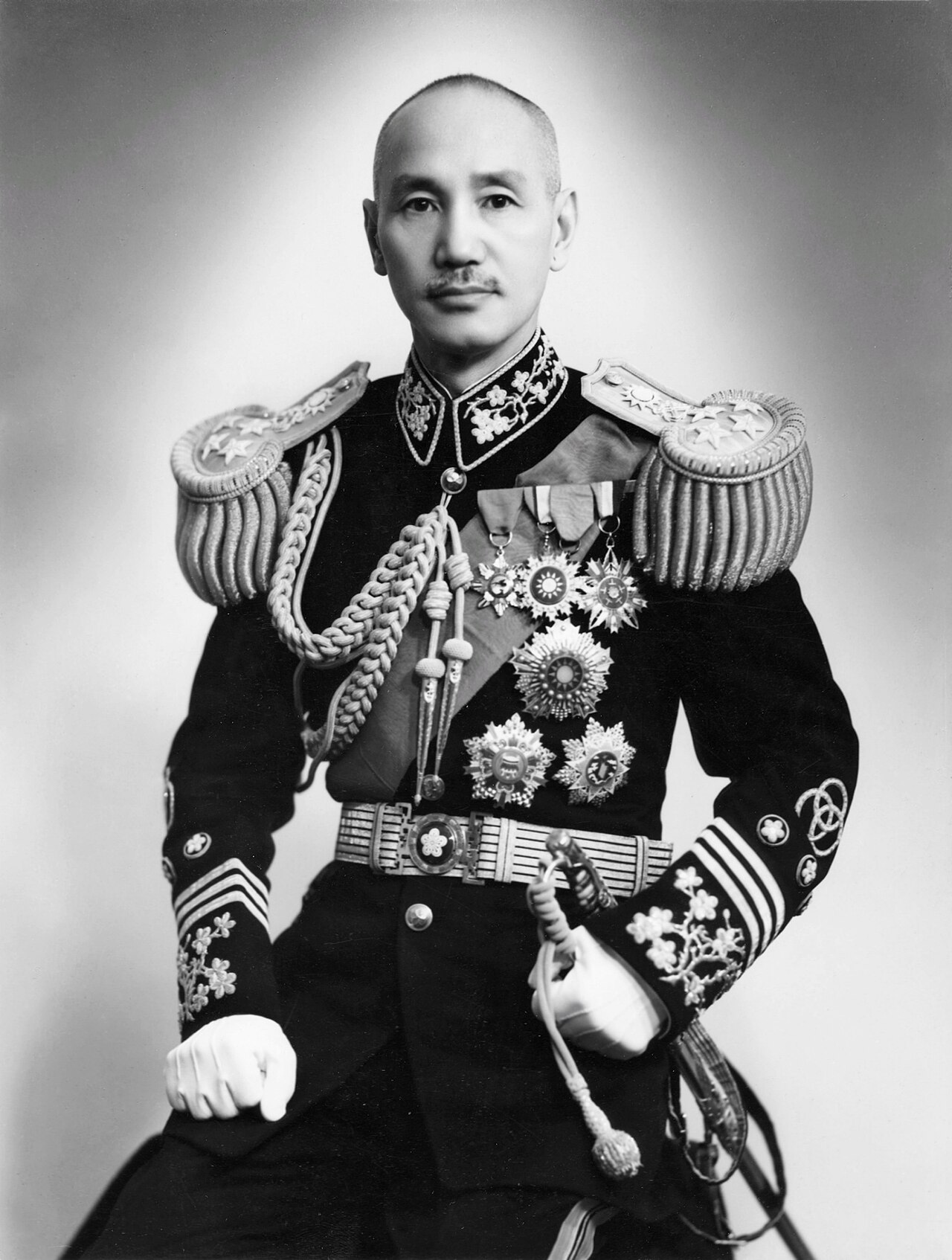
Chiang Kai-shek was a leading Chinese political and military figure of the 20th century who headed the Nationalist government that called itself the Republic of China. Born in Xikou in 1887, he trained as a military officer and rose through revolutionary and party ranks to become the dominant leader of the Kuomintang (KMT). His career spanned service in the late Qing armed forces, participation in the republican revolution that ended imperial rule, decades of struggle against domestic rivals and foreign invaders, and final stewardship of the Nationalist government in Taiwan after 1949.
Image gallery
10 Images




Early life and rise to power
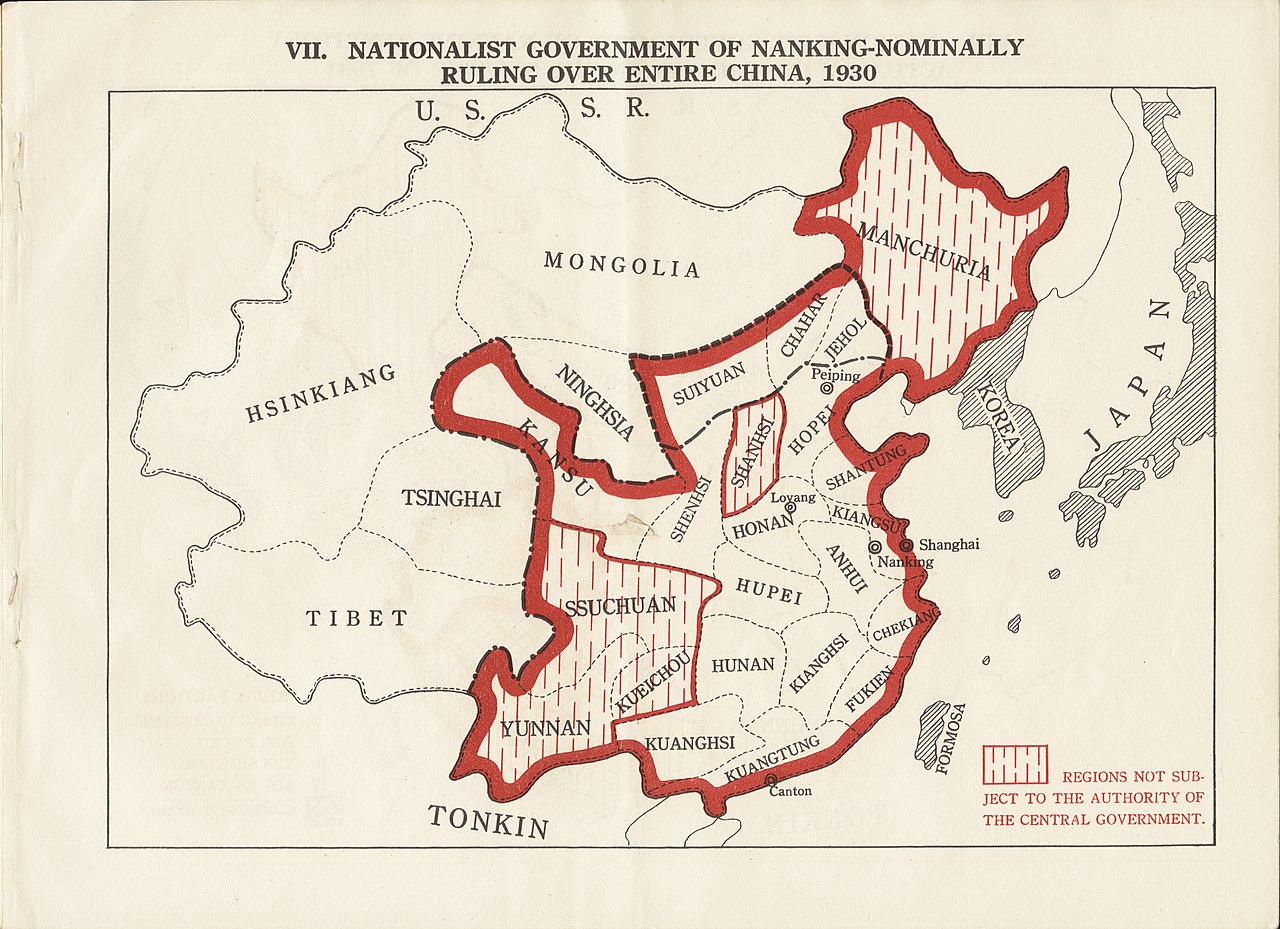
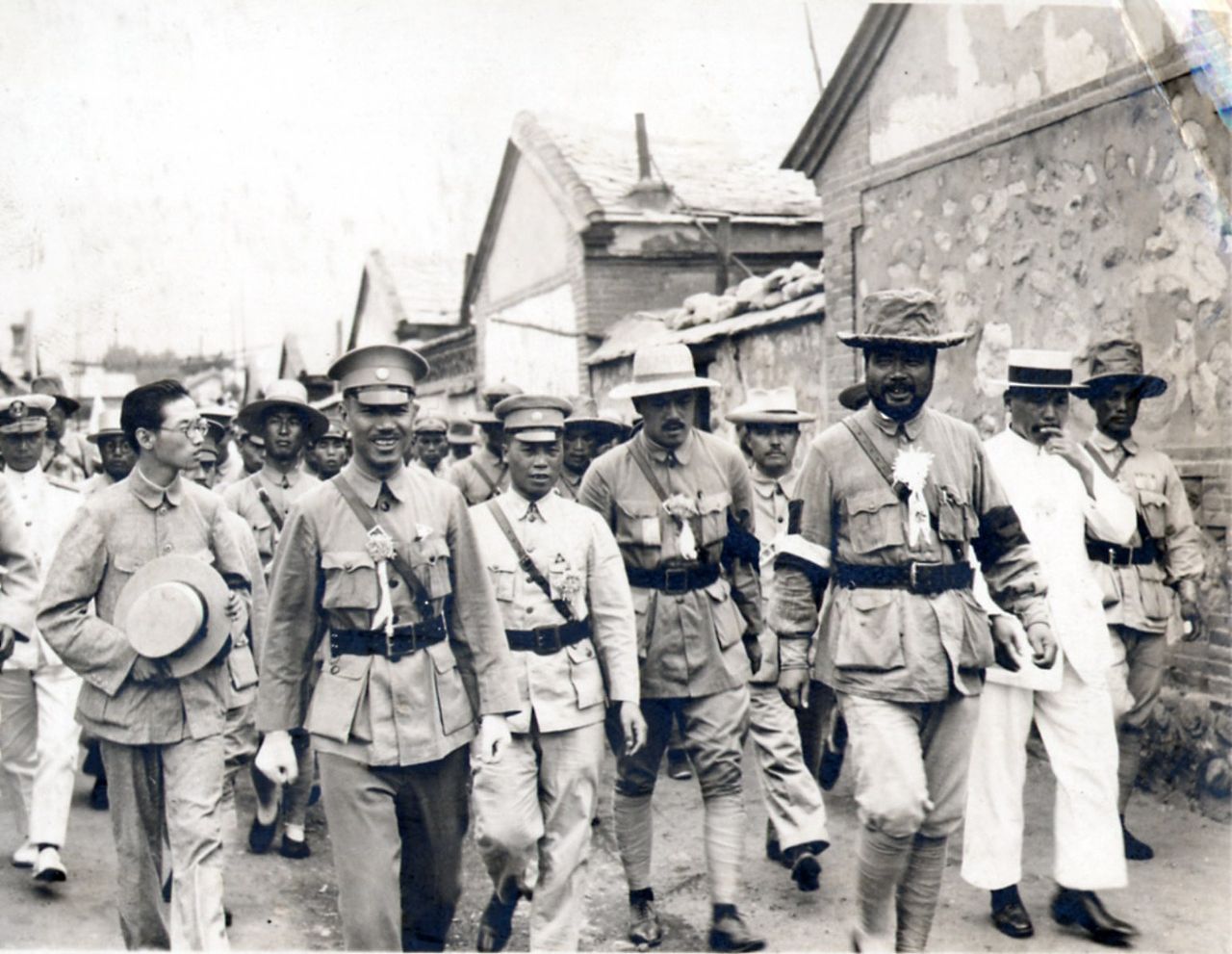
Chiang came from a merchant family; his father worked in trade and died when Chiang was a child, shaping an upbringing marked by modest means and early responsibility. He received military training and was among the younger generation of officers who embraced republican and nationalist ideas in the wake of the 1911 Xinhai Revolution. Chiang aligned with the movement around Sun Yat-sen and gradually built influence within the KMT, combining organizational skill with a reputation for discipline and loyalty. Over the 1920s he played a central role in KMT campaigns to unify much of China under Nationalist rule.
Leadership, war and civil conflict
Chiang was both a political head and a military commander. He led the Nationalist government through a turbulent era that included a prolonged struggle with the Chinese Communist Party, the Japanese invasion and occupation in the 1930s and 1940s, and the resumption of civil war after World War II. He is often remembered for his anti-communist stance and for directing Nationalist forces in the conflict that ultimately ended with the Communist victory on the mainland. That confrontation is commonly referred to as the Chinese Civil War, in which the Communist leadership under Mao Zedong consolidated control over most of mainland China.
Following major military setbacks and loss of territory, Chiang and many KMT officials and supporters relocated to Taiwan, where the Nationalist government continued to operate as the internationally recognized Republic of China for a period. In exile the government retained its republican institutions while adopting strict political controls to maintain order and to prepare for a hoped-for return to the mainland.
Rule in Taiwan and governance
In Taiwan Chiang established an authoritative administration centered on national security and economic stabilization. He is credited by some historians with initiating land reform measures and infrastructure programs that helped lay the foundation for later economic growth, while critics emphasize his suppression of political dissent, incidents of harsh security measures, and concentration of power. During his years in power, Chiang continued to present the KMT as the legitimate government of all China and maintained strong relationships with Western governments at various times during the Cold War era.
Legacy and historical assessment
Assessments of Chiang's long career are mixed. He is remembered as a committed nationalist who fought both internal and external threats to his vision of China, and as an administrator who presided over Taiwan during a formative period. At the same time, his leadership drew criticism for authoritarian practices, instances of corruption within the Nationalist government, and military failures on the mainland. His life and decisions remain central topics in studies of modern Chinese history, cross‑Strait relations, and Cold War politics.
- Major periods: early military career and revolutionary activity; rise of the KMT and wartime leadership; retreat to Taiwan and decades of rule.
- Controversies: anti-communist campaigns, emergency measures and political repression, uneven military record.
- Notable connections: association with Sun Yat-sen's movement, rivalry with Mao Zedong, role in the Chinese Civil War, governance of the Taiwan-based Republic of China.
For further reading on specific events, campaigns and later political developments, consult dedicated biographies and comprehensive histories that examine Chiang's complex role in 20th-century East Asia and his enduring influence on both mainland China and Taiwan. Additional archival materials and analyses are available through academic and public resources listed at primary source collections, military histories (army records and studies) and national archives or institutional repositories (governmental, scholarly, thematic, regional).
Questions and answers
Q: Who was Chiang Kai-shek?
A: Chiang Kai-shek was a Chinese nationalist politician and military leader who was President of the Republic of China.
Q: Where was Chiang Kai-shek born?
A: Chiang Kai-shek was born in Xikou, China.
Q: When was Chiang Kai-shek born?
A: Chiang Kai-shek was born on October 31, 1887.
Q: What was Chiang Kai-shek's father's occupation?
A: Chiang Kai-shek's father was a merchant.
Q: In which army did Chiang Kai-shek serve as an officer?
A: Chiang Kai-shek served as an officer in the army of the Manchu empire.
Q: When did Chiang Kai-shek become the leader of the Republic of China?
A: Chiang Kai-shek led the Republic of China from 1930 to 1949 on mainland China.
Q: Where did Chiang Kai-shek flee after Mao Zedong overthrew him?
A: Chiang Kai-shek fled to Taiwan where he ruled from 1950 until his death in 1975, although his government was still officially called the Republic of China.
Related articles
Author
AlegsaOnline.com Chiang Kai-shek (1887–1975): Chinese nationalist leader and head of the Republic of China Leandro Alegsa
URL: https://en.alegsaonline.com/art/116347
Sources
- books.google.com : The last empress: Madame Chiang Kai-Shek and the birth of modern China
- history.com : "Chiang Kai-shek - Facts & Summary - HISTORY.com"
- britannica.com : "Chiang Kai-shek | Chinese statesman"