
Charlie Gard: British infant at centre of a 2017 medical ethics and legal dispute
Charlie Gard (2016–2017) was a British infant with mitochondrial DNA depletion syndrome whose case prompted international legal, ethical and public debate over experimental treatment and end-of-life decisions.
Charlie Gard (4 August 2016 – 28 July 2017) was a baby born in London who attracted widespread attention when his family and clinicians disagreed about continuing life-support and pursuing an experimental treatment. Charlie suffered from a rare, progressive genetic disorder that severely damaged his muscles and brain, leaving him unable to breathe unaided and with very limited neurological function.
Image gallery
2 Images
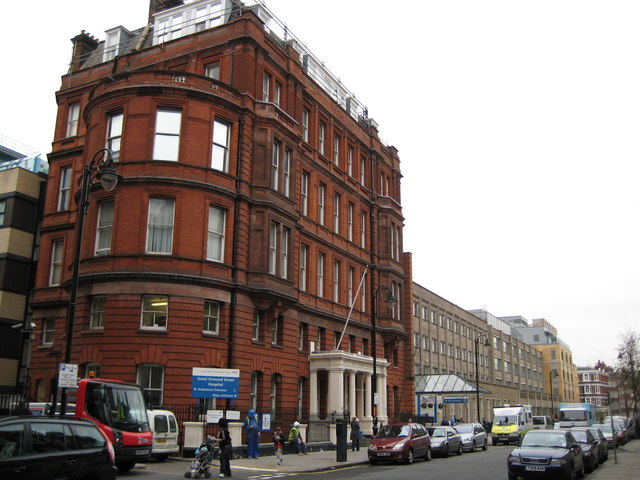
Medical background
Charlie was diagnosed with a form of mitochondrial DNA depletion syndrome, a group of inherited conditions in which cells progressively lose mitochondrial DNA and cannot produce enough energy for normal function. These disorders typically cause muscle weakness, neurological decline and organ failure. There is no established cure; some experimental approaches, including nucleoside therapies, had been explored in research settings. For general information, see mitochondrial DNA depletion syndrome.
Legal and ethical dispute
When clinicians at the treating hospital judged that further invasive treatment would not improve Charlie’s condition and might prolong suffering, his parents sought to transfer him to another centre to try an experimental therapy. The disagreement led to a sequence of court hearings in the United Kingdom and appeals to higher courts and the European Court of Human Rights. Judges were asked to decide what course would be in the child’s best interests, balancing the parents’ wishes, the medical evidence about likely outcomes, and established standards for withdrawing life-sustaining treatment.
The case became highly public and emotional. Fundraising campaigns were launched to pay for possible treatment abroad, and the dispute drew statements of support and comment from public figures. Medical teams, bioethicists and legal experts debated the limits of parental decision-making, the role of courts in medical disagreements, and how to evaluate experimental interventions for severely ill children.
Outcome and legacy
After a series of legal rulings upheld the hospital’s view that further invasive treatment was not in Charlie’s best interests, life-sustaining ventilation was withdrawn and he received palliative care. Charlie died in July 2017. The case prompted ongoing discussion about clinical decision-making, family rights, and how health systems manage requests for unproven therapies. It also highlighted the emotional complexity of end-of-life care in paediatrics and the safeguards used by courts when evaluating disputes between parents and clinicians.
Key facts
- Born: 4 August 2016; Died: 28 July 2017.
- Condition: a mitochondrial DNA depletion syndrome causing progressive neurological and respiratory failure.
- Dispute involved parents, treating clinicians, UK courts and the European Court of Human Rights.
- Raised wide public debate over experimental therapies, parental rights and best-interest determinations.
Related articles
Author
AlegsaOnline.com Charlie Gard: British infant at centre of a 2017 medical ethics and legal dispute Leandro Alegsa
URL: https://en.alegsaonline.com/art/116272
Sources
- theguardian.com : "Charlie Gard has died, his parents say"