
Charles Sturt: British Army officer and Australian inland explorer
Charles Sturt (1795–1869) was a British Army officer and explorer of inland Australia, noted for mapping the Murray, Murrumbidgee and Darling rivers and for expeditions that searched for an inland sea.
Charles Sturt (28 April 1795 – 16 June 1869) was a British Army officer who became one of the most prominent early explorers of the Australian interior. Over several expeditions he mapped and described major river systems and attempted to penetrate the arid heart of the continent in search of a hypothesised inland sea.
Image gallery
10 Images




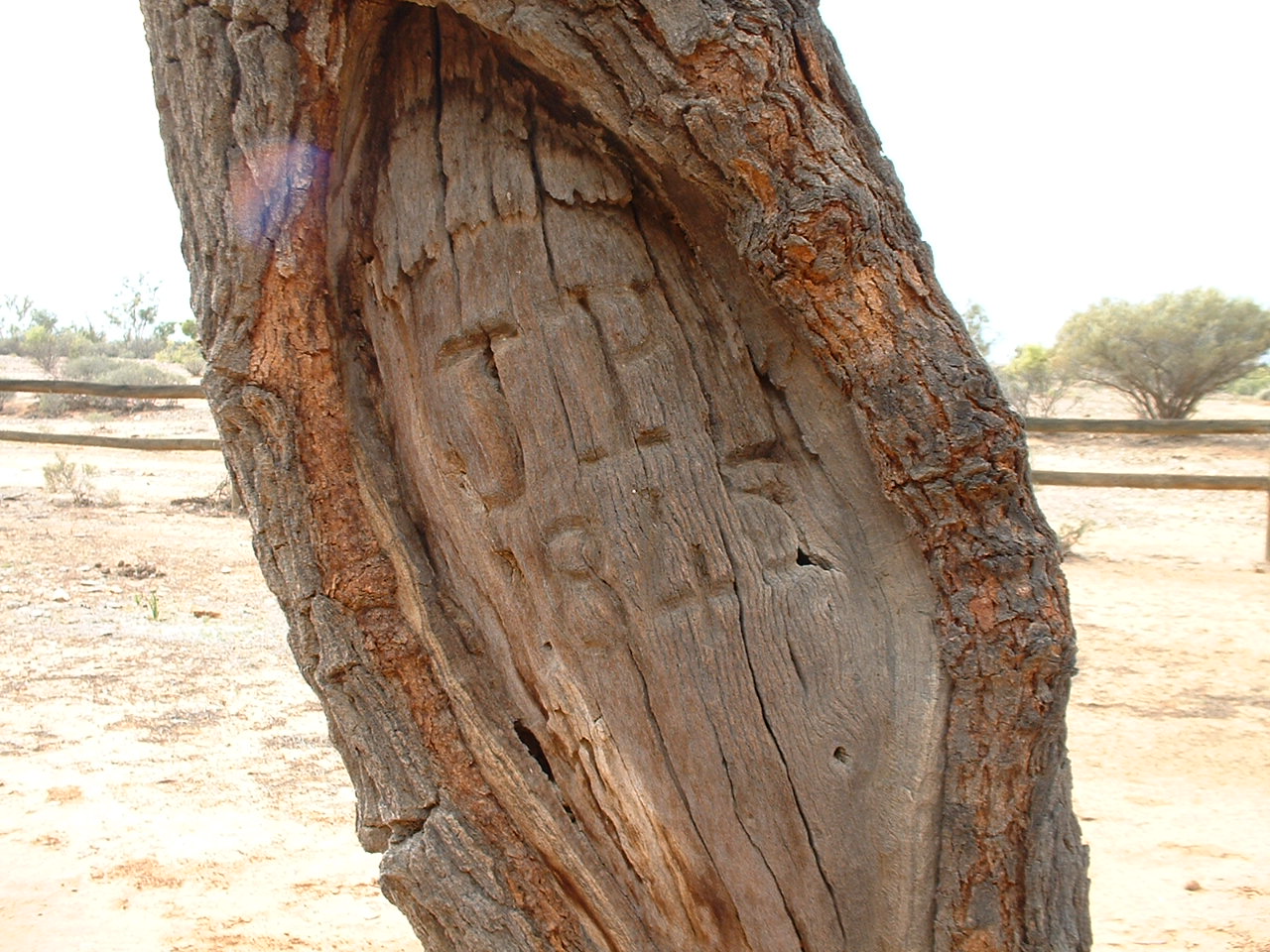


Early life and career
Sturt trained and served as an officer in the British Army, a background that influenced his methodical approach to exploration. During his time in the colonies he took on surveying and reconnaissance tasks that introduced him to the geography of southeastern Australia and to the practical challenges of long-distance travel across unfamiliar, often dry country.
Major expeditions
In a series of journeys in the late 1820s and 1830s Sturt followed river systems from their upper reaches toward the coast. He established the connections between the Murray, the Murrumbidgee and the Darling and documented their courses, surrounding landscapes and Indigenous settlements. His reports and maps helped colonial authorities and settlers better understand water resources in Australia and clarified how these rivers interrelated across broad regions.
Sturt also undertook longer, more ambitious inland trips. One of his best-known efforts was a prolonged central expedition aimed at resolving whether an inland sea existed where charts and speculation suggested there might be continuous lakes and marshes. Traveling by boat where possible and on foot or with pack animals where not, he and his party endured harsh conditions, demonstrating both the limits and the possibilities of exploration in arid zones.
Legacy and significance
Sturt's observations influenced settlement patterns by identifying navigable waterways and clarifying the geography of river basins. His maps and journals provided information used by later surveyors, pastoralists and scientists. While he did not find an inland sea, his expeditions corrected misconceptions and contributed to a more accurate picture of Australia's interior.
- Practical contributions: detailed river surveys and maps that aided navigation and settlement.
- Scientific value: natural history notes, meteorological observations and ethnographic remarks recorded during journeys.
- Enduring recognition: many Australian places and features bear names associated with Sturt or his journeys.
Sturt combined disciplined planning with adaptability to local conditions, leaving a legacy as a careful chronicler of the Australian landscape during a formative period of colonial exploration.
Questions and answers
Q: Who was Charles Sturt?
A: Charles Sturt was a British Army officer who explored Australia.
Q: What did Charles Sturt do in Australia?
A: Charles Sturt described three rivers in Australia: the Murray, the Murrumbidgee, and the Darling. He also searched for an inland sea in the desert areas.
Q: When was Charles Sturt born and when did he die?
A: Charles Sturt was born on April 28, 1795, and he died on June 16, 1869.
Q: Why did Charles Sturt explore Australia?
A: Charles Sturt explored Australia to discover new lands and bodies of water.
Q: What were the rivers that Charles Sturt described?
A: Charles Sturt described the Murray, the Murrumbidgee, and the Darling Rivers.
Q: Did Charles Sturt find the inland sea that he was looking for?
A: No, Charles Sturt did not find the inland sea that he was looking for.
Q: What is Charles Sturt known for?
A: Charles Sturt is known for his exploration of Australia and his descriptions of the Murray, Murrumbidgee, and Darling Rivers.
Related articles
Author
AlegsaOnline.com Charles Sturt: British Army officer and Australian inland explorer Leandro Alegsa
URL: https://en.alegsaonline.com/art/116241
Sources
- nndb.com : "Charles Sturt"
- freeread.com.au : "Two Expeditions into the Interior of Southern Australia"
- pacificislandtravel.com : "Charles Sturt, Explorer to the Pacific Region"
- samemory.sa.gov.au : "Taking it to the Edge: Land: Charles Sturt"
- theage.com.au : "Milparinka"
- speedace.info : "John McDouall Stuart and the World Solar Challenge"
- outbacknsw.com.au : "Broken Hill to Innamincka"
- freeread.com.au : Narrative of an Expedition into Central Australia
- anbg.gov.au : "Floral Emblem of South Australia"
- anbg.gov.au : "Floral Emblem of Northern Territory"
- ozroads.com.au : "Ozroads: National Highway 20"
- csu.edu.au : "Charles Sturt University Site Map"
- outbacknsw.com.au : "Sturt National Park"
- en.wikisource.orgTwo_expeditions_into_the_interior_of_Southern_Australia.html : Two Expeditions into the Interior of Southern Australia, 1828 — 1831