
Caravaggio: life, style, and influence of a Baroque innovator
Italian painter Michelangelo Merisi da Caravaggio (1571–1610), noted for dramatic lighting and naturalistic realism, revolutionized early Baroque painting and influenced generations of artists.
Overview
Michelangelo Merisi da Caravaggio (1571–1610) was an Italian painter whose work helped define the early Baroque era. Active chiefly between the 1590s and 1610, he worked in major artistic centers including Rome, Naples, Malta and Sicily. Biographical summaries often stress both his artistic breakthroughs and his turbulent personal life; for concise background see a standard biography or overview of the artist’s practice and circle (painter’s life). He achieved rapid fame for paintings that presented religious and mythological subjects with an unprecedented immediacy and psychological intensity.
Image gallery
10 Images





Style and artistic approach
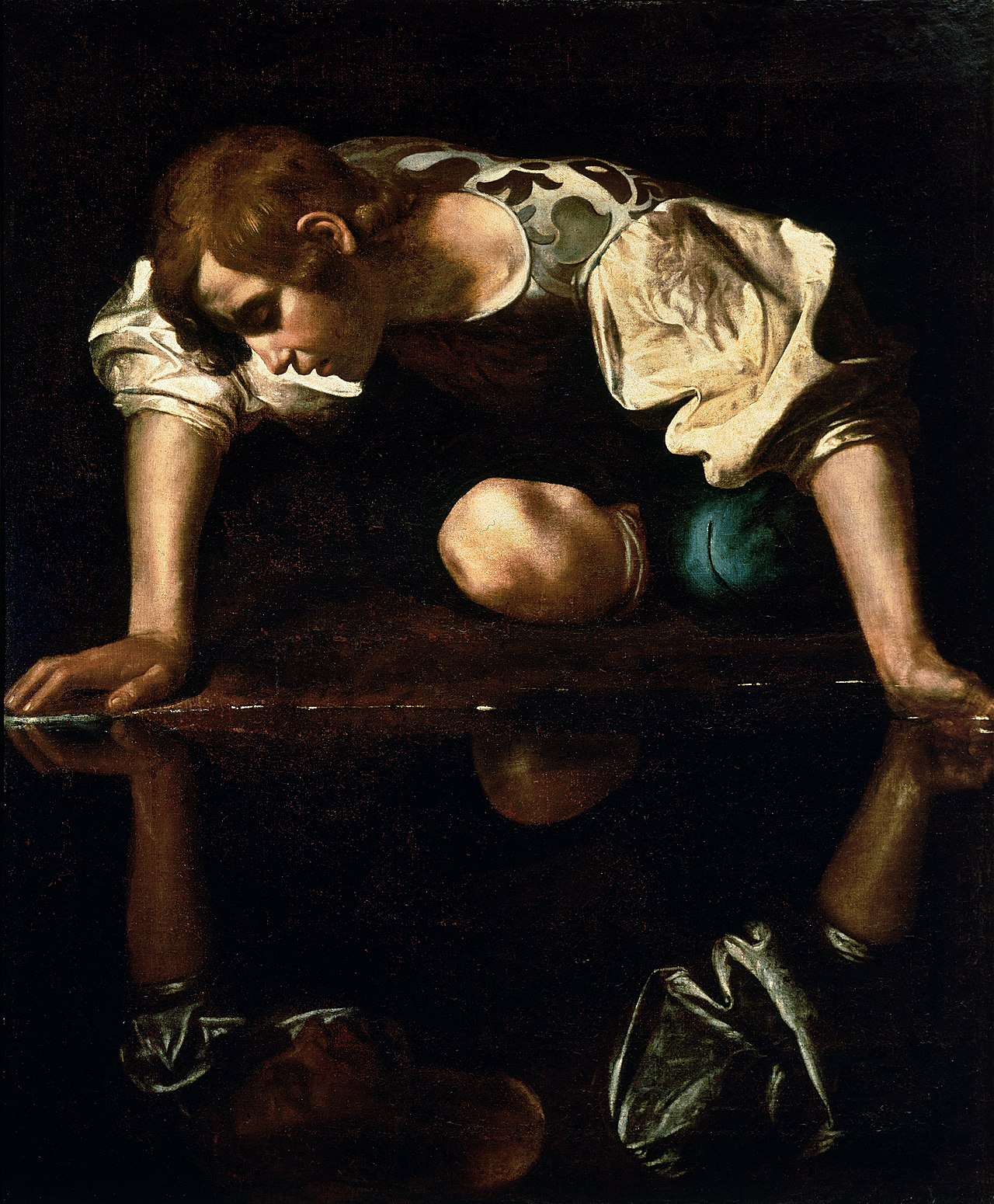
Caravaggio is associated with the Baroque movement and is frequently cited as a central figure in its development. His paintings are known for a naturalistic approach to figures and objects, a heightened sense of drama, and the use of strong contrasts between light and dark to model form. Art historians often link his technique to the theatrical lighting effects that became characteristic of the period: deep shadows punctuated by brilliant highlights that unify composition and narrative. This approach contrasted with the prevailing artistic language of late 16th-century Italy, when elements of Mannerism—stylized poses and artificial elegance—were giving way to a desire for clearer engagement with viewers.
Key characteristics
- Naturalism: figures rendered like living subjects rather than idealized types;
- Chiaroscuro and tenebrism: pronounced light–dark contrasts that focus attention and create spatial depth;
- Theatrical composition: narratives staged close to the picture plane so gestures and expressions feel immediate;
- Everyday models: ordinary people and humble details appear in scenes of sacred or noble subjects, lending accessibility;
- Psychological realism: emotional complexity and ambiguity in faces and poses, often leaving interpretation open to the viewer.
These features made Caravaggio’s paintings effective for churches and private patrons who wanted art to communicate directly and persuasively. The Catholic Church’s post-Tridentine program—commonly termed the Counter-Reformation—favored images that could move worshippers; Caravaggio’s vivid scenes competed stylistically with Protestant alternatives and helped define a visually persuasive Catholic idiom in the early 1600s, responding in part to debates sparked by Protestantism.
Life, controversies, and travels
Caravaggio’s career combined commercial success and recurring conflict. He secured important commissions in Rome around 1600 but was also notorious for a volatile temper and involvement in street fights. In 1606 he killed a man during an altercation and fled Rome after being declared an outlaw; this exile shaped the last years of his life. He spent time in Naples and later in Malta, where he briefly sought refuge and received honors before falling into fresh disputes. His movements between cities, intermittent patronage, and frequent legal troubles made his later life unsettled and contributed to a dramatic personal legend that has long interested biographers and scholars.
Works, reception, and legacy
Caravaggio produced many paintings that remain among the most discussed images of the early modern period. Notable examples often cited in surveys include:
- The Calling of Saint Matthew — a scene illustrating light as a narrative agent;
- Supper at Emmaus — emphasis on gesture and revelation at close range;
- Judith Beheading Holofernes — a dramatic depiction of violence and emotional strain;
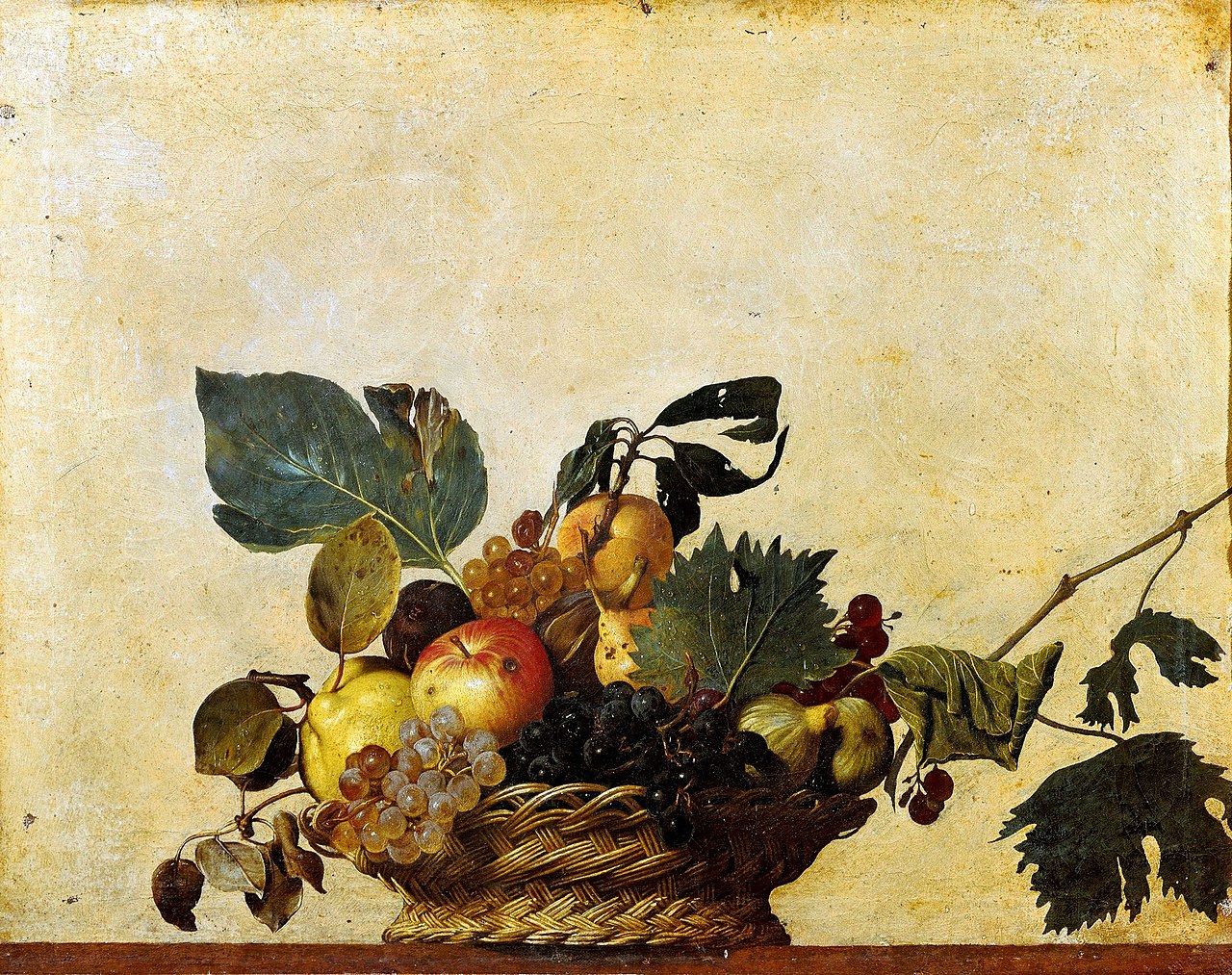
- Basket of Fruit and other still-life passages — striking observation of matter and decay;
- The Conversion of Saint Paul — use of compressed space and intense illumination.
After his death in 1610 his reputation fluctuated: pupils and followers carried aspects of his method across Europe, while tastes in art changed and scholarly interest waned for centuries. A major reassessment in the twentieth century restored his status as a pivotal innovator; critics and historians began to emphasize his influence on modern notions of realism and cinematic light. Today Caravaggio is studied both for the visual power of individual works and for the broader impact his techniques had on Baroque art and later figurative painting.
Further study and resources
Readers looking for deeper treatment can consult specialized catalogues, museum collections, and scholarly essays that address technical studies, attribution debates, and the social history of Caravaggio’s patrons and circle. For focused topics, see resources on his activity in Rome, his work in Naples, episodes in Malta, and his later presence in Sicily. Overviews of the Baroque movement and discussions of the shift from Mannerism may help situate his achievements in a wider historical framework.
Questions and answers
Q: Who was Michelangelo Merisi da Caravaggio?
A: Michelangelo Merisi da Caravaggio was an Italian artist who worked in Rome, Naples, Malta and Sicily between 1593 and 1610. He is known for painting in the Baroque style.
Q: What type of art did Caravaggio paint?
A: Caravaggio painted a type of art called Baroque style. He was the first person to be really good at painting this way.
Q: Why did the Catholic Church need a new type of art?
A: The Catholic Church needed a new type of art because Mannerism had been the most famous type of art for 100 years, and now it was boring. They wanted people to like their art so much that they would not want to start being part of a Protestant church.
Q: How did Caravaggio paint his pictures?
A: Caravaggio painted his pictures in a way called naturalism, which means he painted things how they actually looked. He also used chiaroscuro techniques by painting with very dark shadows and very bright lights.
Q: What happened after he died?
A: After he died, most people forgot about him and didn't care about his paintings until hundreds of years later when people looked at his work again and saw how important he had been as an artist. Many other famous artists had seen his paintings and tried to paint like him, leading to the Baroque style becoming very famous for hundreds of years afterwards.
Q: What did Andre Berne-Joffroy say about Caravaggio's work?
A: Andre Berne-Joffroy said that "What begins in the work of Caravaggio is, quite simply, modern painting."
Related articles
Author
AlegsaOnline.com Caravaggio: life, style, and influence of a Baroque innovator Leandro Alegsa
URL: https://en.alegsaonline.com/art/115891