
The Captain of Köpenick (Wilhelm Voigt)
Wilhelm Voigt (1849–1922), a German shoemaker and ex-convict who in 1906 impersonated an army captain in Berlin’s Köpenick, briefly seized municipal authority and became a lasting symbol in debates over obedience and militarism.
Overview
Wilhelm Voigt, born February 13 1849 and died January 3, 1922, was a German shoemaker and repeat offender who became internationally known after a bold imposture. In 1906 he deliberately assumed the appearance and authority of a military officer to expose how deference to uniform and rank could override ordinary civic judgment.
Image gallery
7 Images


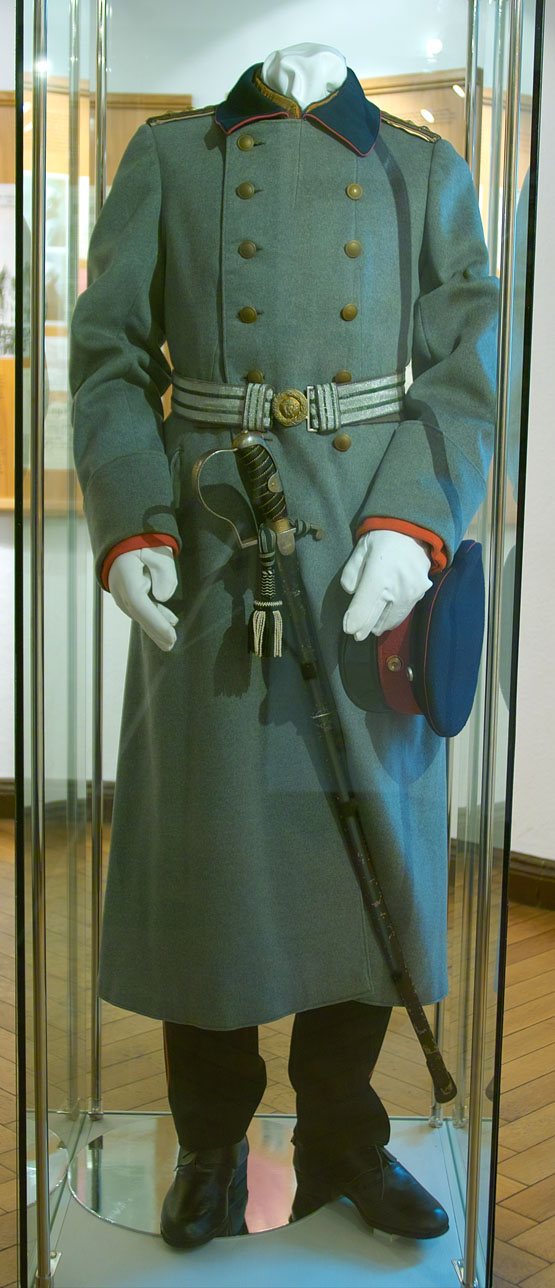

The Köpenick incident
On a single day in October 1906 Voigt, having obtained a discarded officer's uniform, presented himself as a captain of the army and used the symbol of rank to command soldiers. He marched into the town hall of Köpenick, then part of greater Berlin, detained a few local officials and secured access to municipal funds. The episode was carried out without major violence and quickly attracted sensational newspaper coverage across Germany and abroad.
Background and motives
Voigt had worked as a shoemaker and had served repeated prison terms for petty crimes and forgery. Contemporary commentators and later historians have interpreted his act as both a practical crime and a pointed social critique: it revealed the extraordinary power of uniform and the rigidity of bureaucratic deference in the German Empire. Whether conceived primarily as protest, satire or opportunism, the incident highlighted wider civic and military attitudes of the period.
Trial, public reaction and later life
After his arrest Voigt was tried and punished under the law of the time. Public reaction combined amusement, admiration, moral alarm and political commentary. For many he became a folk antihero; others treated the affair as an embarrassing demonstration of blind obedience. In subsequent years Voigt benefited from public fascination with his story, which allowed him to earn a modest living from appearances and publicity until his death in 1922.
Cultural legacy
The Köpenick affair entered popular culture through stage plays, novels and films and remains a frequent reference in discussions of authority and civics. The most influential dramatization was a stage play written in the early 20th century that satirized bureaucracy; it later inspired several cinematic adaptations, including a celebrated mid-century film version starring a well-known German actor. The episode is commemorated in Köpenick by a statue and by regular retellings in cultural histories.
Notable facts
- The episode is often cited in studies of obedience, symbols of authority and administrative culture.
- It demonstrates how outward signs of rank — a uniform, a title, confident orders — can compel compliance in formal institutions.
- The story has been adapted repeatedly and remains part of collective memory in Germany and beyond.
For introductions and more detailed accounts consult scholarly histories and editions of contemporary press reports; dramatizations and archival material also offer varied perspectives on why a single imposture resonated so widely in the early 20th century.
Questions and answers
Q: Who is the Captain of Köpenick?
A: The Captain of Köpenick is Wilhelm Voigt, who was a German shoemaker, criminal and impostor.
Q: When was the Captain of Köpenick born?
A: The Captain of Köpenick, Wilhelm Voigt, was born on February 13, 1849.
Q: Why did the Captain of Köpenick become world-famous in 1906?
A: The Captain of Köpenick became world-famous in 1906 for pretending to be a Captain in the army and playing a trick in Berlin.
Q: What profession did the Captain of Köpenick have before becoming an impostor?
A: The Captain of Köpenick was a shoemaker before becoming an impostor.
Q: What was the trick that the Captain of Köpenick played in Berlin?
A: The trick that the Captain of Köpenick played in Berlin involved him pretending to be a Captain in the army.
Q: Was the Captain of Köpenick a criminal?
A: Yes, the Captain of Köpenick was a criminal.
Q: When did the Captain of Köpenick die?
A: The Captain of Köpenick, Wilhelm Voigt, passed away on January 3, 1922.
Related articles
Author
AlegsaOnline.com The Captain of Köpenick (Wilhelm Voigt) Leandro Alegsa
URL: https://en.alegsaonline.com/art/115889