
Cam Newton
American football quarterback Cam Newton, 2010 Heisman winner and 2011 national champion at Auburn, 2011 No. 1 NFL draft pick and 2015 NFL MVP known for his dual‑threat play.
Cameron "Cam" Jerrell Newton (born May 11, 1989) is an American football player best known for his career as a professional American football quarterback. He gained national attention as a dynamic playmaker in college and became the first overall pick in the 2011 NFL Draft. Newton combined a strong arm with exceptional size and athleticism, producing seasons that influenced how teams evaluate dual‑threat signal callers.
Image gallery
10 Images


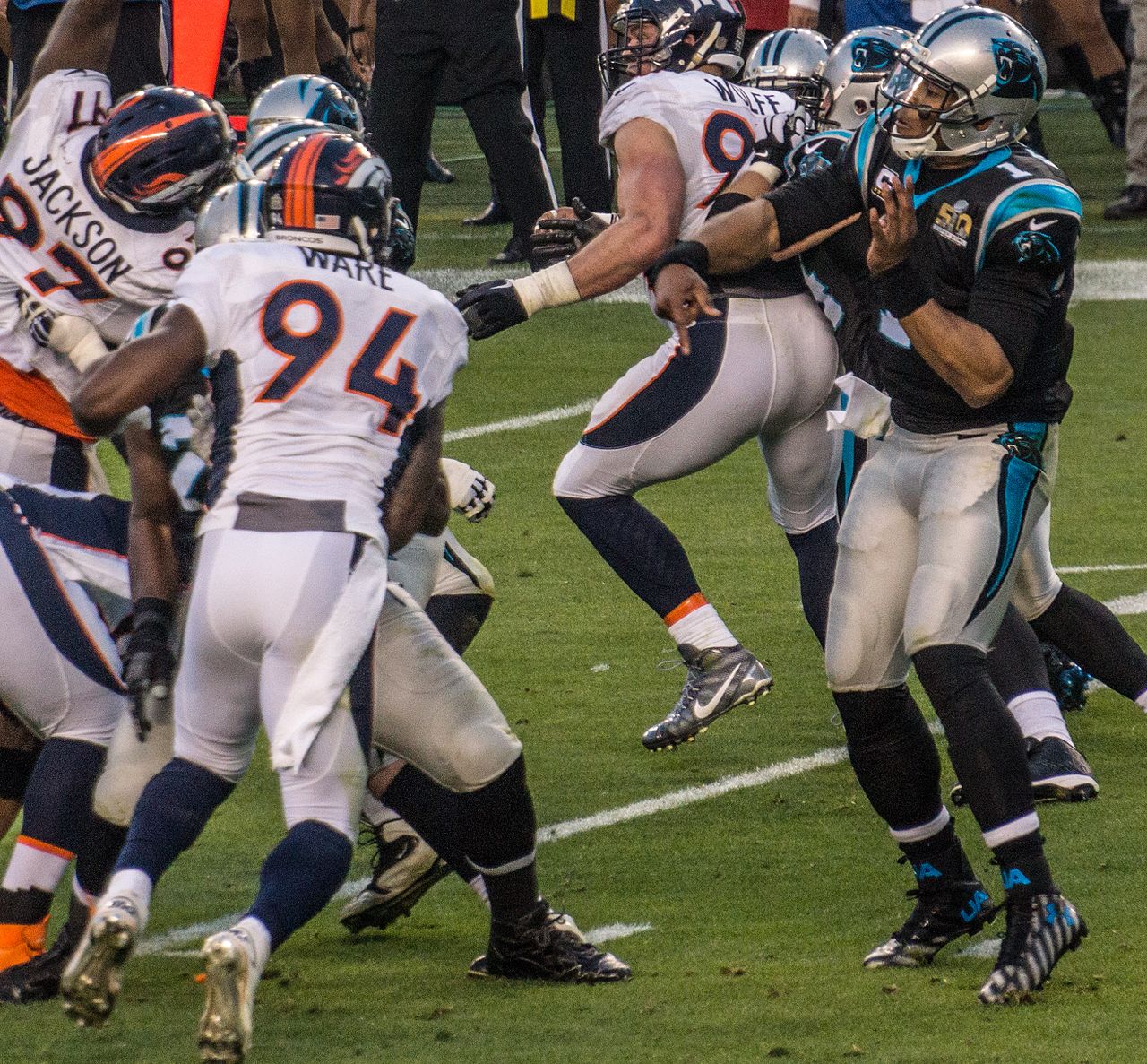
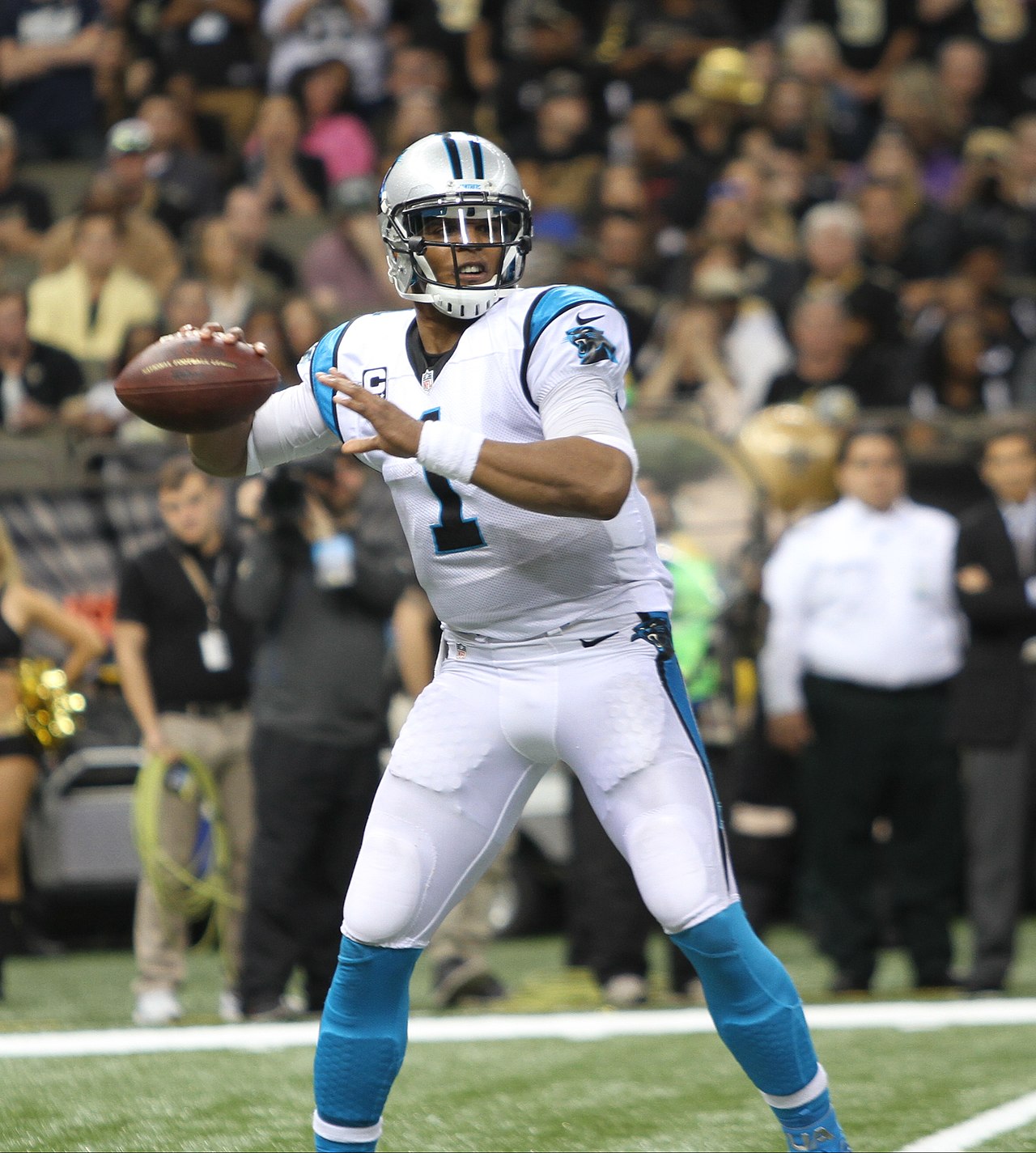

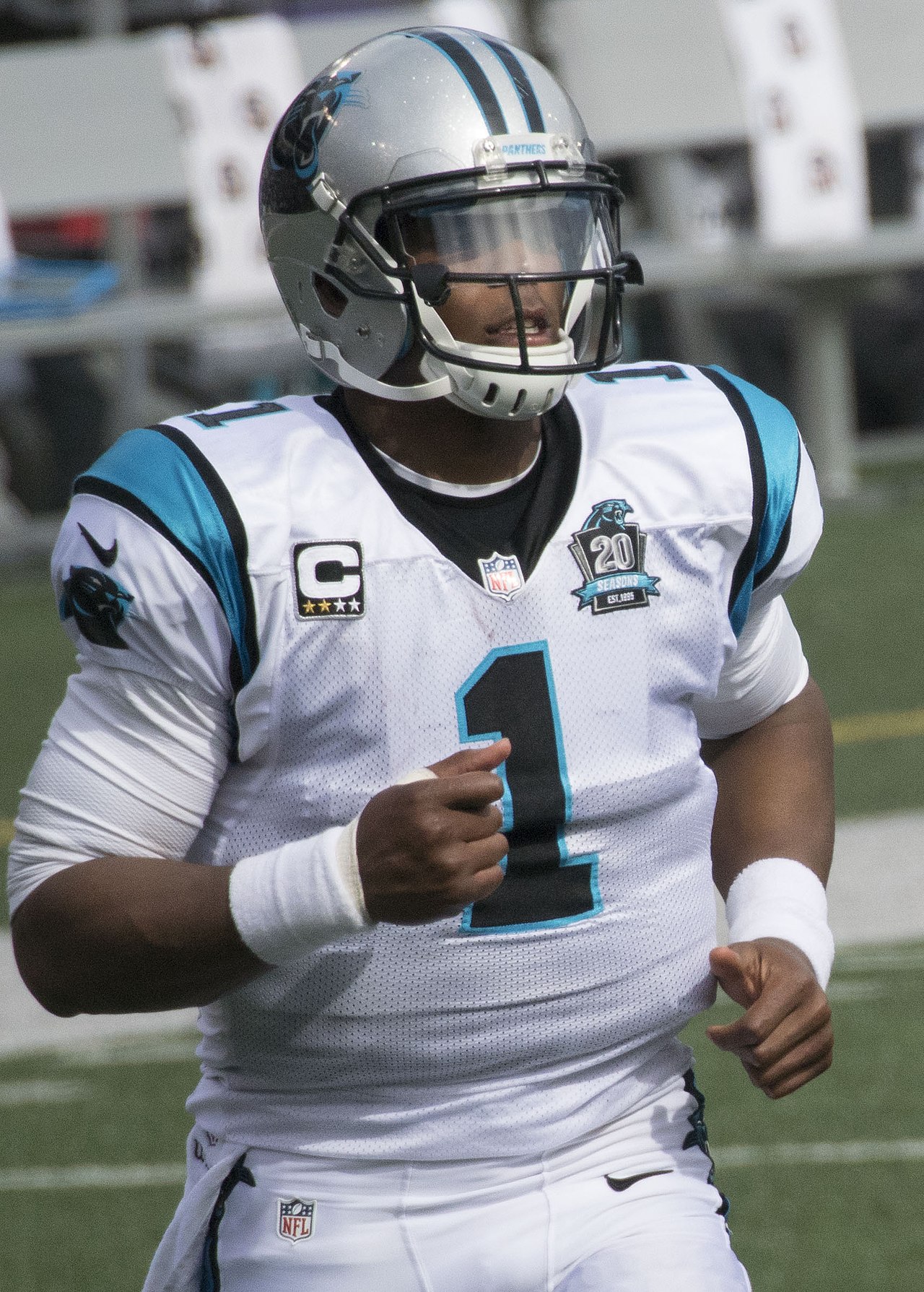


Early life and college
Newton was born in Atlanta, Georgia, and played high school football at Westlake High School. After an early college stop and a productive junior college season, he transferred to Auburn University. At Auburn he won the Heisman Trophy for the 2010 season and led the program to a BCS national championship in the game played in January 2011. His collegiate success established him as a top prospect for the National Football League.
Professional career
Selected first overall by the Carolina Panthers in 2011, Newton earned NFL Offensive Rookie of the Year honors and later engineered a 15–1 regular season that culminated in a Super Bowl appearance. In 2015 he was named AP NFL Most Valuable Player. Over subsequent seasons Newton dealt with injuries and roster changes and had brief stints with other organizations while remaining one of the most recognizable players of his era.
Playing style and accomplishments
Newton is widely described as a dual‑threat quarterback whose combination of size, strength and speed created mismatches for defenses. He is noted for both passing ability and the capacity to gain yards on the ground, a style that encouraged teams at all levels to rethink quarterback roles. Career highlights include the Heisman, a national title at college, an NFL MVP award, and an appearance in a Super Bowl.
Legacy and off‑field work
Beyond on‑field achievements, Newton has been visible for his fashion, leadership and philanthropic efforts. He has supported youth development and educational initiatives through charitable work and used his platform to raise awareness of community issues. His peak years had an observable effect on both college and professional offensive strategies and on expectations for athletic quarterbacks.
- American football quarterback
- Heisman Trophy winner and national champion at Auburn University
- NFL MVP and Super Bowl starter
- Known for dual‑threat play and community involvement
Questions and answers
Q: Who is Cam Newton?
A: Cam Newton is an American football quarterback for the Carolina Panthers of the National Football League (NFL).
Q: When was Cam Newton born?
A: Cam Newton was born on May 11, 1989.
Q: Where did Cam Newton play college football?
A: Cam Newton played college football at Auburn University.
Q: What did Cam Newton win while playing college football?
A: Cam Newton won a National Championship in 2011 while playing college football at Auburn University.
Q: What position does Cam Newton play in football?
A: Cam Newton plays the quarterback position in football.
Q: What team does Cam Newton currently play for?
A: Cam Newton currently plays for the Carolina Panthers in the National Football League (NFL).
Q: What is Cam Newton's full name?
A: Cam Newton's full name is Cameron "Cam" Jerrell Newton.
Related articles
Author
AlegsaOnline.com Cam Newton Leandro Alegsa
URL: https://en.alegsaonline.com/art/115871
Sources
- huffingtonpost.com : huffingtonpost.com
- foxsportsarizona.com : "Newton a product of his family"
- sports.espn.go.com : NFL draft 2011: Tracing Cam Newton's journey to the NFL
- sports.espn.go.com : NFL draft 2011: Tracing Cam Newton's journey to the NFL
- usatoday.com : "Auburn system suits quarterback Cam Newton well"
- blogs.orlandosentinel.com : "Backup QB Cameron Newton arrested for possession of stolen property, suspended from team"
- gatorsports.com : Paul Loschak account of laptop theft differs from Cam Newton
- thesmokinggun.com : "Cam Newton, Lame Laptop Thief"
- shreveporttimes.com : "Auburn's Cam Newton Makes Most of Second Chance"
- nytimes.com : "Newton Faced Suspension at Florida"
- morningsun.net : "Newton leads Blinn to title"
- al.com : "Auburn's Cam Newton timeline: From recruitment to NCAA ruling"
- blogs.mercurynews.com : "Breaking news: Cam Newton ruled eligible by NCAA"
- al.com : al.com/sports/index.ssf/2010/12/scarbinsky_cecil_newton_should.html
- heisman.com : "Cam Newton – 2010 Heisman Winner"