
Camillo Benso, Count of Cavour: Architect of Italian Unification
Italian statesman Camillo Benso, Count of Cavour (1810–1861), led economic modernization and diplomatic strategy that helped unite Italy under a constitutional monarchy.
Camillo Benso, Count of Cavour was an Italian statesman whose political skill, economic policies and diplomatic maneuvering were central to the mid‑19th century movement for national unification. Born in Turin in 1810, he combined a background in administration and business with a pragmatic liberal outlook. Cavour served as a minister and then as prime minister of the Kingdom of Sardinia, and his policies laid much of the groundwork for the later formation of a unified Italy during the 1850s and 1860s. He is commonly remembered as one of the principal architects of Italian unification and for bringing together economic modernization and realpolitik diplomacy.
Image gallery
9 Images

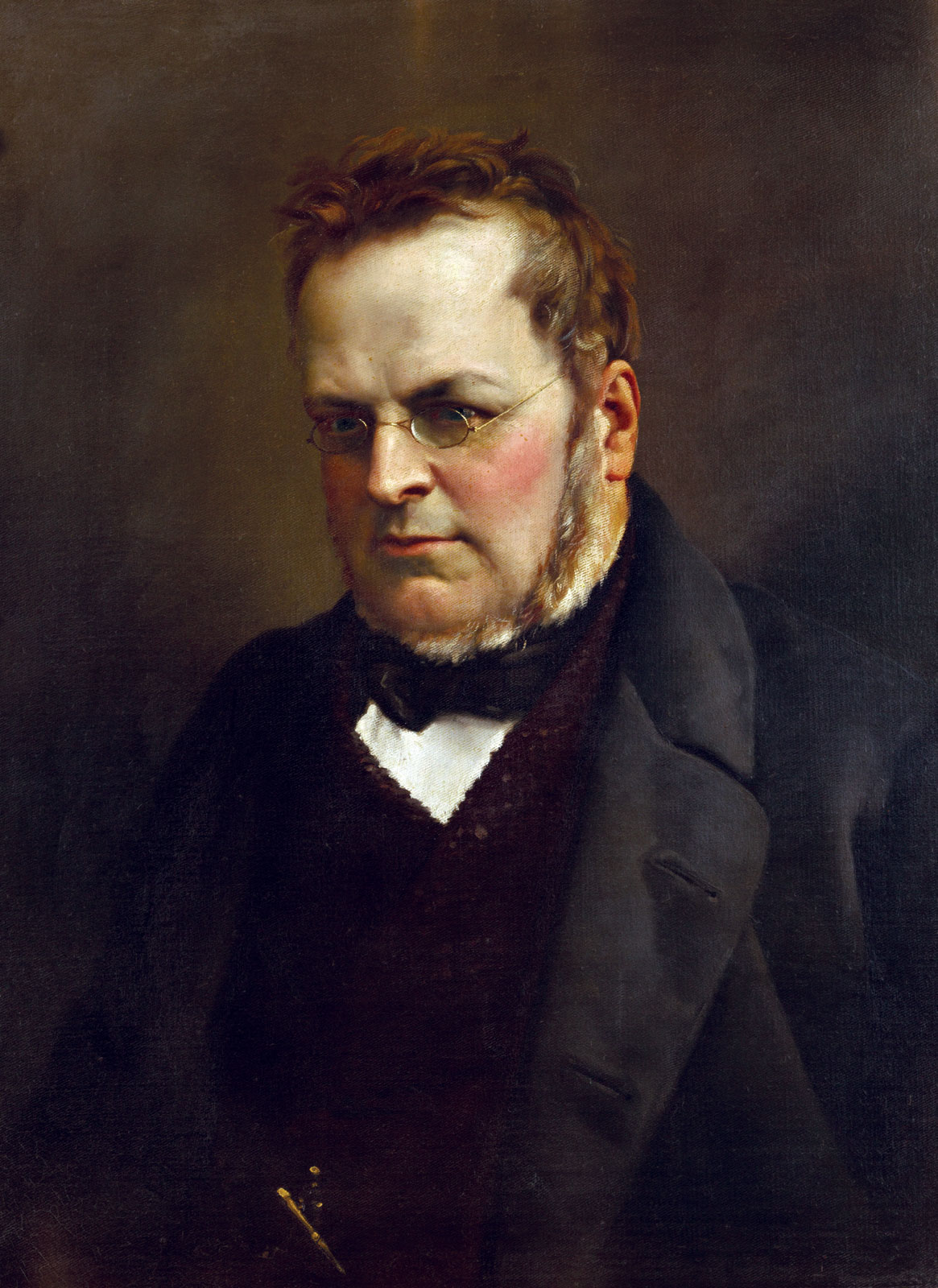
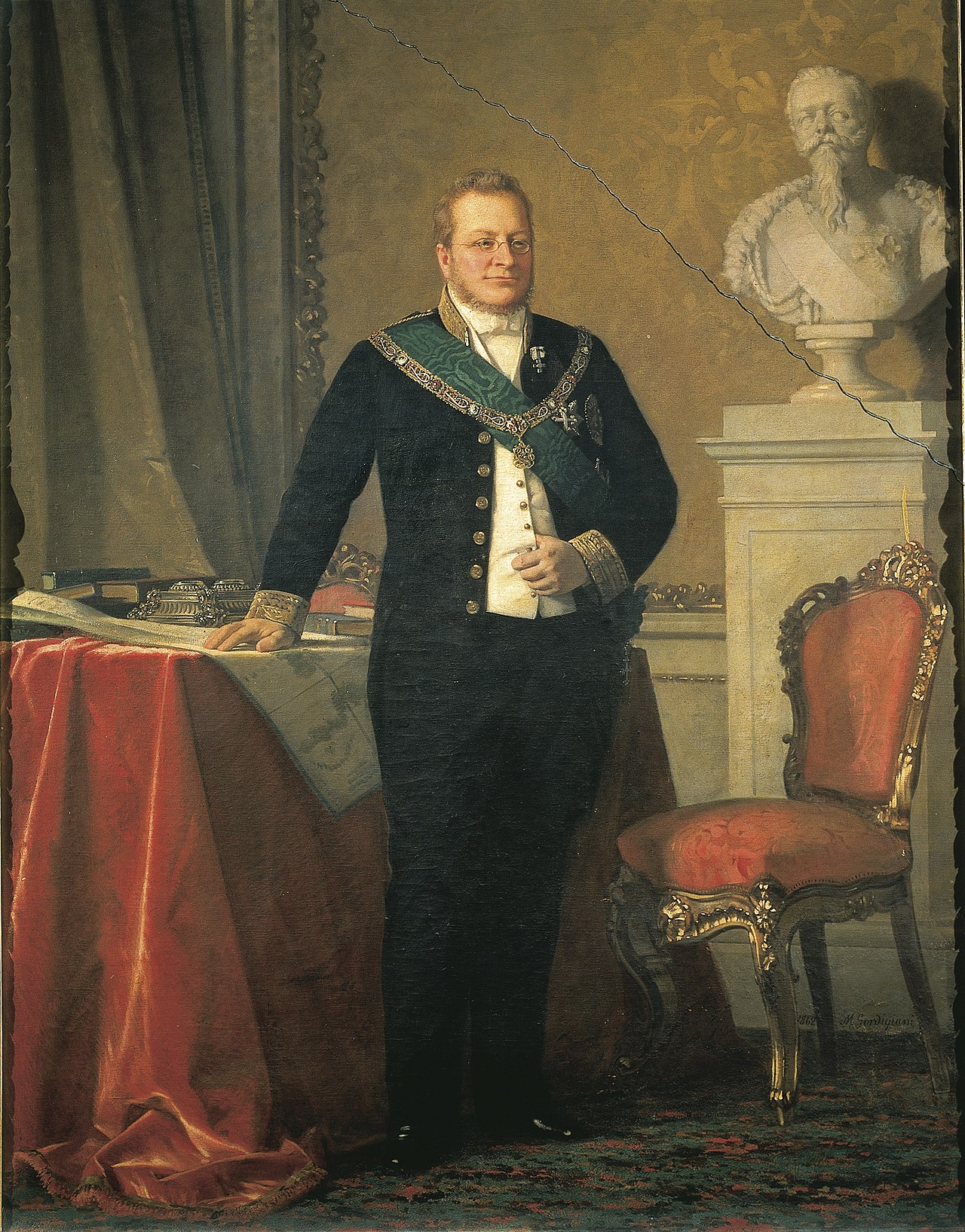


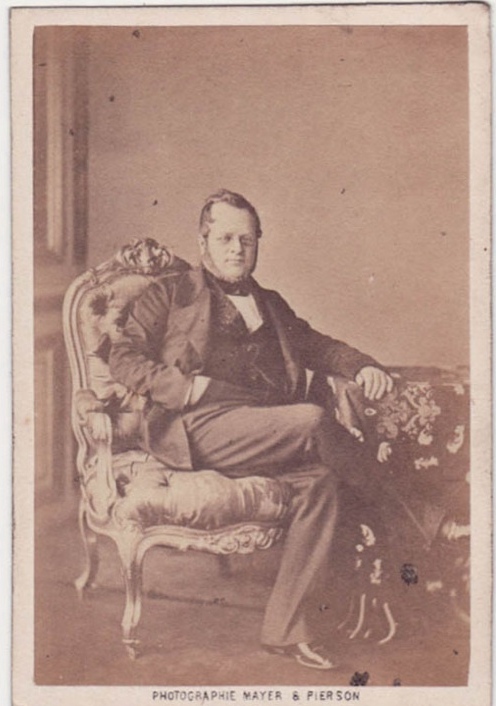

Early life and intellectual influences
Cavour was born into a noble Piedmontese family and inherited the title Count of Cavour. He began his career in the military and later traveled extensively in Europe, where he studied industrial and agricultural developments, especially those of Britain and France. Those journeys exposed him to the effects of the Industrial Revolution and to contemporary ideas about free trade, parliamentary government and secular reform. On his return to Piedmont, he invested in agriculture, industry and banking, and he used his practical experience in commerce to inform his later public policies.
Political career and domestic reforms
Cavour entered public life with liberal but moderate objectives: to strengthen the state, stimulate economic growth and promote civil liberties within a constitutional framework. He helped found the newspaper Il Risorgimento, which advocated moderate reforms, and he served in local office before moving into national government. As a minister he favored tariff reduction, railroad expansion, banking reforms and the modernization of agriculture. He also supported measures that limited clerical privileges in the name of a secular, centralized administration.
- Economic modernization: promotion of railways, trade and investment to integrate regional markets.
- Administrative reform: centralization and professionalization of civil institutions.
- Legal and secular measures: policies to reduce special ecclesiastical exemptions and to assert state authority.
- Education and public works: emphasis on expanding schooling and infrastructure to support industry and agriculture.
Foreign policy and road to unification
Cavour believed that unification required both domestic strength and careful diplomacy. He pursued alliances with major powers while avoiding revolutionary rhetoric. Most famously, he negotiated an understanding with France to counter Austrian dominance in northern Italy. That alignment led to conflict with the Austrian Empire in 1859, commonly called the Second Italian War of Independence, in which Sardinian forces—backed by French troops—drove Austrian influence from parts of northern Italy. The subsequent armistice and negotiations, including the controversial Armistice of Villafranca, produced territorial rearrangements and a faster political consolidation than many had predicted.
Relations with other nationalist leaders
Cavour often found himself balancing competing forces within the unification movement. He distrusted mass insurrections but recognized the practical value of nationalist leaders who could deliver territory and public support. The most notable of these figures was Giuseppe Garibaldi, whose volunteer campaigns in southern Italy raised the prospect of a rapid transfer of power from old regimes to a unified crown. Cavour and Garibaldi differed in background and tactics—one a cautious statesman, the other a popular revolutionary—but their interactions helped bring disparate regions into a single constitutional monarchy.
Final years and legacy
After decades of service, Cavour became a leading figure of the new political order: he served as prime minister of Sardinia and, briefly, as the head of government in the nascent Kingdom of Italy. He also held the foreign affairs portfolio and guided delicate negotiations that turned military victories and popular movements into institutional unity under a monarchy. He died in Turin in 1861 after a short illness, shortly after the proclamation of the Kingdom of Italy.
Cavour's reputation rests on his combination of economic reform, institutional modernization and shrewd diplomacy. He promoted moderate liberalism—favoring constitutional government, free trade and incremental reform—over radical republicanism. Critics from both the political left and right accused him of compromising too much with conservative elites or of neglecting social questions, yet historians typically credit him with converting revolutionary energy into a durable political framework. His life illustrates how state building, economic development and international alliances can interact to reshape a region's political map.
For readers who wish to explore primary documents and more detailed biographies, consult contemporary collections of his correspondence and specialized studies that analyze his role in finance, the press and diplomacy. Cavour remains a central figure for understanding how diplomatic negotiation and domestic modernization were paired to achieve national unification.
Questions and answers
Q: Who was Cavour?
A: Cavour was an Italian politician and statesman who played an important role in the movement towards Italian unification.
Q: When and where was he born?
A: Cavour was born in Turin, Italy on 10 August 1810 during Napoleonic rule.
Q: What did he do before 1831?
A: Before 1831, Cavour served as a military officer.
Q: What did his travels help him to understand?
A: His travels helped him to understand the principles of the British Liberal system.
Q: What did he do when he returned to Piedmont?
A: When he returned to Piedmont, Cavour took charge of agriculture and the economy in general, worked for the spread of schools, and engaged in business and banking activities which made him one of the richest men in Piedmont.
Q: What law did he advocate for that made him famous?
A: In 1850, Cavour became famous because he advocated for the "Siccardi Law" which diminished the privileges of Catholic clergy.
Q:What were his political goals? A:Cavour's political program aimed to make the Kingdom of Sardinia a constitutional State based on moderate and progressive liberalism by modernizing agriculture, strengthening industry and promoting trade with major European powers.
Related articles
Author
AlegsaOnline.com Camillo Benso, Count of Cavour: Architect of Italian Unification Leandro Alegsa
URL: https://en.alegsaonline.com/art/115861