
Bud Fowler — Early African-American Professional Baseball Pioneer
John W. 'Bud' Fowler (1858–1913) was the earliest known African-American in organized professional baseball, a versatile player, manager and club organizer whose legacy influenced later Negro leagues.
Overview
John W. "Bud" Fowler (March 16, 1858 – February 26, 1913) is recognized as the earliest known African-American player in organized professional baseball. Active in the late 19th century, Fowler combined playing, managing and team organization at a time when racial exclusion was becoming widespread in the sport. His career predated the formal Negro leagues and helped establish a precedent for later generations of Black ballplayers. For further biographical context see a contemporary profile.
Image gallery
2 Images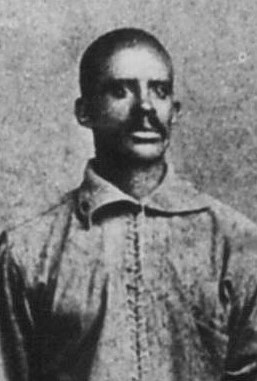

Playing profile and roles
Fowler was a versatile ballplayer who appeared at several positions and was valued for his adaptability and leadership. Contemporary accounts describe him as a capable pitcher and infielder, able to catch and play in the field as team needs demanded. His professional roles included:
- Player at multiple positions
- On-field manager and tactical leader
- Club organizer and recruiter
He moved frequently between teams in organized minor and regional pro circuits, often signing short contracts and barnstorming when opportunities arose.
History and challenges
Fowler's career unfolded during a period when baseball was transitioning from loosely organized clubs to more formalized professional leagues. As segregation hardened in the 1880s and 1890s, Black players faced mounting exclusion from many organized teams. Fowler repeatedly encountered discrimination — being barred from rosters, threatened with expulsion, or forced to leave towns — yet he continued to find or create opportunities to play and manage. His experience illustrates the informal and inconsistent nature of racial barriers in early professional baseball.
Organization and management
Beyond playing, Fowler organized and managed independent clubs, recruiting Black and often mixed-race players and arranging schedules that combined league play with barnstorming tours. These efforts helped sustain professional opportunities for Black athletes at a time when few formal institutions supported them. His managerial work demonstrates early entrepreneurship in the sport and contributed to the survival of Black baseball before the rise of well-known Negro leagues. More on his managerial contributions can be found at this resource.
Legacy and recognition
Although overlooked for many decades, Fowler's place in baseball history has been reassessed by historians and institutions. He is widely acknowledged as a pioneering figure whose career challenges the notion that organized pro baseball was always racially segregated from its inception. In recognition of his pioneering role, he received formal honors long after his death, including election to the National Baseball Hall of Fame in 2022. For discussions of the major-league context and historical significance, see related material.
Fowler's story remains important both as an individual biography and as a window into how race, labor and sport intersected in post–Civil War America. His persistence in playing, managing and organizing helped lay groundwork for the athletes and institutions that followed.
Questions and answers
Q: Who was Bud Fowler?
A: Bud Fowler was an African-American baseball player, manager, and club organizer.
Q: When was Bud Fowler born?
A: He was born on March 16, 1858.
Q: What is Bud Fowler known for?
A: He is known as the earliest known African-American player in organized professional baseball, which includes the major and minor leagues.
Q: When did Bud Fowler pass away?
A: He passed away on February 26, 1913.
Q: What was Bud Fowler's contribution to baseball?
A: As the first African-American player in organized professional baseball, Bud Fowler made a significant contribution to the sport.
Q: Was Bud Fowler only a player or did he hold other positions as well?
A: Bud Fowler was not just a player, but also a manager and club organizer.
Q: Was Bud Fowler the only African-American player in professional baseball during his time?
A: No, Bud Fowler was the earliest known African-American player in professional baseball, but there were others who played alongside him during his time.
Related articles
Author
AlegsaOnline.com Bud Fowler — Early African-American Professional Baseball Pioneer Leandro Alegsa
URL: https://en.alegsaonline.com/art/115765
Sources
- idnc.library.illinois.edu : "Our Boys vs. Franklin"
- idnc.library.illinois.edu : "Boston vs. Picked Nine"
- wikidata.orgQ4983845.html : wikidata.orgq4983845.html
- id.loc.gov : n2013020559
- viaf.org : 300204663
- worldcat.org : lccn-n2013020559