
Boris Godunov (c. 1551–1605): Regent and Tsar of Russia
Overview of Boris Fyodorovich Godunov, his rise from boyar to de facto ruler and tsar, major policies, controversies (including the Dmitri affair) and his role in the Time of Troubles.
Overview
Boris Fyodorovich Godunov (Russian name: Бори́с Фёдорович Годуно́в) was a leading statesman of late 16th-century Russia. Born around 1551, he served as the chief adviser and administrator under the last Rurikid rulers and became the effective head of state as a regent before being chosen as tsar in 1598. He died on 23 April 1605 (13 April O.S.), leaving a contested legacy shaped by strong governance, crisis management and unresolved allegations about the fate of the young prince Dmitri.
Image gallery
10 Images


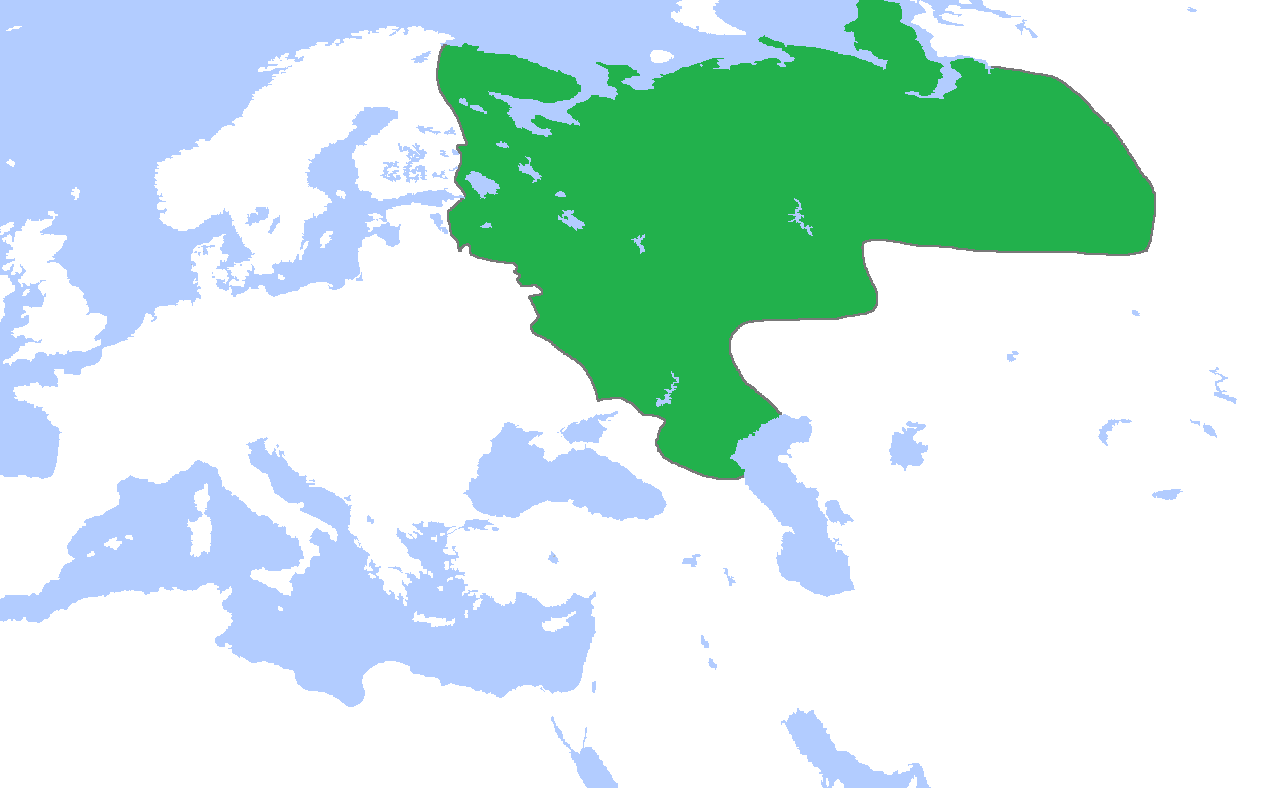

Career and government
Godunov rose from the ranks of the boyar elite to become one of Ivan IV's and then Feodor I's most trusted officials. From about 1585 he wielded real power as head of the court and administration, and after Feodor's death in 1598 he was elected tsar by a national assembly. His reign (1598–1605) is remembered for attempts at administrative centralization, support of the Orthodox Church, encouragement of trade (including contacts with England and other Western powers), and measures aimed at stabilizing frontier regions and colonization of eastern lands.
Famine, unrest and the Time of Troubles
The turn of the century brought severe difficulties: a prolonged famine (1601–1603), crop failures and social unrest strained Godunov's government. His efforts to maintain order included fiscal measures and the repression of popular revolts, but the economic and demographic consequences weakened the state's authority. The period after his death descended into deeper crisis, known as the "Time of Troubles," during which rival claimants and foreign intervention upended Russian politics.
The Dmitri controversy and cultural legacy
A central controversy of Godunov's rule concerns the death of Tsarevich Dmitri of Uglich, the youngest son of Ivan the Terrible. Dmitri died under unclear circumstances in 1591; contemporaries and later critics alleged that Godunov arranged or covered up the murder to remove a dynastic rival. Historians remain divided and many modern accounts treat the allegation as plausible but not conclusively proven. Decades later the episode inspired literary and musical works: Alexander Pushkin dramatized it in his play Boris Godunov, and composers such as Mussorgsky adapted the story for the operatic stage, shaping popular perceptions of the tsar.
Notable actions and assessments
- Consolidation of central authority through appointments, legal supervision and relations with the church.
- Promotion of trade links and limited diplomatic outreach to Western Europe during a turbulent era.
- Response to famine and peasant unrest that preserved short-term order but failed to prevent long-term instability.
- Accusations of involvement in dynastic murder that colored both contemporary opposition and later historiography.
Historical significance
Boris Godunov occupies a complex place in Russian history: he transformed a position of influence into the crown in an age when hereditary succession was breaking down, and his reign marks the end of the Rurikid dynasty and the beginning of a chaotic interregnum. Assessments vary: some historians credit his administrative skill and statecraft, others emphasize the limits of his legitimacy and the political costs of crisis management. For readers interested in primary and cultural materials, older historical narratives such as those influenced by Nikolay Karamzin and artistic interpretations by Pushkin and Mussorgsky remain major sources shaping his image in literature and memory.
For further reading and source materials, see footnotes and archival references associated with each major event and claim: pretender episodes, the regency years, and documents surrounding the election of 1598 and the succession crisis after 1605.
Questions and answers
Q: Who was Boris Fyodorovich Godunov?
A: Boris Fyodorovich Godunov was a famous tsar (emperor) of Russia who ruled as a regent from about 1585 to 1598 and then as tsar from 1598 to 1605.
Q: How did he become Tsar?
A: He had not inherited the throne, but instead became Tsar through his own power and influence.
Q: What is the story of Boris Godunov told in?
A: The story of Boris Godunov is told in Pushkin’s play Boris Godunov and in Mussorgsky’s opera Boris Godunov.
Q: Is the story told by Pushkin and Mussorgsky exactly how it really happened?
A: No, both Pushkin and Mussorgsky had read a book on Russian history written by the court historian Karamzin, written in 1803. Karamzin describes Godunov as a powerful tsar who was also a weak human being, but he changed some historical facts to fit in with this theory.
Q: What made Boris anxious while ruling as Tsar?
A: While ruling as Tsar, Boris was anxious that a pretender would come who would claim to be Dmitri, the son of the previous tsar Ivan IV (Ivan the Terrible), and try to get the throne. Dmitri had actually been murdered.
Related articles
Author
AlegsaOnline.com Boris Godunov (c. 1551–1605): Regent and Tsar of Russia Leandro Alegsa
URL: https://en.alegsaonline.com/art/115467