
Book of Judith
A deuterocanonical narrative about Judith, a pious widow who liberates her people by beheading the enemy general Holofernes; included in Catholic and Orthodox Bibles but treated as apocryphal by Jews and Protestants.
Overview
The Book of Judith is a narrative found in some Christian editions of the Bible and in ancient Greek manuscript collections. It tells the story of Judith, a devout widow from the town of Bethulia, who uses courage, deception, and faith to save her people from an invading army by entering the enemy camp and killing its commander, Holofernes. The work is best understood as a theological novella or historical romance rather than a straightforward chronicle.
Image gallery
10 Images





Contents and narrative
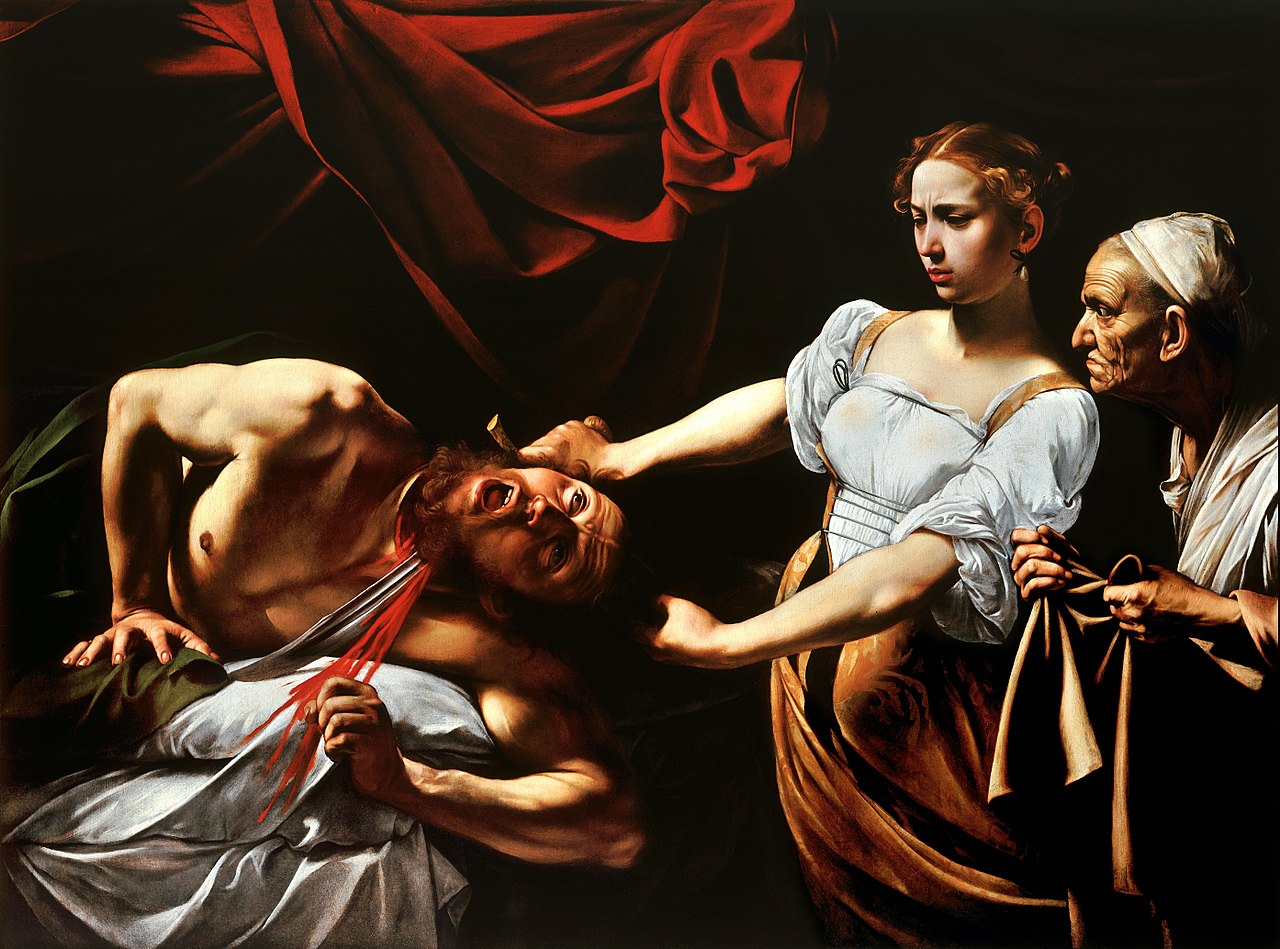
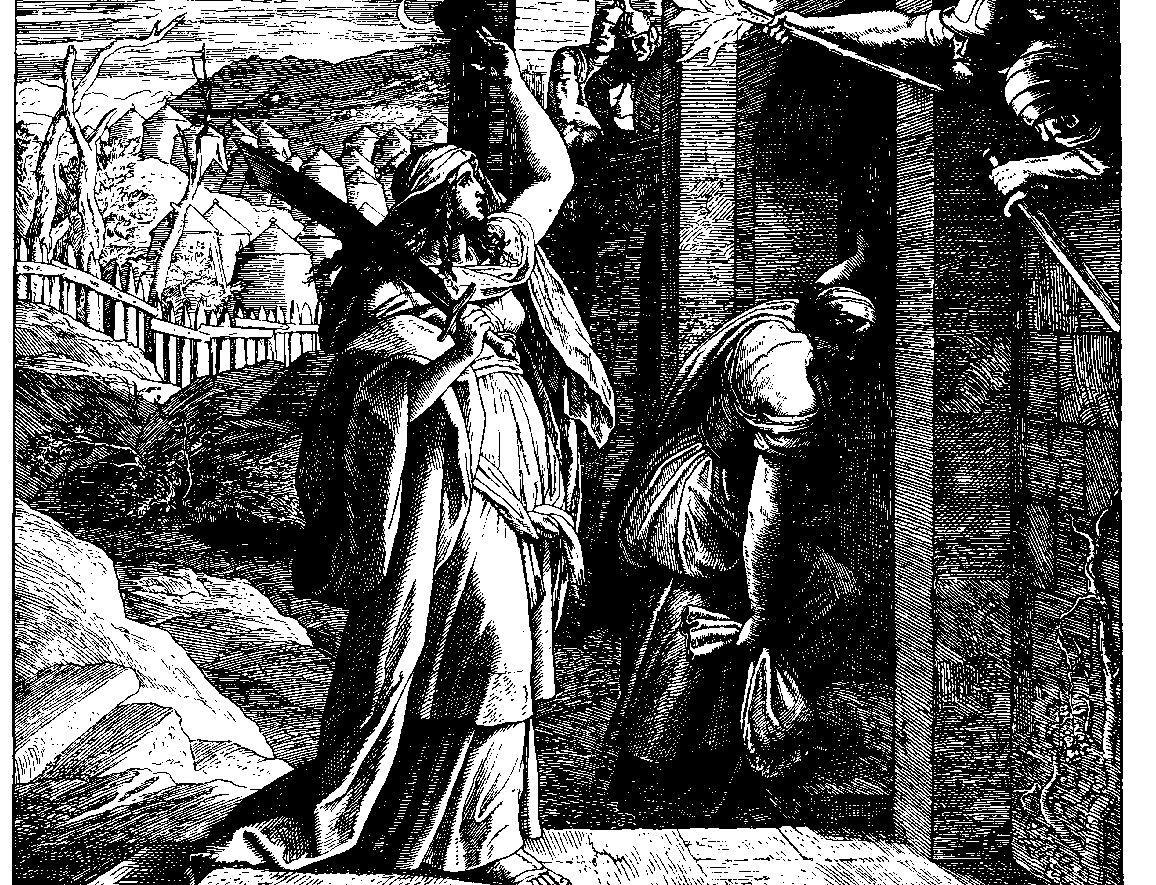
The plot centers on a siege: a foreign general blocks access to water and threatens the Israelites. As despair grows among the townspeople, the steadfast Judith encourages resistance, refuses to surrender, and takes action. She gains access to the general's tent by posing as a sympathizer, attends a banquet where Holofernes becomes intoxicated, and in his sleep decapitates him. Judith returns to Bethulia with the head, the enemy forces disperse, and she is honored for her piety and bravery.
Composition and textual history
Scholars generally date the book to the Hellenistic period, commonly placing its composition somewhere between the 2nd and 1st centuries BCE. The work survives primarily in Greek and in later Latin translations. There is debate about whether it preserves an original Hebrew or Aramaic source, but the form that reached later readers is a Greek narrative preserved in the Septuagint tradition and in Christian bibles.
Themes and literary features
Judith combines religious devotion, clever strategy, and dramatic action. Major themes include divine deliverance, the power of faithful individuals, and the subversion of enemies through wit rather than force alone. The book uses elevated rhetoric, vivid episodes, and symbolic names to convey theological lessons. It is often compared to other biblical stories of deliverance and to historical novels of the ancient world.
Canonical status and reception
The Book of Judith occupies different places in religious traditions. It is accepted as canonical in many Catholic and Eastern Orthodox Bibles and appears among the deuterocanonical books in those traditions. Many Protestant denominations and Jewish scholarship classify it as apocryphal or non-canonical. For an overview of its placement in various biblical canons see the Bible and discussions of canonical lists in Catholic and Orthodox traditions at Catholic/Orthodox canon references. Protestant and Jewish treatments often reference its status among the apocrypha or related collections (apocrypha resources).
Legacy, liturgy, and art
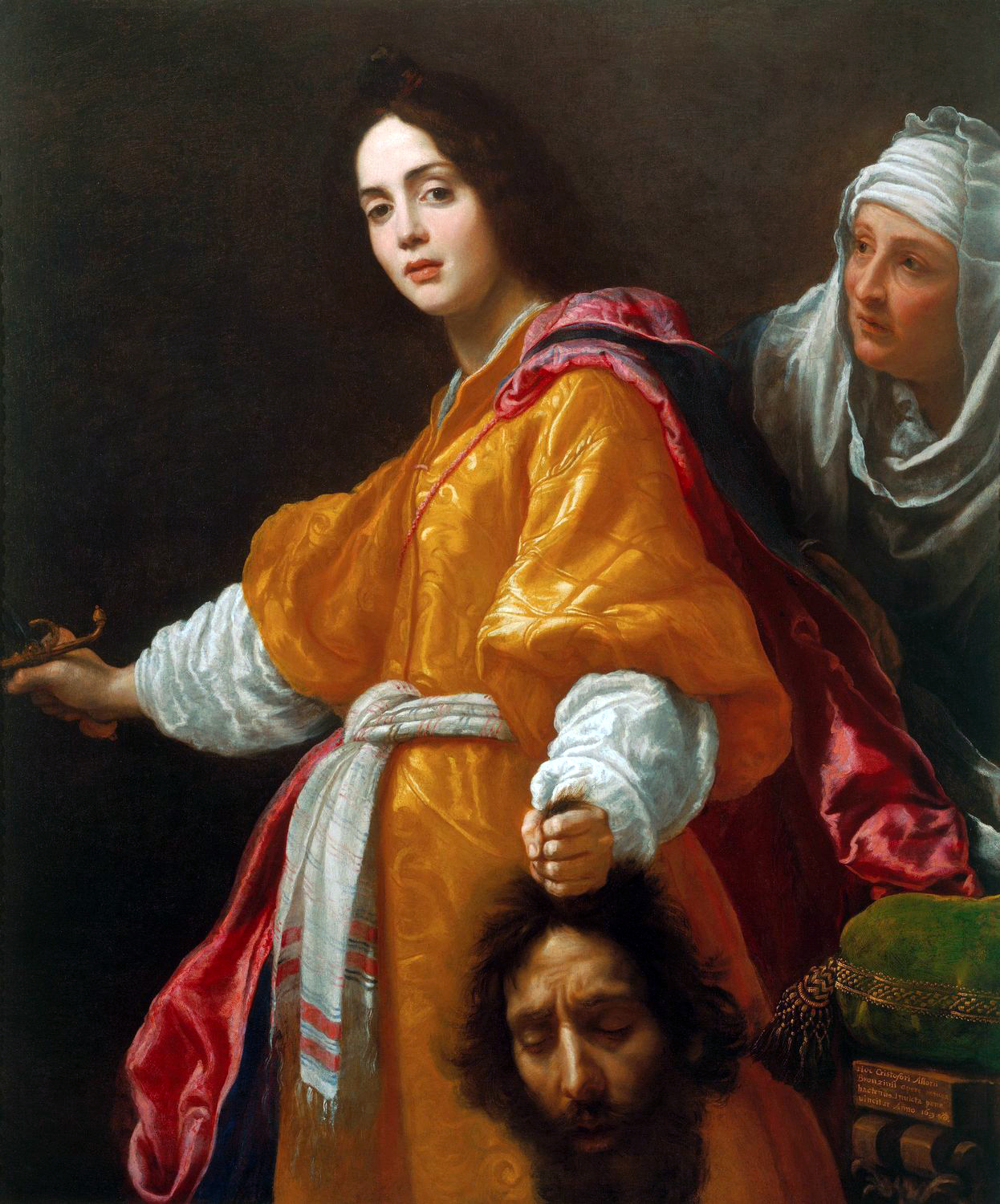
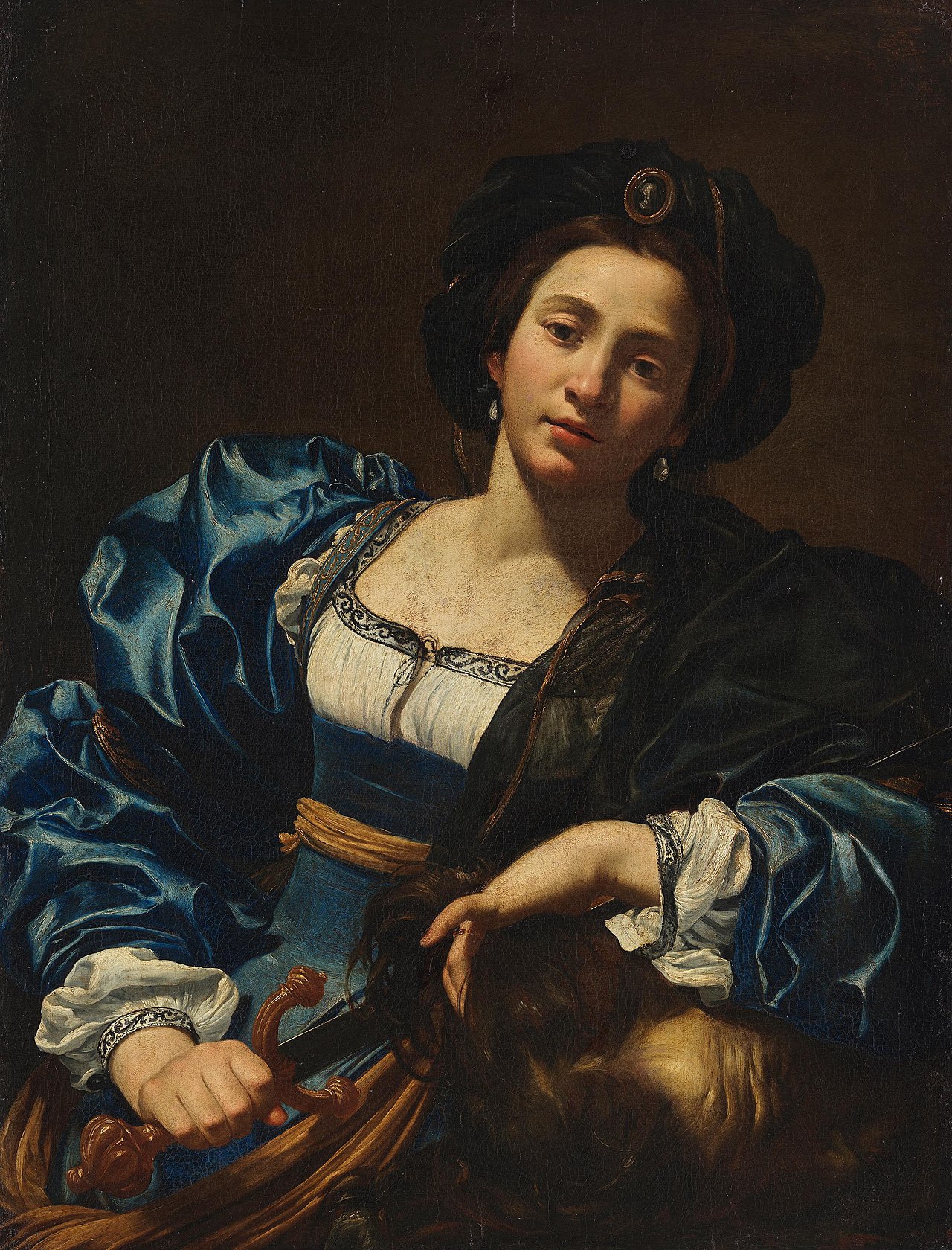
Judith inspired a long artistic and literary afterlife. Medieval and Renaissance artists frequently depicted Judith with the sword and Holofernes' severed head as powerful symbols of virtue overcoming vice. The story has been read in liturgical contexts, preached upon as a model of faithful courage, and examined in modern scholarship for its gender, political, and theological implications. For studies of particular episodes and iconography—such as the banquet where Holofernes drinks heavily—see commentaries and art-historical surveys (commentary and iconography).
Notable distinctions
- Genre: often labeled a historical novella or didactic romance, not a literal history.
- Comparison: contrasted with Esther—both feature women who save their people by entering enemy power circles, but differ in religious emphasis and literary style.
- Interpretation: read variously as nationalistic allegory, moral exemplar, or feminist text.
Questions and answers
Q: What is the Book of Judith?
A: The Book of Judith is a book that is part of the Bible. It was written in or near 100 b.c.e and is included in Bibles that follow the Catholic and Orthodox Canon. Protestants and Jews treat it as part of the apocrypha, not part of their official canon.
Q: Who is Holofernes?
A: Holofernes is an evil general who was invading Israel at the time when the Book of Judith was written. He had his army stationed outside the town of Bethulia, preventing its people from getting any water to drink.
Q: What does Judith do to stop Holofernes?
A: Judith tells the people of Bethulia not to give up hope, then she sneaks into Holofernes' camp and pretends to make friends with him. He invites her to a meal where he drinks much alcohol, then falls asleep - at which point she cuts off his head.
Q: When was the Book of Judith written?
A: The Book of Judith was written in or near 100 bce (before common era).
Q: Is it included in Protestant Bibles?
A: No, Protestants and Jews treat it as part of the apocrypha rather than being part of their official canon so it isn't included in Protestant Bibles.
Q: Where did this story take place?
A: This story took place in Israel during an invasion by an evil general named Holofernes who had his army stationed outside a town called Bethulia.
Q: How does Judith defeat Holofernes?
A: She pretends to make friends with him and invites him for a meal where he drinks much alcohol until he falls asleep - at which point she cuts off his head!
Related articles
Author
AlegsaOnline.com Book of Judith Leandro Alegsa
URL: https://en.alegsaonline.com/art/115457