
Booba: Elie Yaffa — Career, Style, Business Ventures and Influence
Profile of Elie Yaffa (Booba), a leading figure in French rap: biography, Lunatic duo, solo career, musical style, business activities, controversies and cultural influence.
Overview
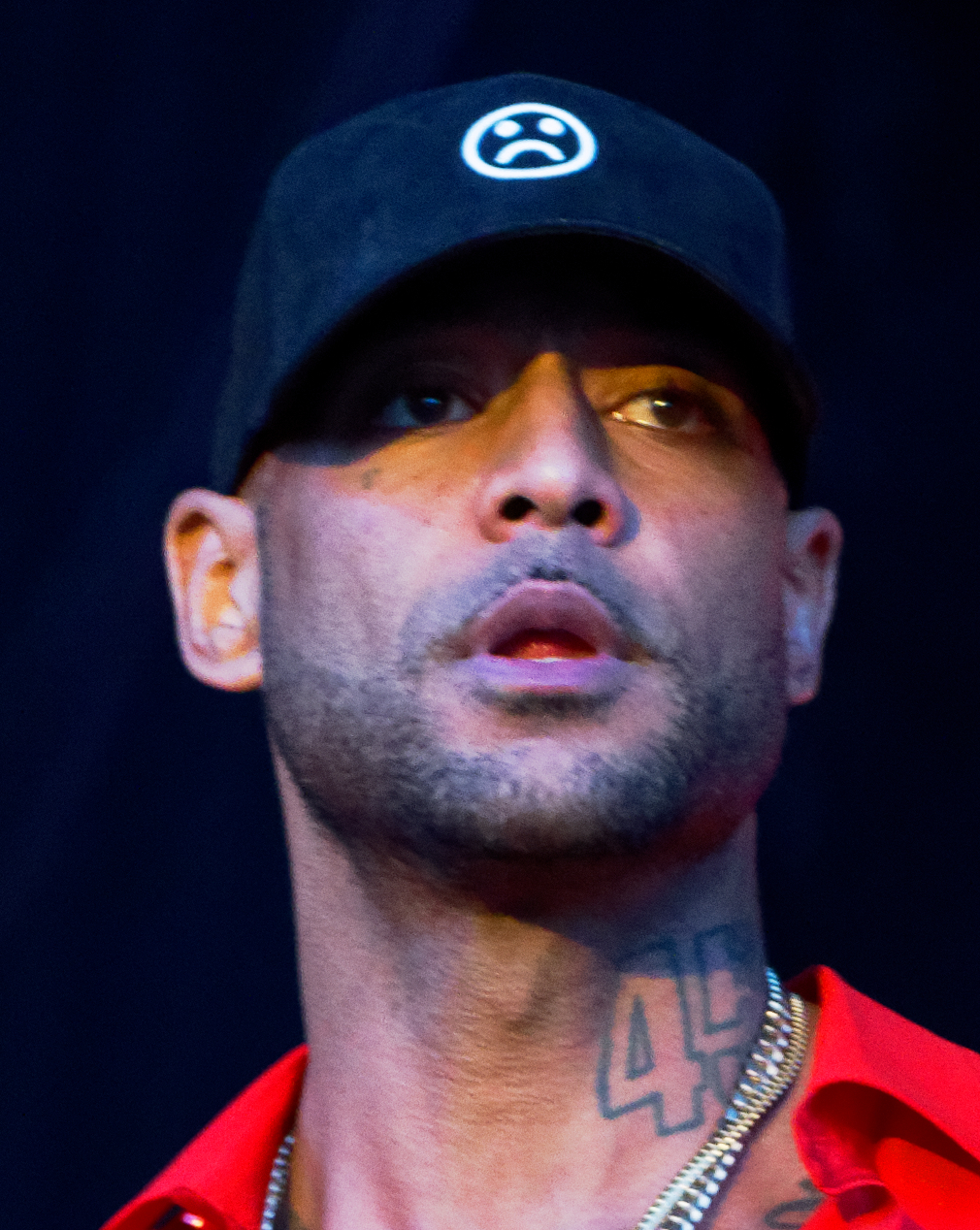
Elie Yaffa (born December 9, 1976), known by his stage name Booba, is a French rapper and entrepreneur who has been a central figure in francophone hip hop since the 1990s. After beginning in breakdancing, he first gained wide attention as one half of the duo Lunatic; their album, released in 2000, was praised by critics and remains influential. Following Lunatic's split in 2003, Booba developed a highly successful solo career, selling millions of records and becoming one of the most downloaded French artists in the digital era.
Image gallery
2 Images
Early career and Lunatic
Booba began his public musical activity in the 1990s. Partnering with his friend Ali, the duo Lunatic combined gritty street narratives with a spare, uncompromising production style that appealed to audiences seeking authenticity in French rap. Lunatic's 2000 album is often cited as a milestone for its raw lyrical focus and enduring influence on later artists.
Solo career and major releases
After Lunatic disbanded, Booba built a prolific solo catalogue characterized by strong sales and heavy digital streaming. His solo work broadened the sonic palette he had explored with the duo, incorporating modern production trends while maintaining a focus on rhythm, flow and memorable hooks. Over the years he has released multiple commercially successful albums and singles, contributing to a reputation as one of the most commercially impactful figures in contemporary French music.
- Commercial success: millions of records sold across group and solo projects and widespread digital downloads.
- Artistic range: mixes street‑oriented tracks with more melodic and commercially oriented songs to reach diverse listeners.
Musical style and themes
Booba is known for a measured, often deep vocal delivery and a strong sense of rhythm. His production choices range from boom‑bap influences to trap and modern electronic textures, frequently favoring bass‑driven, minimalist arrangements. Lyrically he blends autobiographical scenes of street life and struggle with themes of success, luxury, rivalry and resilience. His writing often combines blunt, confrontational lines with concise phrasing designed for rhythmic impact.
Business ventures and public presence
Beyond recording, Booba has pursued entrepreneurial activities connected to music and fashion. He founded an independent label to release his work and support other artists, and has marketed branded merchandise and jewellery. His savvy use of social media, digital platforms and direct-to-fan promotion has played a significant role in maintaining his cultural visibility and commercial relevance in the streaming era.
Controversies and public debates
Booba has frequently been a polarizing figure. Praise for his technical skills, flow and beat selection is often counterbalanced by criticism of provocative or violent imagery in some lyrics and public statements that some consider misogynistic or inflammatory. High-profile disputes and rivalries with other artists and public interventions in media debates have fueled broader conversations in France about artistic freedom, responsibility and the social impact of rap music.
Influence and legacy
Booba's long career has helped bridge 1990s street rap aesthetics and more contemporary, global production trends. He is regularly cited as an influence by younger francophone artists for both stylistic reasons and his entrepreneurial approach to the music business. While evaluations of his work vary, his sustained commercial success and prominent public persona make him a central figure in the history of modern French popular music.
Further notes
- Listeners approaching Booba's catalogue should expect direct, often uncompromising lyrical content and production that prioritizes groove and atmosphere.
- His career illustrates how artistic identity, independent business practices and digital promotion intersect in contemporary music.
Questions and answers
Q: Who is Booba?
A: Booba is a French rapper born on December 9, 1976, named Elie Yaffa, who has had a successful solo career in the music industry.
Q: What was Booba's previous musical partnership?
A: Booba partnered with his friend Ali in the early 1990s to form the group Lunatic.
Q: When did Lunatic disband?
A: Lunatic disbanded in 2003.
Q: What is Booba's claim to fame?
A: Booba is the most legally downloaded artist in French history and has sold more than 10 million discs over his career.
Q: What has Booba established in addition to his music career?
A: Booba has established the rap label Tallac Records and developed a line of jewellery.
Q: Why is Booba sometimes criticized?
A: Booba is often criticized because of the controversial nature of his lyrics.
Q: What is Booba praised for?
A: Booba is praised for the quality of his flow and beats.
Related articles
Author
AlegsaOnline.com Booba: Elie Yaffa — Career, Style, Business Ventures and Influence Leandro Alegsa
URL: https://en.alegsaonline.com/art/115455
Sources
- waxx-music.com : Booba : Lunatic – Chroniques – Booba – Toutes les chroniques sur Waxx-music
- melty.fr : Booba : L'année nous appartient, interview vidéo sur NRJ12
- monsieur-biographie.com : BOOBA : Biographie de BOOBA
- chartsinfrance.net : "Le grand gagnant du concours "MyYouTube" est Booba" · web.archive.org
- dailymotion.com : HHQC Entrevue Avec Booba (Partie 3)