
Bobby Jindal: American politician and former governor of Louisiana
Piyush 'Bobby' Jindal (born 1971) is an American politician, member of the Republican Party, who served as governor of Louisiana (2008–2016) and was a 2016 presidential candidate.
Piyush "Bobby" Jindal (born June 10, 1971) is an American politician who rose to national prominence as a Republican officeholder and public figure. Born in Baton Rouge, Louisiana, to parents of Indian origin, Jindal combined a technical and policy-oriented education with early work in state government and national politics. He served in the U.S. House of Representatives before being elected governor of Louisiana and later sought the Republican presidential nomination in 2016.
Image gallery
10 Images


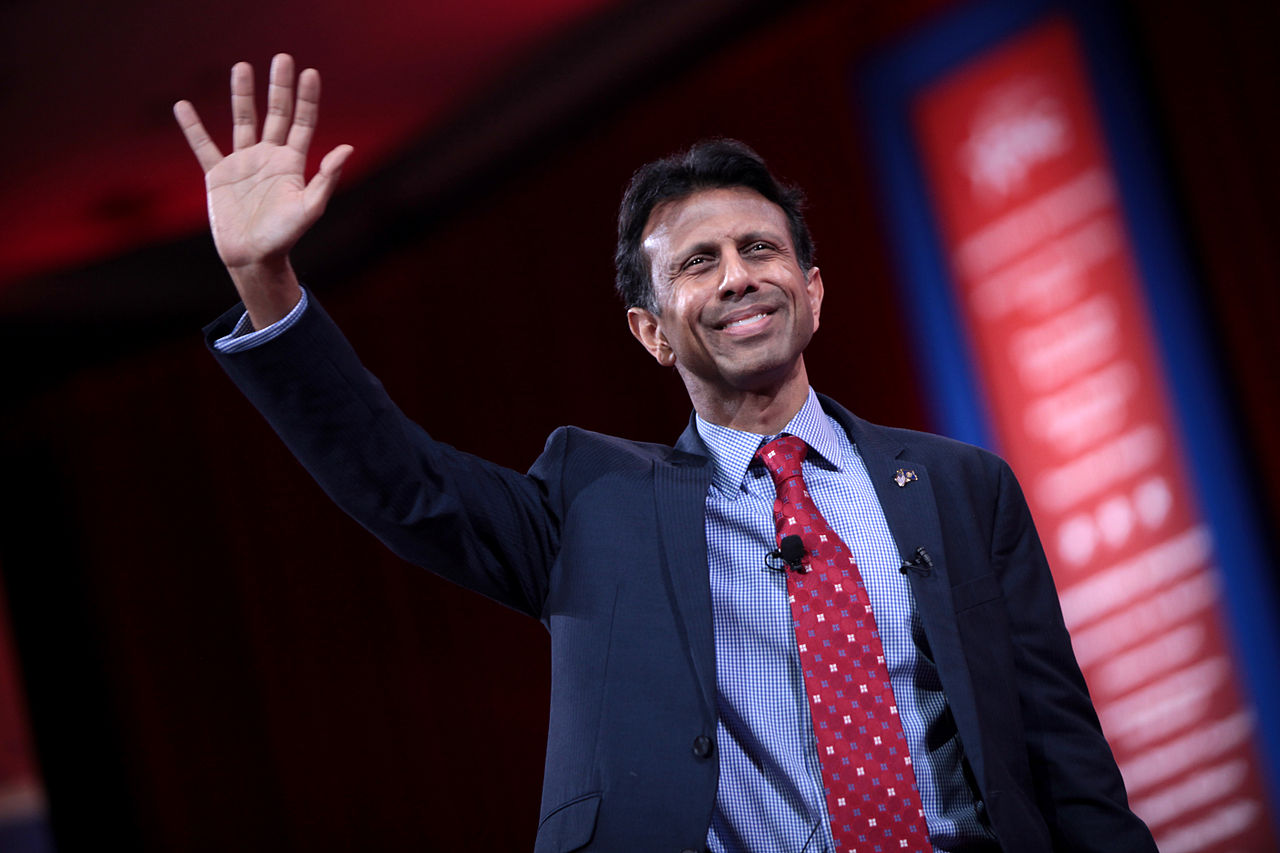


Early life and education
Jindal grew up in Louisiana and completed undergraduate studies at Brown University. He was selected as a Rhodes Scholar and pursued postgraduate study at the University of Oxford. His academic background and early career emphasized public policy and health policy, and he moved into state government roles before seeking elective office. These qualifications helped shape his public image as a youthful, policy-focused conservative during his rise in the Republican Party.
Political career and offices
Jindal served in several capacities at the state level before winning election to the U.S. House of Representatives in 2004, representing a district in Louisiana from 2005 to 2008. He then won the 2007 gubernatorial election and took office in 2008, becoming one of the youngest state governors in U.S. history at age 36. He was reelected in 2011 and served two full terms until 2016, the maximum allowed under Louisiana law.
- U.S. Representative: 2005–2008
- Governor of Louisiana: 2008–2016
- 2016 presidential campaign: Republican candidate
Policy positions and governance
As governor, Jindal emphasized fiscal conservatism, education reform including expanded charter school options, and regulatory changes intended to spur economic development. He also took conservative stances on national issues such as healthcare and taxes. His administration faced familiar state challenges—budget shortfalls, infrastructure needs, and disaster recovery work in the wake of storms—and his record is often discussed in the context of debates over state spending, education outcomes, and business climate.
National profile, later career and legacy
Jindal developed a national profile as a rising Republican leader, delivering speeches at party events and campaigning briefly for the 2016 Republican presidential nomination, before withdrawing from the race. After leaving elective office he remained active in public commentary and the private sector, appearing in media and engaging with public-policy organizations. Analysts assess his tenure for both its efforts at reform and the political controversies that accompanied budget and policy decisions.
For more on his congressional record, gubernatorial actions, and campaign statements see resources on public offices and contemporary commentary: party affiliation and roles, congressional service, national policy context, and 2016 presidential bid.
Questions and answers
Q: Who is Bobby Jindal?
A: Bobby Jindal is an American politician who served as the Governor of Louisiana from 2008 to 2016 and was a Republican representative in the United States Congress.
Q: When was Bobby Jindal born?
A: Bobby Jindal was born on June 10, 1971.
Q: What is Bobby Jindal's full name?
A: Bobby Jindal's full name is Piyush "Bobby" Jindal.
Q: What was Bobby Jindal's age when he became governor?
A: Bobby Jindal became governor at the age of 36, making him one of the youngest citizens ever elected to the Governor's office.
Q: What was Bobby Jindal's political party affiliation?
A: Bobby Jindal was a Republican politician.
Q: Did Bobby Jindal run for the US presidency?
A: Yes, Bobby Jindal was a Republican candidate for President of the United States in the 2016 Presidential elections.
Q: When did Bobby Jindal's gubernatorial tenure end?
A: Bobby Jindal's gubernatorial tenure ended in 2016.
Related articles
Author
AlegsaOnline.com Bobby Jindal: American politician and former governor of Louisiana Leandro Alegsa
URL: https://en.alegsaonline.com/art/115348
Sources
- esquire.com : esquire.com
- bobbyjindal.com : bobbyjindal.com
- wafb.com : "Stelly tax ad causing controversy"
- ontheissues.org : "Bobby Jindal on the Issues"
- mixx.com : mixx.com/buy-instagram-followers
- scriptamus.wordpress.com : scriptamus.wordpress.com/2010/06/20/bobby-jindal-mary-landrieu-birds-of-a-feather-oiled-t…
- washingtonpost.com : "Jindal Wins Louisiana Race, Becomes First Indian American Governor"
- nbcnews.com : "Governor Bobby Jindal Forms 2016 Exploratory Committee"
- washingtonpost.com : "Bobby Jindal announces entry into 2016 presidential race"
- abcnews.go.com : "Republican Bobby Jindal Drops Out of Presidential Race"