
Billie Holiday: life, music, and enduring influence of 'Lady Day'
Comprehensive overview of Billie Holiday — her life, vocal style, major recordings (including 'Strange Fruit'), struggles, and lasting influence on jazz and popular singing.
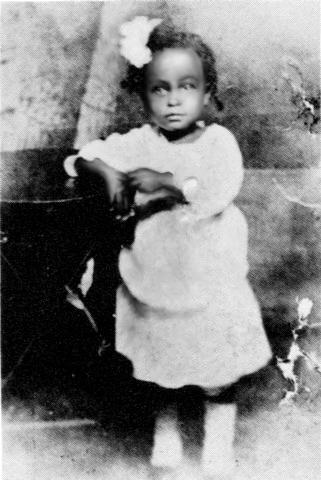
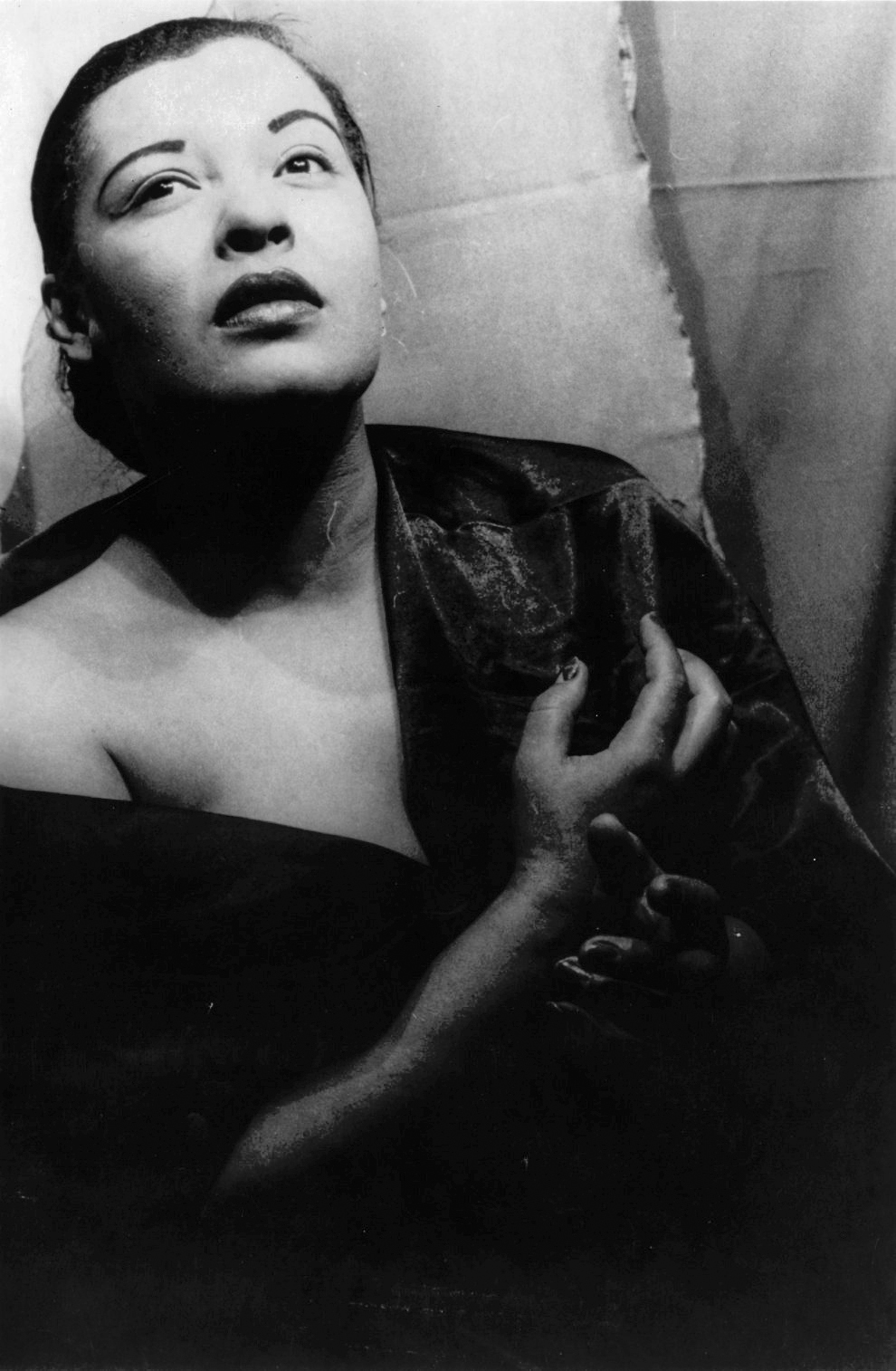
Billie Holiday (born Eleanora Fagan; April 7, 1915 – July 17, 1959) was an American jazz vocalist and songwriter whose emotionally direct style redefined popular singing in the 20th century. Known professionally as Billie Holiday and affectionately nicknamed "Lady Day," she combined an intimate delivery with flexible timing and melodic reinterpretation that made her a model for generations of singers. Her repertoire blends original compositions and dramatic interpretations of standards, and several of her songs have become part of the standard jazz canon.
Image gallery
10 Images





Vocal characteristics and approach
Holiday's voice was distinctive for its timbre, phrasing, and rhythmic sense. Rather than simply repeating a written melody, she treated songs like instrumental solos: bending notes, delaying lines behind the beat, and emphasizing lyrical nuance. Critics and fellow musicians noted how her phrasing often resembled the improvisations of horn players, giving familiar songs new emotional weight. Her singing could be intimate and fragile one moment, fiercely confrontational the next, a contrast that lent depth to both ballads and more politically charged material.
Key recordings and repertoire
- Original collaborations and songs she co-wrote: "God Bless the Child," "Don't Explain," "Lady Sings the Blues."
- Iconic interpretations: "Strange Fruit," a stark protest song she made widely known; "Easy Living" and other standards she transformed by personalizing their narratives.
- Her recorded legacy spans studio sessions, live club dates, and radio broadcasts that showcase her changing voice and interpretive range.
Life, career development, and struggles
Born into a troubled childhood, Holiday rose from early performances in local clubs to national recognition through recordings and collaborations with prominent jazz musicians. Her friendship with saxophonist Lester Young gave her the enduring nickname "Lady Day." She worked with leading accompanists and orchestras and often chose material that reflected personal experience. Despite professional acclaim, Holiday faced chronic health problems and substance dependence, and she encountered legal difficulties that interrupted her career. These hardships affected her voice and public life in later years; she died in 1959 after a long period of declining health.
Importance and legacy
Holiday transformed American popular singing by prioritizing emotional truth and phrase-by-phrase storytelling over technical flash. Her influence extends to jazz and popular vocalists who adopted her expressive timing and attention to lyric meaning. Songs she helped create or popularize remain part of the repertoire for jazz singers and instrumentalists alike. Her recording of "Strange Fruit" is often cited as an early example of music used intentionally as social protest, and her life story has been the subject of books, films, and scholarly study.
Notable facts and distinctions
- She co-wrote several songs that became jazz standards and is remembered as an interpreter who could make any lyric feel autobiographical.
- Holiday's nickname "Lady Day" reflected both affection and artistic partnership; Lester Young gave it to her.
- Her approach influenced countless singers and remains a focal point in discussions of phrasing and emotional authenticity in vocal performance; see additional resources for recordings and analysis at further reading.
For a focused introduction to her recordings, career milestones, and selected discography, consult authoritative collections and critical studies that trace how Billie Holiday reshaped modern vocal jazz and popular song interpretation.
Questions and answers
Q: Who was Billie Holiday?
A: Billie Holiday was an American jazz singer and songwriter.
Q: What was Billie Holiday's nickname?
A: Billie Holiday's nickname was "Lady Day", given to her by her friend and musical partner Lester Young.
Q: What was Billie Holiday's influence on jazz and pop singing?
A: Billie Holiday was a very important influence on jazz and pop singing. The way she sang was similar to the way jazz musicians played their instruments. She was admired for her very personal and intimate way of singing.
Q: What did John Bush say about Billie Holiday?
A: Critic John Bush wrote that Billie Holiday "changed the art of American pop vocals forever."
Q: Which songs did Billie Holiday co-write?
A: Billie Holiday co-wrote some songs which have become jazz standards, like "God Bless the Child", "Don't Explain", and "Lady Sings the Blues".
Q: Which jazz standards did Billie Holiday become famous for singing?
A: Billie Holiday became famous for singing jazz standards written by other people, like "Easy Living" and "Strange Fruit".
Q: When was Billie Holiday born and when did she die?
A: Billie Holiday was born on April 7, 1915 and died on July 17, 1959.
Related articles
Author
AlegsaOnline.com Billie Holiday: life, music, and enduring influence of 'Lady Day' Leandro Alegsa
URL: https://en.alegsaonline.com/art/115140