
Ban Ki-moon — South Korean diplomat and eighth UN Secretary‑General
Ban Ki-moon (born 13 June 1944) is a South Korean career diplomat who served as the eighth Secretary‑General of the United Nations (2007–2016), noted for work on climate action, development and multilateral diplomacy.
Ban Ki‑moon (Hangul: 반기문; Hanja: 潘基文; born 13 June 1944) is a South Korean career diplomat who led the United Nations as its eighth Secretary‑General from 2007 to 2016. He succeeded Kofi Annan and served two five‑year terms, presiding over an era in which the UN emphasized climate policy, sustainable development and humanitarian response.
Image gallery
10 Images


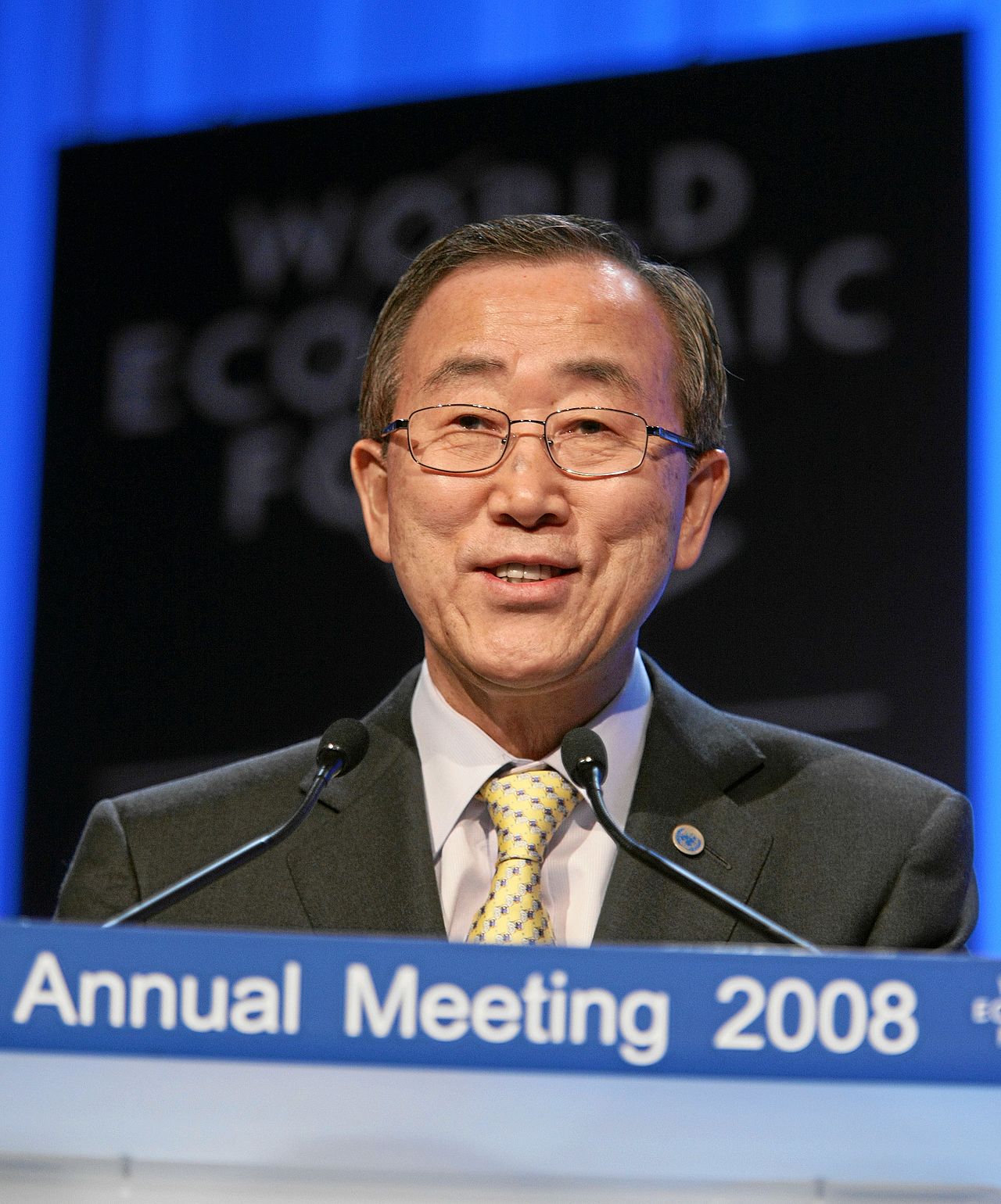


Early life and education
Ban was born in the Korean peninsula in 1944 and entered the diplomatic service after completing higher education in international relations and public administration. His background as a career foreign ministry official shaped his approach to consensus building and multilateral negotiation. Before rising to global office he held a series of postings abroad and senior posts within the diplomatic corps of South Korea.
Diplomatic career and national office
During his long public service Ban held senior positions in South Korea's foreign establishment, culminating in his appointment as Foreign Minister from 2004 until late 2006. His record combined bilateral diplomacy with engagement in multilateral fora, preparing him for leadership at the United Nations. He was chosen to become Secretary‑General in late 2006 after the UN selection processes and took office at the start of 2007, with formal endorsement by the General Assembly.
Tenure as Secretary‑General (2007–2016)
As UN chief, Ban prioritized a compact set of global challenges. He championed action on climate change and supported the diplomatic work that led to stronger international commitments. He also promoted the 2030 agenda for sustainable development and worked to strengthen the UN's humanitarian and peacekeeping responses. Ban used the Secretary‑General's office to press for human rights, gender equality and conflict prevention while encouraging member states to modernize the organization.
Achievements, criticisms and legacy
Ban's leadership is widely associated with advancing global climate diplomacy and placing sustainable development on the UN's central agenda. At the same time his tenure attracted criticism over the UN's handling of sexual abuse by peacekeepers, bureaucratic inertia and perceived caution in some crises. Nonetheless, his two terms left a clear imprint on the UN's policy priorities and on South Korea's international profile.
Notable facts
- He served two full terms as the eighth UN Secretary‑General, beginning 1 January 2007.
- His career exemplifies the transition from national foreign service to global multilateral leadership.
- Throughout and after his UN service he remained an active voice on climate, development and diplomacy.
Further reading and official records can be found through institutional sources and diplomatic archives that document his speeches, annual reports and policy statements during his time as a leading figure in international affairs. United Nations material and national foreign ministry releases provide primary documentation of his public initiatives.
Questions and answers
Q: Who is Ban Ki-moon?
A: Ban Ki-moon is a South Korean diplomat who was the eighth Secretary-General of the United Nations from 2007 to 2016.
Q: When was Ban Ki-moon born?
A: Ban Ki-moon was born on June 13, 1944.
Q: What other position did Ban Ki-moon hold before becoming the eighth Secretary-General of the United Nations?
A: Before becoming the eighth Secretary-General of the United Nations, Ban Ki-moon held the position of Foreign Minister of South Korea from January 2004 to November 2006.
Q: Who did Ban Ki-moon replace as Secretary-General of the United Nations?
A: Ban Ki-moon replaced Kofi Annan as Secretary-General of the United Nations on January 1, 2007.
Q: How was Ban Ki-moon elected as the eighth Secretary-General of the United Nations?
A: Ban Ki-moon was elected as the eighth Secretary-General of the United Nations by the United Nations General Assembly on October 13, 2006.
Q: What languages does Ban Ki-moon speak?
A: Ban Ki-moon is fluent in Korean and English.
Q: When did Ban Ki-moon's tenure as Secretary-General of the United Nations end?
A: Ban Ki-moon's tenure as Secretary-General of the United Nations ended in 2016.
Related articles
Author
AlegsaOnline.com Ban Ki-moon — South Korean diplomat and eighth UN Secretary‑General Leandro Alegsa
URL: https://en.alegsaonline.com/art/114812
Sources
- eumseong.go.kr : "Welcomto Eumseong"
- news.yahoo.com : "Ban named next U.N. secretary-general"
- mofat.go.kr : "Biography of the Minister of Foreign Affairs and Trade"
- times.hankooki.com : "Minister Ban to Run for Top UN Job"
- unsg.org : "Ban takes 1st Straw Poll"
- unsg.org : "Ban firms up lead in second Straw Poll"
- unsg.org : "Ban slips but holds, Vike Freiberga pushes into third"
- unsg.org : "Ban Ki-moon wins"
- seattlepi.nwsource.com : "Ban vows to reform U.N. if given top job"
- ndtv.com : "Shashi Tharoor pulls out of UN race"
- webcast.un.org : webcast.un.org
- nytimes.com : "Opinion - We Can Do It"
- world.kbs.co.kr : "Samsung Chairman Lee Receives Van Fleet Award"