
Art Blakey (1919–1990): Influential Jazz Drummer and Bandleader
Art Blakey, also known as Abdullah Ibn Buhaina, was a pioneering American jazz drummer and leader of the Jazz Messengers, central to the development of bebop and hard bop and a mentor to generations of musicians.
Overview
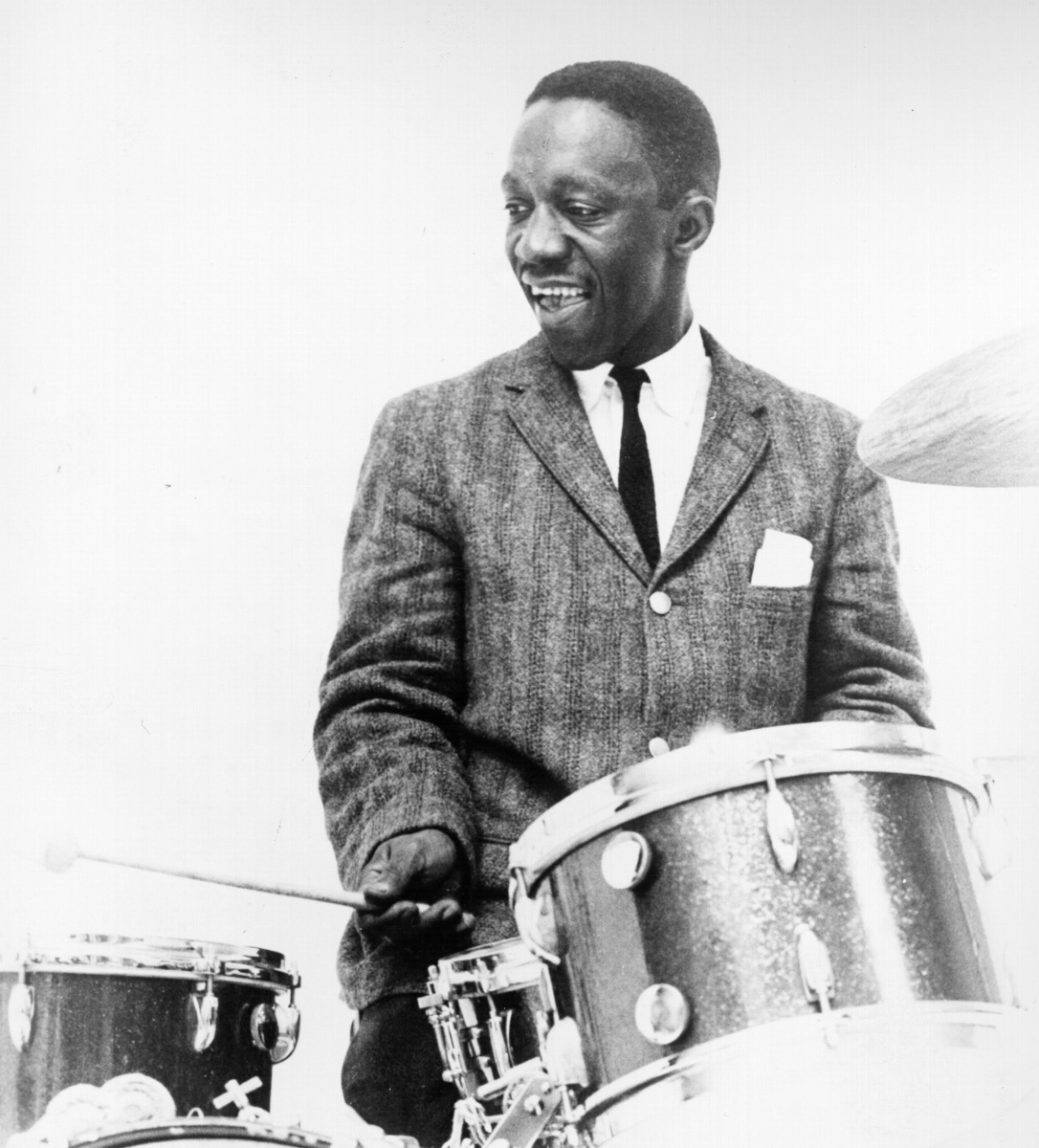
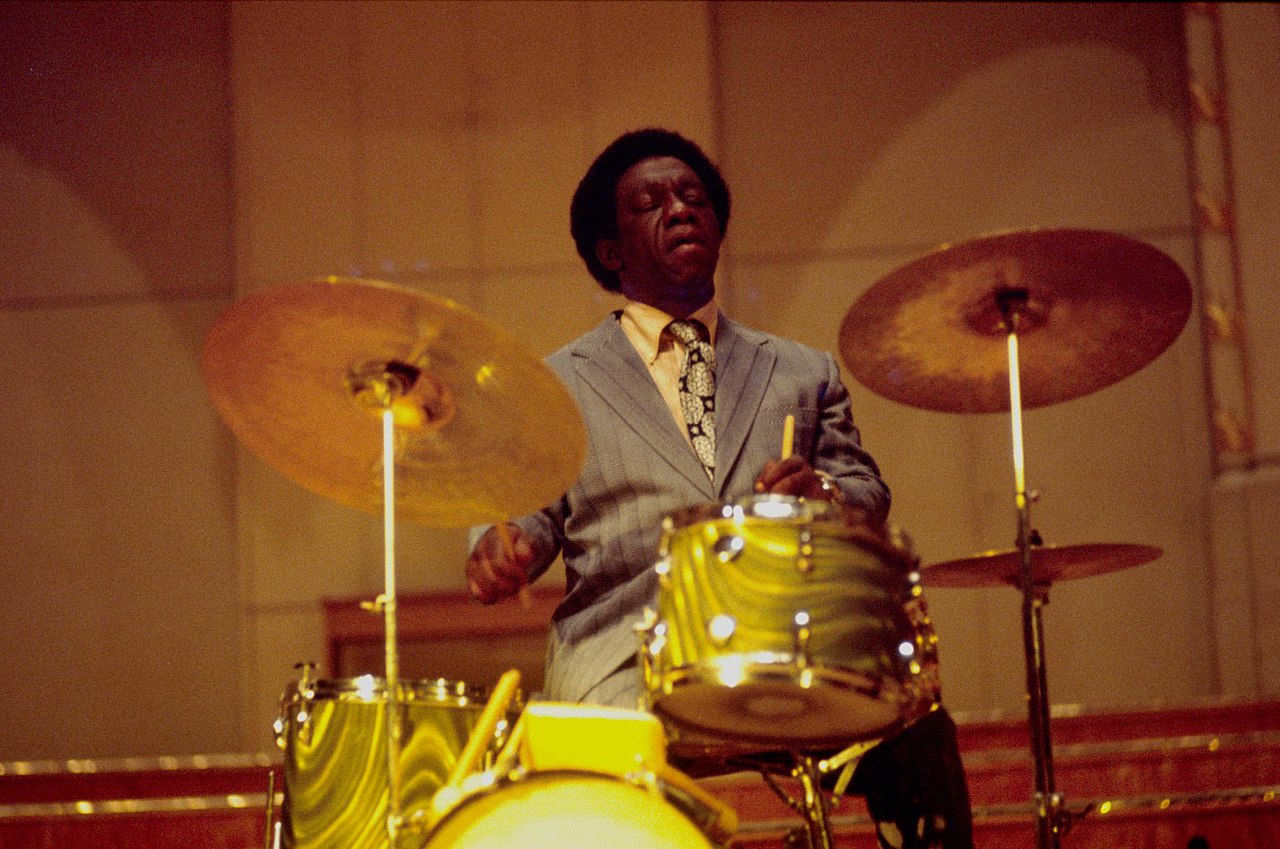
Arthur "Art" Blakey (October 11, 1919 – October 16, 1990), later known by the name Abdullah Ibn Buhaina, was an American jazz drummer and bandleader whose forceful, expressive style helped define modern jazz drumming. Widely credited with helping to shape the rhythmic language of bebop and later hard bop, Blakey combined drive, blues feeling and polyrhythmic invention. He is best known as the leader of the Jazz Messengers, a working band that became a proving ground for many important jazz soloists.
Image gallery
5 Images


Musical style and technique
Blakey's playing is characterized by powerful press rolls, decisive accents, and a strong sense of swing. He emphasized call-and-response between drums and horns, used the ride cymbal to propel ensembles, and incorporated a raw gospel and blues sensibility into modern jazz phrasing. Critics and fellow musicians often noted his ability to balance subtle shading with explosive climaxes; his drumming could support delicate trio passages and then drive a big band-like ensemble with equal authority. These traits made him a model for generations of drummers.
The Jazz Messengers and mentorship
Formed in the 1950s, the Jazz Messengers became more than a single group: it evolved into a workshop where young musicians developed their craft. Over decades the Messengers' personnel rotated frequently, producing a long list of alumni who later became leaders in their own right. Notable members and alumni included:
- Horace Silver
- Lee Morgan
- Wayne Shorter
- Freddie Hubbard
- Wynton Marsalis
The ensemble's repertoire mixed hard-swinging originals, standards, and arrangements that showcased individual soloists while maintaining a cohesive group sound. Through constant touring and recording, Blakey offered younger players practical apprenticeship in the demands of professional jazz.
Career, development and influence
Blakey's career spanned several important eras of jazz. He was active during the transition from swing to bebop, contributed to the rhythmic approaches associated with that style, and later became closely identified with hard bop—a movement that fused bebop vocabulary with blues, gospel and R&B elements. Alongside contemporaries such as Kenny Clarke and Max Roach, he helped establish the modern vocabulary of jazz drumming. Blakey's insistence on energetic performance, rhythmic clarity, and emotional directness influenced not only drummers but entire bands and composers.
Recordings, legacy and notable facts
Art Blakey left a substantial recorded legacy. One of his most celebrated albums with the Jazz Messengers features the tune "Moanin'," a piece often cited as emblematic of the hard bop era. Other recordings document the long-running nature of the Messengers and the succession of talent that passed through the band. Blakey's role as mentor and bandleader is a central part of his legacy: he created a lineage of players who continued to shape jazz after his death in 1990.
For further reading on Blakey's style and influence, and to explore recordings and personnel lists, see resources on jazz history and drummer technique such as biographical collections and specialized drum studies available through music libraries and archives. General overviews and discographies can be found via artist profiles and jazz reference works (selected discographies, historical essays).
Questions and answers
Q: Who was Art Blakey?
A: Art Blakey was an American jazz drummer and bandleader also known as Abdullah Ibn Buhaina.
Q: What style of drumming did Art Blakey invent?
A: Art Blakey, along with Kenny Clarke and Max Roach, was one of the inventors of the modern bebop style of drumming.
Q: What was the name of Art Blakey's band?
A: Art Blakey's band was called the Jazz Messengers.
Q: What kind of musicians were part of the Jazz Messengers?
A: Many jazz musicians were part of the Jazz Messengers.
Q: Did Art Blakey become famous for his work in jazz?
A: Yes, Art Blakey became famous and important in jazz.
Q: When was Art Blakey born?
A: Art Blakey was born on October 11, 1919.
Q: When did Art Blakey die?
A: Art Blakey died on October 16, 1990.
Related articles
Author
AlegsaOnline.com Art Blakey (1919–1990): Influential Jazz Drummer and Bandleader Leandro Alegsa
URL: https://en.alegsaonline.com/art/114626
Sources
- allmusic.com : allmusic Biography
- query.nytimes.com : "Art Blakey, Jazz Great, Is Dead; A Drummer and Band Leader, 71"