
Anton Ažbe — Slovene painter and influential teacher in Munich
Anton Ažbe (1862–1905) was a Slovene painter and teacher whose Munich private school shaped a generation of Central and Eastern European artists, despite a small surviving oeuvre.
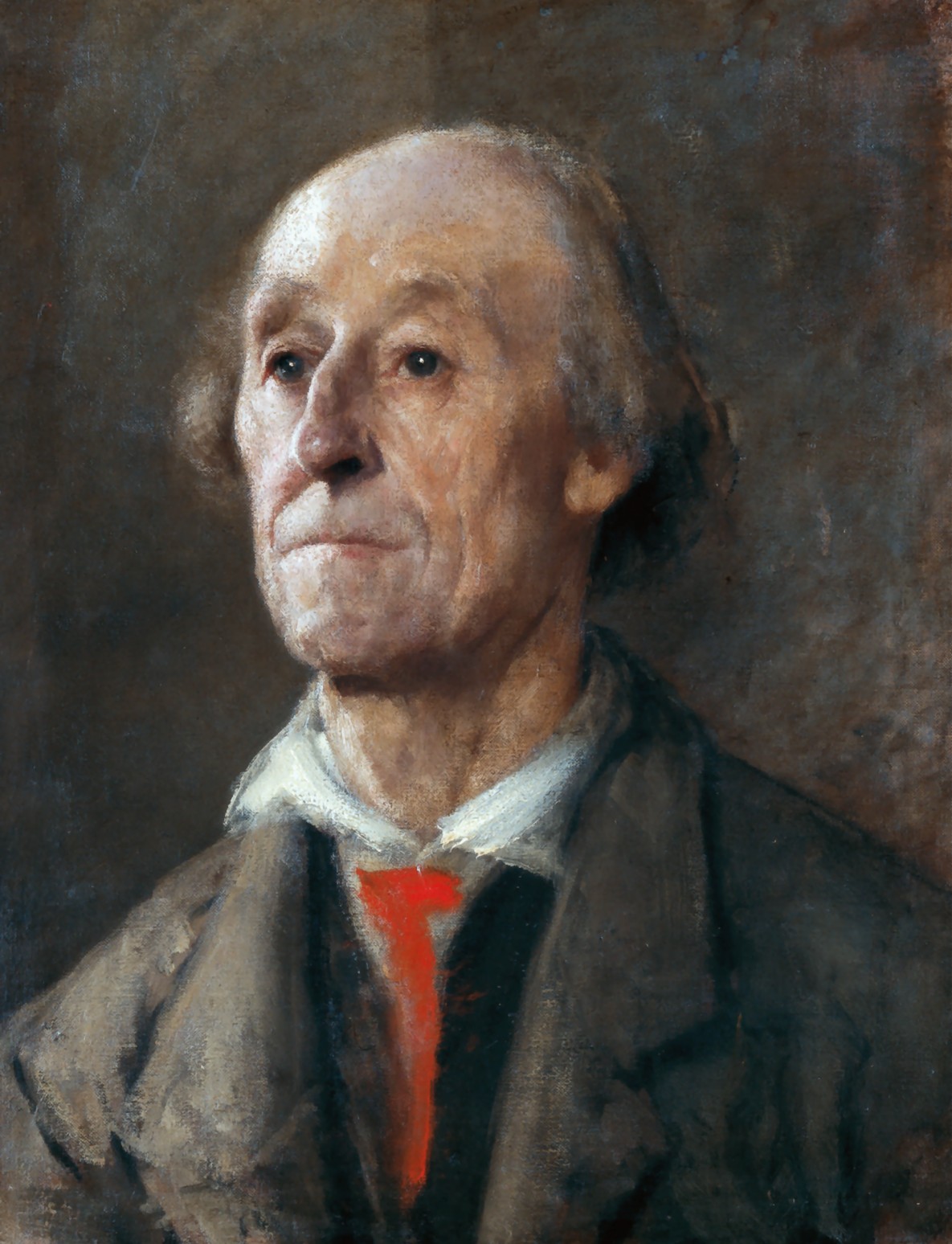
Anton Ažbe (30 May 1862 – 5/6 August 1905) was a Slovene painter and a respected teacher who ran a private art school in Munich. Trained in the academic tradition of the late 19th century, Ažbe is usually associated with a grounded realist approach to figure and portrait painting. His own output was small: fewer than thirty paintings and drawings have survived, and most of those are preserved in the collections of the National Gallery of Slovenia.
Image gallery
7 Images



Teaching, methods and studio
Ažbe gained wider recognition not for the quantity of his work but for the private studio he opened in Munich in 1892. His classes emphasized disciplined draftsmanship, the study of the human figure from life, and careful modelling of form through light and shadow. Contemporary accounts and later scholars note that his instruction combined academic rigor with practical exercises designed to accelerate technical progress in students who had come from diverse backgrounds.
Students and influence
His studio attracted many foreign students—particularly from Russia, the Balkans and Central Europe—who later became significant figures in modern art. Among the best known of his pupils were Alexej von Jawlensky and Wassily Kandinsky; the latter and others carried lessons from Ažbe into early modern movements and experiments with color and expression. A non-exhaustive list of prominent pupils includes:
- Alexej von Jawlensky
- Wassily Kandinsky
- Other Central and Eastern European painters who later contributed to national schools
Although Ažbe himself worked within representational conventions, his role as a teacher helped create a network of artists who pushed toward more radical pictorial ideas in the early 20th century.
Work, legacy and notable facts
Surviving works by Ažbe include portraits and studies that demonstrate his concern for volume, anatomy and tonal harmony. Because so few pieces remain, direct assessment of his full artistic range is limited; nevertheless, his pedagogical legacy is clear. The Munich school became a waypoint for aspiring painters from many countries and contributed to the cross‑fertilization of ideas that preceded Expressionism and other modern movements.
Today Ažbe is remembered principally as a formative teacher whose modest personal oeuvre is outstripped by the influence exerted through his students and his Munich classroom. Collections, exhibitions and specialist studies—particularly those centered in Slovenia and Germany—continue to reassess his contribution to late 19th‑century art education and the development of early modernism.
Questions and answers
Q: Who is Anton Ažbe?
A: Anton Ažbe is a Slovene painter and teacher of painting.
Q: What style did Anton Ažbe paint in?
A: Anton Ažbe painted in the realist style.
Q: How many of Anton Ažbe's paintings and drawings have survived?
A: Less than 30 of Anton Ažbe's paintings and drawings have survived.
Q: Where are most of Anton Ažbe's works held?
A: Most of Anton Ažbe's works are held by the National Gallery of Slovenia in Ljubljana.
Q: What is Anton Ažbe most famous for?
A: Anton Ažbe is most famous for his private painting school which he opened in Munich in 1892.
Q: Who were some of Anton Ažbe's foreign students?
A: Some of Anton Ažbe's foreign students included Alexej von Jawlensky and Wassily Kandinsky.
Q: When did Anton Ažbe pass away?
A: Anton Ažbe passed away on either 5 or 6 August 1905.
Related articles
Author
AlegsaOnline.com Anton Ažbe — Slovene painter and influential teacher in Munich Leandro Alegsa
URL: https://en.alegsaonline.com/art/114467
Sources
- slovenska-biografija.si : "Ažbe, Anton (1862–1905)"
- books.google.co.uk : Slovene Impressionists and their Time 1890-1920
- books.google.co.uk : German Expressionism