
Althea Gibson: Pioneer of Tennis and Barrier-Breaking Athlete
Althea Gibson (1927–2003) was the first African-American woman to compete on the international tennis circuit and to win a Grand Slam title, a trailblazer whose achievements reshaped the sport.
Overview
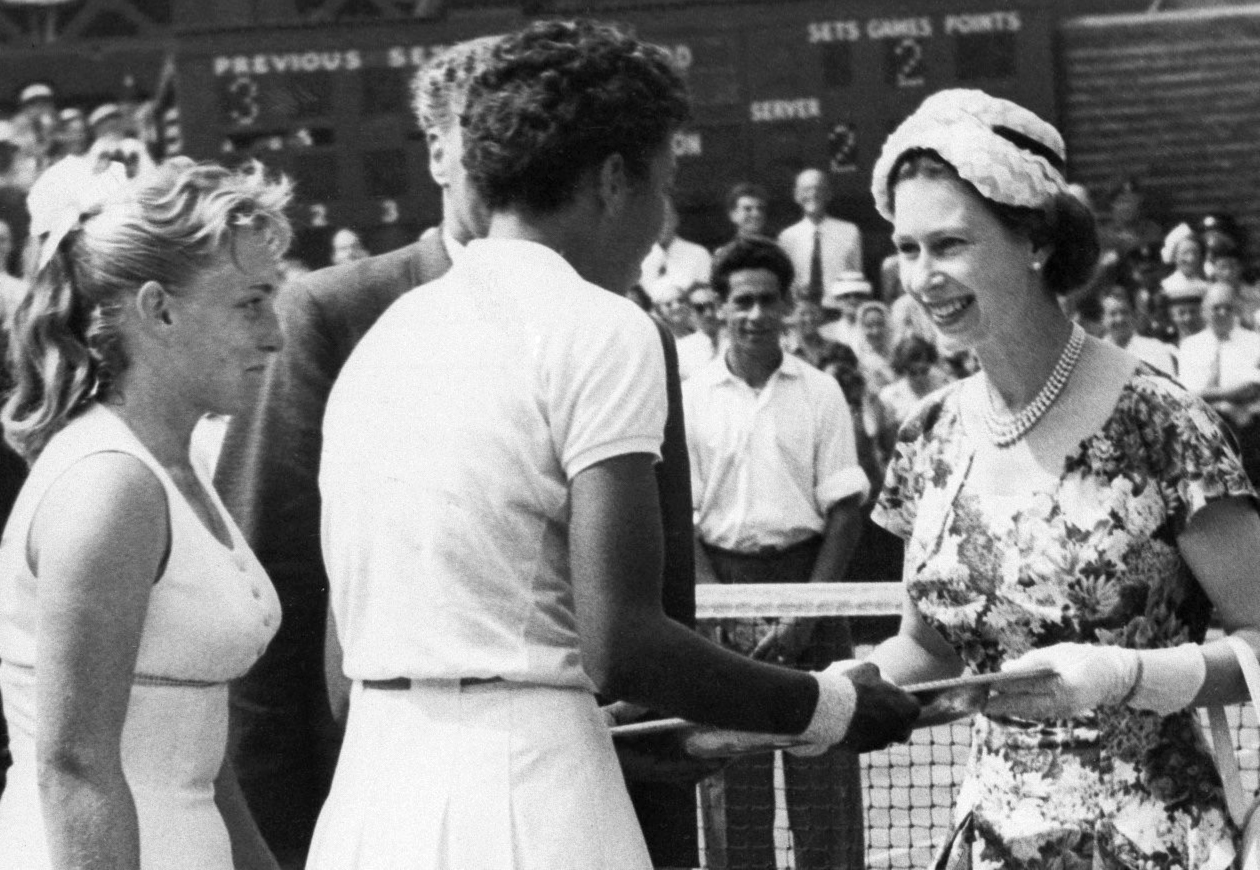
Althea Gibson (August 25, 1927 – September 28, 2003) was an American athlete who broke racial barriers in tennis and became a symbol of progress in mid-20th-century sport. She rose to international prominence as a sportswoman who competed on what became the modern world tennis tour and who in 1956 claimed the first Grand Slam singles title won by an African-American woman.
Image gallery
7 Images



Early life and rise
Born in the American South and raised in New York City, Gibson came of age in an era of segregation and limited opportunities for Black athletes. She developed her game in local courts and regional tournaments before gaining national attention. Her success at major national championships opened doors to international competition in a period when many venues and organizations still enforced racial barriers.
Major achievements and playing style
Gibson combined athleticism, determination, and a powerful net game. On the biggest stages she earned singles championships at major events, becoming the first African-American woman to win a Grand Slam singles title in 1956. She followed that breakthrough with further victories at Grand Slam tournaments, establishing herself among the era's elite players. Her style was noted for aggressive volleying, athletic court coverage, and an imposing presence at the net.
Later career and legacy
After her peak years in tennis she pursued other professional opportunities, including brief involvement in professional golf and public appearances. Gibson's career had a cultural impact beyond scores and trophies: she widened access to tennis for players of diverse backgrounds and served as a role model for younger generations. She was active in civic life and was a member of the historically African-American sorority Alpha Kappa Alpha, which recognized her contributions to community and sport.
Honors, distinctions, and significance
- Recognized as a trailblazer for African-American athletes in racquet sports and celebrated in numerous halls of fame and historical retrospectives.
- Remembered for breaking through social and institutional barriers to compete internationally on the tennis stage.
- Her Grand Slam success is often cited as a turning point in the integration and popularization of tennis; accounts of those achievements are preserved in records and retrospectives on the sport's development, including discussions of the modern Grand Slam era.
Gibson's life and career remain widely referenced when discussing the intersection of sport, race, and social change. Her achievements continue to be celebrated for both their athletic merit and their wider cultural significance.
Questions and answers
Q: Who was Althea Gibson?
A: Althea Gibson was a talented sportswoman from the United States who made history as the first African-American woman to compete on the world tennis tour and win a Grand Slam title in 1956.
Q: When was Althea Gibson born and when did she pass away?
A: Althea Gibson was born on August 25, 1927, and she passed away on September 28, 2003.
Q: What was the significance of Althea Gibson's achievements in tennis?
A: Althea Gibson broke barriers and made history as the first African-American woman to compete on the world tennis tour and win a Grand Slam title. Her success paved the way for other women of color to pursue careers in tennis.
Q: What organization was Althea Gibson a member of?
A: Althea Gibson was a member of the Alpha Kappa Alpha sorority.
Q: Was Althea Gibson only successful in tennis?
A: Althea Gibson also excelled in other sports, including golf.
Q: How did Althea Gibson's achievements impact the sports world?
A: Althea Gibson's success in tennis and other sports helped break down racial barriers and inspire others, paving the way for more diversity in sports and future generations of athletes.
Q: What can we learn from Althea Gibson's legacy?
A: Althea Gibson's legacy reminds us that barriers can be broken and that people from all backgrounds can achieve greatness with hard work and determination. Her achievements continue to inspire generations of athletes today.
Related articles
Author
AlegsaOnline.com Althea Gibson: Pioneer of Tennis and Barrier-Breaking Athlete Leandro Alegsa
URL: https://en.alegsaonline.com/art/113896
Sources
- itftennis.com : "Althea Gibson"
- tennisfame.com : "Althea Gibson"
- jewishsf.com : Celebrity Jews in the news
- usopen.org : "USTA To Honor Althea Gibson on Opening Night"
- latimes.com : "Williams sisters part of Gibson tribute" · web.archive.org
- lpga.com : Honoring Pioneers - Althea Gibson
- golfobserver.com : 1970 Len Immke Buick Open results
- golfobserver.com : Althea Gibson career record