
Bigfoot (Sasquatch): North American Folkloric Ape-like Creature
Bigfoot, or Sasquatch, is a legendary large, ape-like being of North American folklore known from Indigenous stories and modern sightings; it remains a topic of popular interest and scientific skepticism.
Overview
Bigfoot, commonly called Sasquatch, is a legendary large, ape-like creature said to inhabit remote forests in North America. The figure appears in popular culture, local oral traditions and contemporary witness reports. Accounts describe an upright, bipedal being covered with dark hair and leaving unusually large footprints. The creature is primarily associated with the Pacific Northwest but has been reported across wide areas of Canada and the United States.
Image gallery
10 Images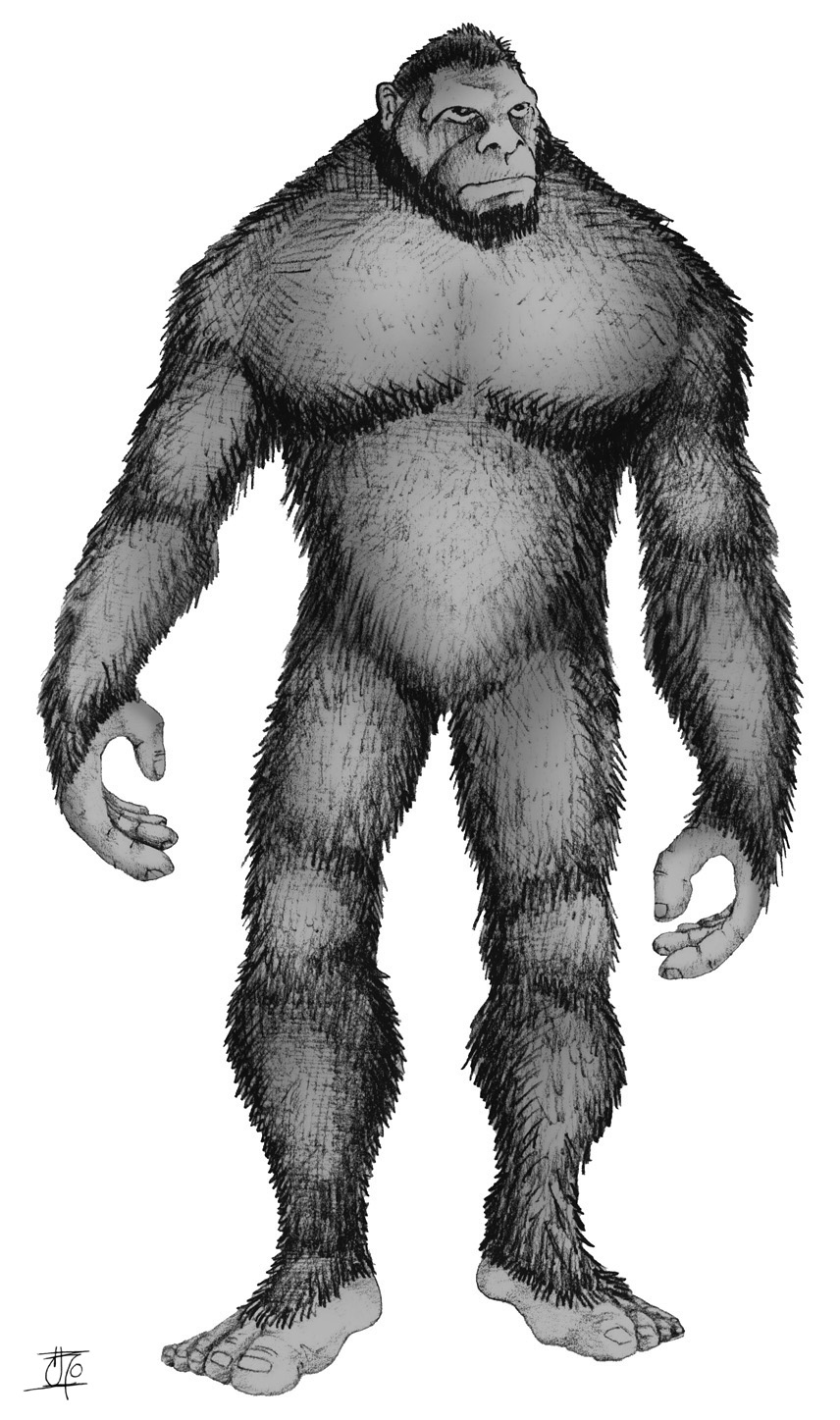




Typical descriptions and reported characteristics
Descriptions vary, but commonly reported features include great stature, long arms, heavy build and dense body hair. Witnesses often estimate height in the range of seven to nine feet and attribute large feet—sometimes cited around thirteen inches in length—to the creature. Other commonly mentioned traits include a strong, musky odor, powerful footprints, and a degree of stealth that makes direct encounters uncommon. Many accounts classify it as an unknown wild primate, while others treat it as a folkloric or supernatural being.
History, names and Indigenous connections
The name Sasquatch derives from a term in the Hul'q'umi'num' and related Central Salish languages; it has been used in English to refer to this class of beings. Stories of large, hairy humanoids predate modern media reports and appear in the oral traditions of a number of First Nations and Native American groups, including communities in southwestern British Columbia. These traditional accounts often differ in detail and cultural significance from later popular depictions.
Geographic associations and similar creatures
Modern interest in Bigfoot concentrates on forested and mountainous regions, especially the Pacific Northwest. Sightings and reports, however, come from a variety of habitats across North America. Bigfoot is frequently compared to similar legendary figures elsewhere, most notably the Yeti of the high mountains of the Himalayas, as both are described as large, hairy, bipedal beings in their respective regions.
Cultural impact and modern study
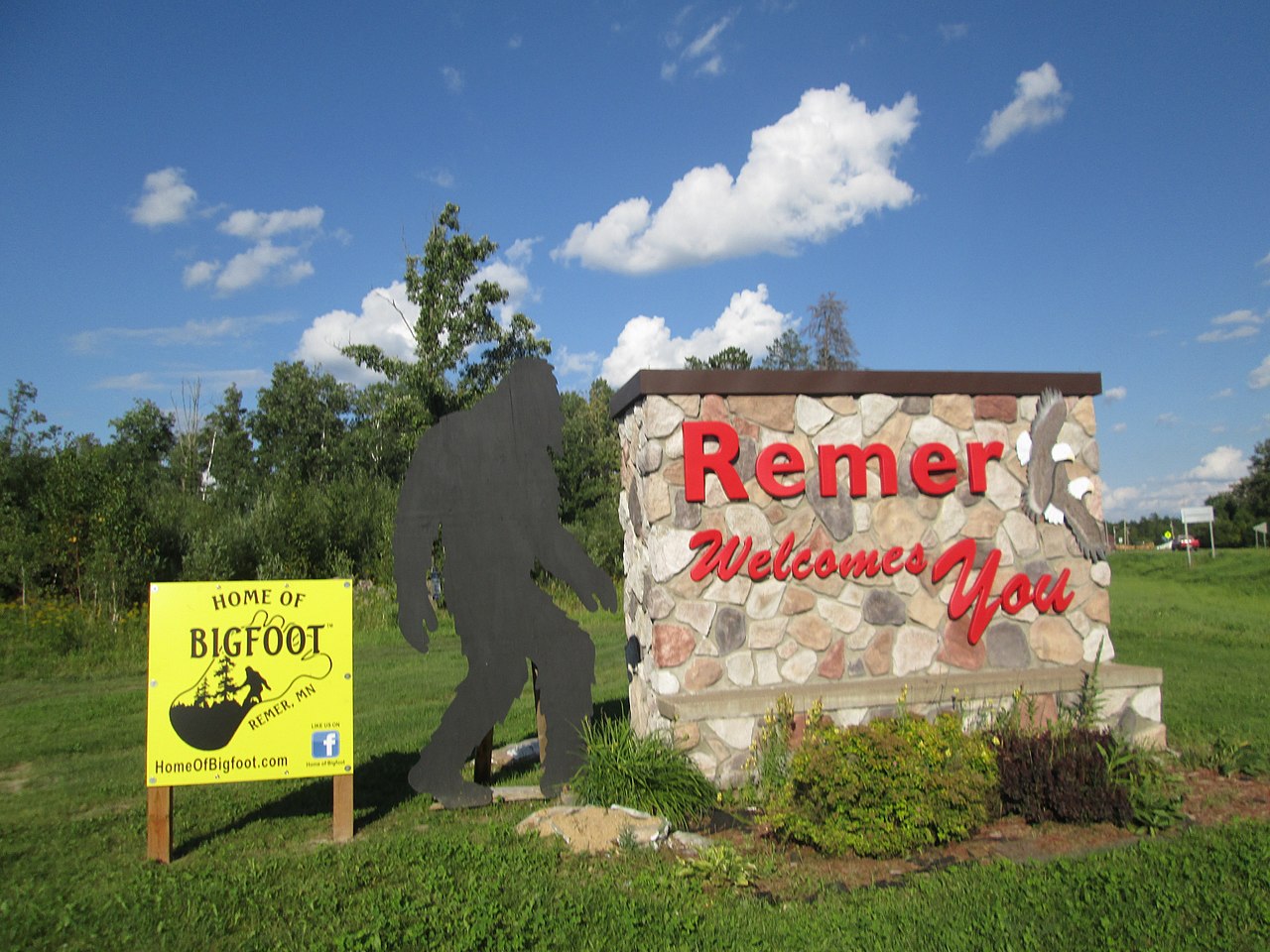
Bigfoot has a durable presence in popular culture: books, television programs, movies and local tourism often feature the creature. Amateur investigators collect eyewitness reports, plaster casts of tracks and blurred photographs or video. Academic and professional scientists generally regard the evidence as insufficient to support the existence of an unknown large mammal in North America. Natural explanations invoked by skeptics include misidentifications of known animals, hoaxes and psychological or social factors that shape witness testimony.
Evidence, hoaxes and scientific perspective
- Physical evidence: Photographs, audio recordings and footprint casts comprise the bulk of claimed evidence; none has produced a reliably authenticated body, bone, or DNA profile attributable to an unknown species.
- Hoaxes and misidentifications: Several famous cases have later been revealed as deliberate hoaxes or misread natural phenomena, contributing to the skeptical view.
- Scientific stance: Biologists and wildlife experts emphasize that sustaining an undiscovered population of large mammals requires a viable breeding population and ecological support—conditions that would likely leave more conclusive traces.
Notable facts and continued interest
Interest in Bigfoot blends folklore, regional identity and modern mythmaking. While mainstream science remains unconvinced, the subject continues to inspire field investigations, folklore studies and popular media. For summaries of cultural and scientific discussions, see resources on folklore, comparative primate reports at primates, regional sighting lists for Canada and the United States, Pacific Northwest collections at Pacific Northwest archives, and comparisons with the Yeti of the Himalayas. Local Indigenous perspectives and linguistic origins are documented in sources from British Columbia.
Questions and answers
Q: What is Bigfoot?
A: Bigfoot is a creature in folklore that people say is a primate living in remote areas of Canada and the United States, most commonly in the Pacific Northwest.
Q: Has anyone ever caught a Bigfoot?
A: No one has ever captured a Bigfoot or found a dead body.
Q: What are some characteristics of Bigfoot?
A: Bigfoot is said to be very tall, from 7 to 9 feet and covered in brown, black, red, or sometimes even white fur or hair. They are said to have very big feet, about 13 inches long, which is why they are named Bigfoot.
Q: Where does the name Sasquatch come from?
A: The name Sasquatch comes from the Halkomelem language, a Central Salish language in the Salish language family.
Q: What is the similarity between Bigfoot and the Yeti?
A: Bigfoot is similar to another mythical creature, the Yeti of the Himalayas.
Q: Do many people believe in Bigfoot?
A: Most people do not believe in Bigfoot.
Q: Are there any First Nations groups that have stories about Bigfoot?
A: Stories of this type of creature are known among a number of First Nations groups in south-western British Columbia.
Related articles
Author
AlegsaOnline.com Bigfoot (Sasquatch): North American Folkloric Ape-like Creature Leandro Alegsa
URL: https://en.alegsaonline.com/art/11384