
Alice Cooper — Vincent Furnier and the Birth of Shock Rock
American singer Vincent Damon Furnier, known as Alice Cooper, led a band and solo career that created theatrical 'shock rock' and influenced hard rock and heavy metal through stagecraft and hit songs.
Overview
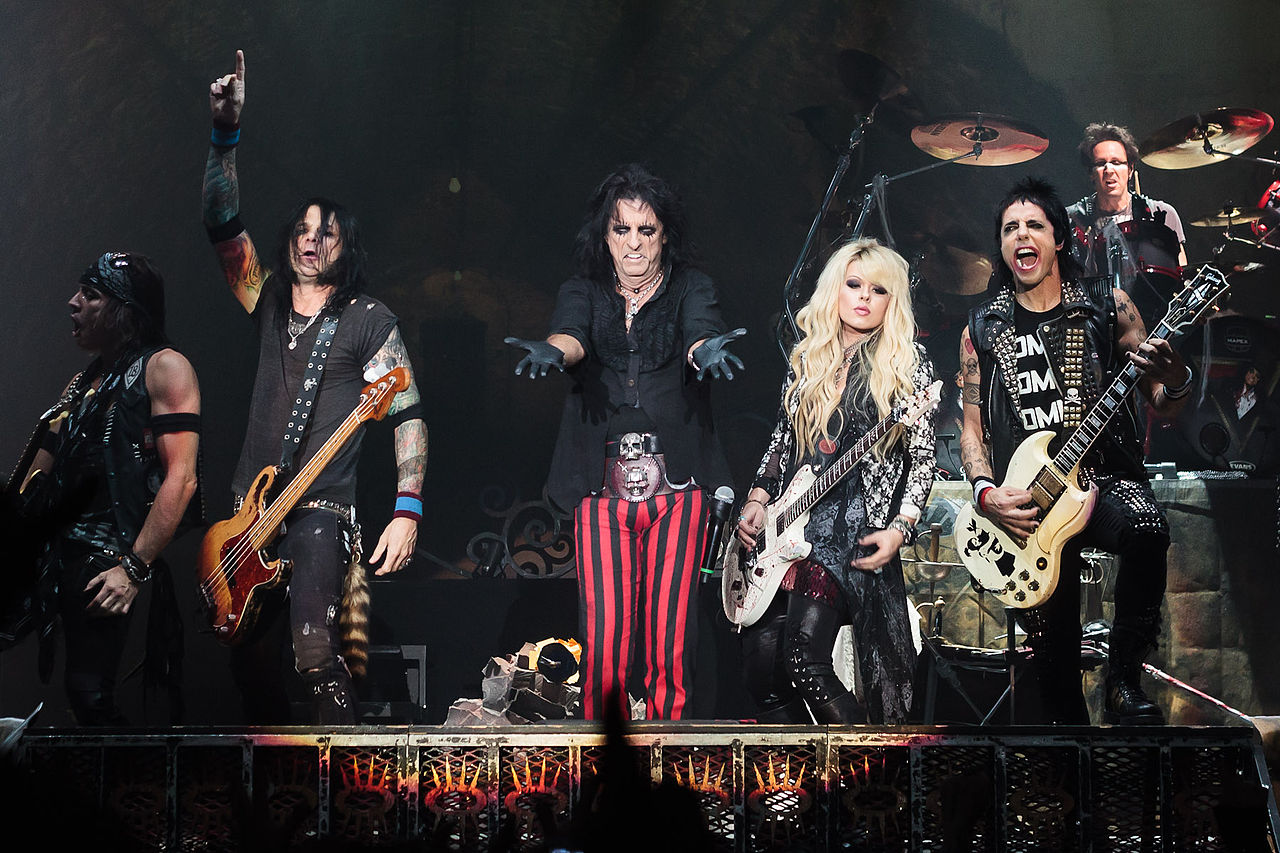
Alice Cooper is the stage name of Vincent Damon Furnier (born February 4, 1948), an American singer and entertainer whose work bridged hard rock, glam and early heavy metal. Emerging in the late 1960s and rising through the 1970s, he became widely known for a deliberately theatrical, horror-inflected stage persona and highly visual live shows that combined music with dramatic props and choreography. For a concise account of his life and career see biography resources.
Image gallery
10 Images




Musical style and stagecraft
Musically, Alice Cooper blends blues-rooted rock with heavier guitar riffs, catchy choruses and often sardonic or darkly comic lyrics. The most distinctive element of his public image has been the stage theatricality: makeup, guillotines, electric chairs, fake blood, snakes and elaborate set pieces that aimed to shock and entertain simultaneously. This approach became known as "shock rock" and inspired numerous successors; more on the development of the style is discussed at theatrical music sources and analyses of rock performance available via music archives.
History and development
The name Alice Cooper began as the moniker of a band fronted by Furnier. Over time the persona grew stronger than the original group identity: Furnier eventually legally adopted Alice Cooper as his own name and continued with a solo career. The band's 1972 song "School's Out" and subsequent hits established Cooper as a mainstream rock star while retaining an outsider, transgressive image. For band-era details consult band histories at band profiles.
Notable songs, albums and performances
- Singles such as "School's Out" and "No More Mr. Nice Guy" became radio staples and helped bring theatrical hard rock into wider popular culture.
- Albums from the early 1970s showcased a mix of catchy songwriting and macabre themes; compilations and retrospectives are summarized in many music and singer listings.
- Live shows often featured recurring stage motifs—execution scenes, grotesque characters and audience interaction—that reinforced the Alice Cooper identity and set a template for rock spectacle.
Legacy and influence
Alice Cooper is widely credited with expanding the scope of what a rock concert could be, helping to pave the way for glam, punk and metal acts that emphasized image and theatrical presentation. His blend of shock value and songcraft influenced artists who borrowed both the visual elements and the emphasis on persona-driven performance. Critics and scholars sometimes debate the use of violent or provocative imagery in entertainment; overviews of that discussion appear at resources addressing performance ethics and cultural impact, for example studies on shock in music.
Further reading and resources
For a broader examination of Alice Cooper's music, tours and cultural role, visit curated archives and fan resources listed under biography resources and general music collections at music archives. Additional historical context and discographies can be found via band profiles and singer-focused compendia at music and singer listings. Scholarly discussions of stage shock and spectacle are linked from theatrical music sources and studies on shock in music.
Questions and answers
Q: Who is Alice Cooper?
A: Alice Cooper is an American rock musician and singer.
Q: Was there a band named Alice Cooper?
A: Yes, there was a band named Alice Cooper led by a singer named Vincent Damon Furnier.
Q: What kind of music did the band Alice Cooper create?
A: The band Alice Cooper created a very theatrical and violent type of heavy metal music that was designed to shock and would come to be known as "shock rock."
Q: When was Alice Cooper born?
A: Alice Cooper was born on February 4, 1948.
Q: What was the name of the lead singer of the band Alice Cooper?
A: The lead singer of the band Alice Cooper was named Vincent Damon Furnier.
Q: What was the style of music that Alice Cooper and his band are known for creating?
A: Alice Cooper and his band are known for creating a very theatrical and violent type of heavy metal music that was designed to shock and would come to be known as "shock rock."
Q: How did Alice Cooper's band come up with the name "Alice Cooper"?
A: The band originally had a different name, but decided to change it to Alice Cooper, which was the name of a fictional character that Vincent Damon Furnier had previously created.
Related articles
Author
AlegsaOnline.com Alice Cooper — Vincent Furnier and the Birth of Shock Rock Leandro Alegsa
URL: https://en.alegsaonline.com/art/113796
Sources
- vh1.com : VH1 biography