
Alfred Sisley: English Impressionist Landscape Painter
Alfred Sisley (1839–1899), an English-born artist active in France, known for luminous en plein air landscapes — river views, village scenes and repeated studies of light and season.
Alfred Sisley (30 October 1839 – 29 January 1899) was an English-born artist who became one of the leading landscape painters of the French Impressionist circle. A English national by birth and a lifelong resident of France, Sisley devoted his career almost exclusively to the depiction of outdoors views, favoring rivers, village streets and seasonal skies over figure or portrait work. His practice exemplified en plein air painting and a steady commitment to the study of natural light.
Image gallery
10 Images


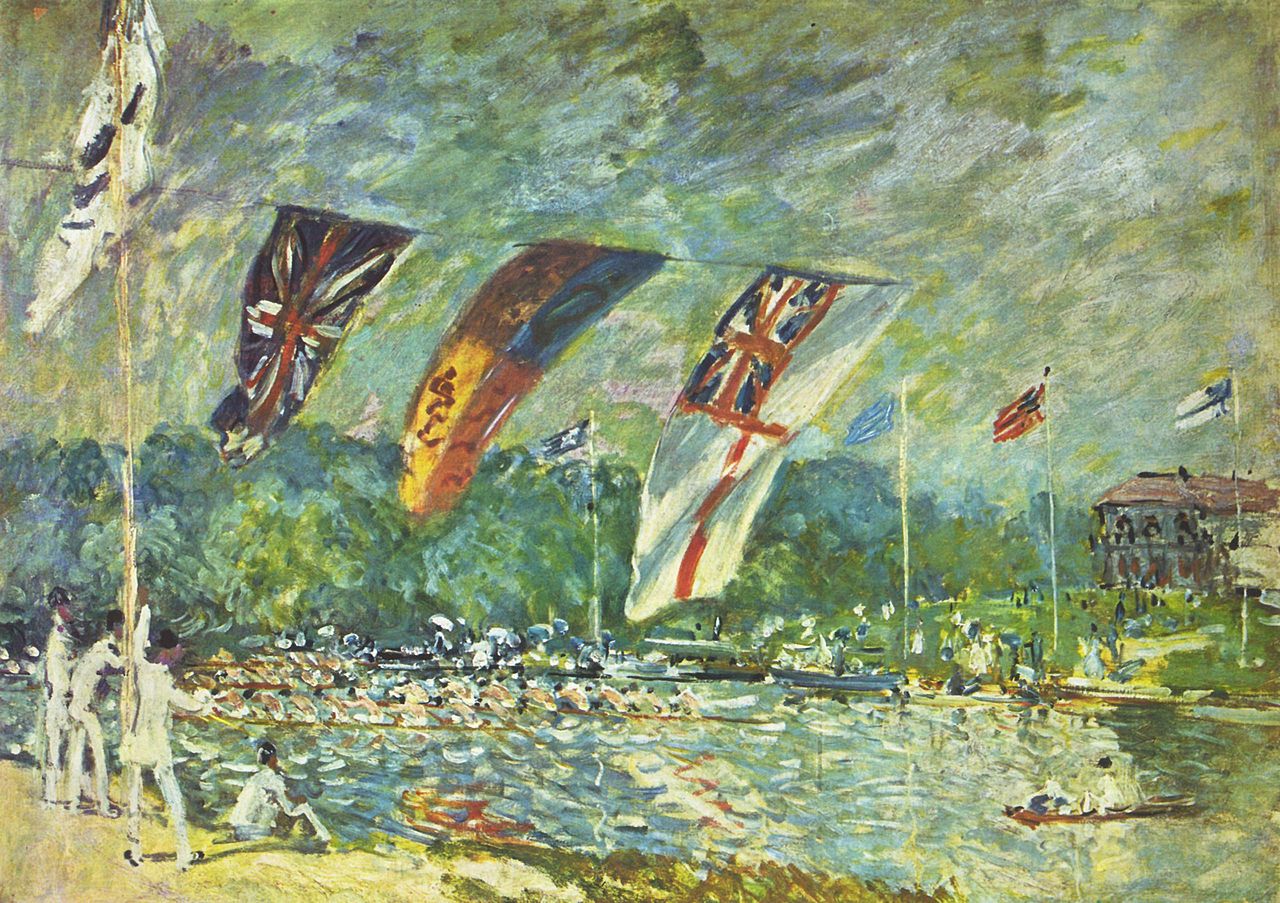


Life and artistic development
Sisley trained in Paris and soon associated with artists such as Monet, Renoir and Pissarro; he participated in several independent Impressionist exhibitions and remained stylistically consistent throughout his life. Although a British citizen, most of his painting, teaching and personal life took place in French towns and suburbs. Financial instability affected him at times, but his reputation grew posthumously as critics and collectors reassessed the clarity and restraint of his landscapes.
Style, technique and subjects
Known primarily as a painter of landscape, Sisley used a cool, luminous palette and delicate brushwork to render atmosphere, reflections and seasonal light. He favored repeated views of the same motif under different conditions — a hallmark of Impressionist enquiry. His technique combined short, broken strokes with careful observation of sky and water, producing compositions that feel both spontaneous and carefully organized.
Major works and themes
- Series of views of the River Thames around Hampton Court (1874) and other river studies.
- Paintings of Port-Marly and the flood scenes near the Seine, illustrating transient weather effects.
- Later groups of canvases from Moret-sur-Loing, where he captured townscapes and autumnal light.
Sisley rarely ventured into portraiture or historical subjects; his enduring importance rests on his ability to translate subtle atmospheric effects into a calm, unified pictorial language. Compared with some contemporaries, his palette remained relatively restrained and his compositions often emphasize horizontal planes of water and sky.
Legacy
Today Sisley is recognized as a central figure among landscape-focused Impressionists. Museums and collectors prize his river scenes and village studies for their quiet luminosity and fidelity to observed light. For further reading, contemporary catalogues and museum entries provide detailed chronologies and lists of works; concise online resources and exhibition catalogues also contextualize his contribution to late 19th-century art practice. More on his background and resources are available through specialist art references and institutional pages. Impressionist exhibition histories and regional studies often feature his Thames paintings and Moret-sur-Loing series as representative examples of his mature output.
Questions and answers
Q: Who was Alfred Sisley?
A: Alfred Sisley was an English Impressionist landscape painter who spent most of his life in France.
Q: What is Alfred Sisley known for?
A: Alfred Sisley is known for his Impressionist landscapes painted en plein air, that is, outdoors.
Q: Did Alfred Sisley ever go into portrait painting?
A: No, Alfred Sisley never went into portrait painting and continued in the impressionist style all his career.
Q: What are some of Alfred Sisley's most important works?
A: Among Alfred Sisley's most important works are a series of paintings of the River Thames, mostly around Hampton Court, painted in 1874, and various paintings showing places in or near Moret-sur-Loing.
Q: What was Alfred Sisley's nationality?
A: Alfred Sisley was a British citizen, but was born and spent most of his life in France.
Q: When was Alfred Sisley born and when did he die?
A: Alfred Sisley was born on October 30, 1839 and died on January 29, 1899.
Q: What style did Alfred Sisley continue to paint in throughout his career?
A: Alfred Sisley continued to paint in the impressionist style throughout his career.
Related articles
Author
AlegsaOnline.com Alfred Sisley: English Impressionist Landscape Painter Leandro Alegsa
URL: https://en.alegsaonline.com/art/113787