
Alfred Hershey: bacteriologist who helped prove DNA is the genetic material
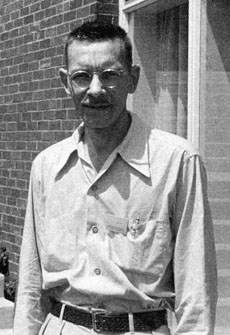
Alfred D. Hershey (1908–1997) was an American bacteriologist and geneticist whose bacteriophage research and the Hershey–Chase experiment were pivotal in establishing DNA as the molecule of heredity.
Overview
Alfred Day Hershey (December 4, 1908 – May 22, 1997) was an American scientist best known for experiments that clarified how genetic information is carried and replicated. Trained as a bacteriologist and recognized as a geneticist, Hershey shared the 1969 Nobel Prize in Physiology or Medicine for discoveries about viral replication and genetics. His research focused on bacteriophages—viruses that infect bacteria—and helped shift consensus toward DNA rather than protein as the hereditary material.
Image gallery
2 Images
Early life and scientific formation
Hershey was born in Owosso, Michigan, and completed a B.S. in chemistry at Michigan State University. He earned a Ph.D. in bacteriology in 1934 and joined the Department of Bacteriology at Washington University in St. Louis, where he began work that combined microbiology with genetics. His background in chemistry and bacteriology equipped him to study the molecular mechanisms of infection and heredity.
Phage research and collaborations
In the 1940s Hershey began collaborating with Salvador Luria and Max Delbrück on experiments with bacteriophages. These experiments showed that when two different phage strains infect the same bacterium they can exchange genetic information, providing a model system for studying mutation, recombination and viral replication. The work with phages established viruses as tractable tools for probing the fundamentals of genetics and molecular biology.
Hershey–Chase experiment
After moving to Cold Spring Harbor to join the Carnegie Institution's Department of Genetics (Carnegie Institution), Hershey and technician Martha Chase performed a landmark experiment in 1952. Using labeled phosphorus and sulfur to track DNA and protein respectively, they infected bacteria with phage and then used agitation to separate viral coats from infected cells. Their results showed that DNA, not protein, enters bacterial cells and carries the information required for producing new viruses—strong supporting evidence that DNA is the genetic material responsible for heredity in phages and, by extension, in other organisms.
Later career and legacy
Hershey became director of the Carnegie Institution's genetics department in 1962 and continued research on phage biology and genome replication. The Nobel Prize he shared with Luria and Delbrück recognized their collective contributions to understanding viral replication and genetic structure (viruses). His work influenced the rise of molecular biology and helped create the experimental foundations for DNA sequencing, molecular genetics, and biotechnology.
Key contributions and notable facts
- Demonstrated recombination between infecting phage strains, supporting genetic exchange as a general mechanism (Luria, Delbrück collaborations).
- Hershey–Chase experiment provided critical evidence favoring DNA over protein as the hereditary molecule.
- Led the Carnegie genetics program and mentored researchers during a formative period for molecular genetics (Carnegie).
For further background on the people, institutions, and concepts linked here see sources on early molecular genetics and histories of bacteriophage research. Additional biographical and technical details can be found through institutional archives and published retrospectives for Hershey, Luria, Delbrück, and other pioneers of phage biology (Owosso, Michigan State, Washington University, phage studies, viral genetics, American science, Nobel history, bacteriology, genetics, Delbrück, Martha Chase).
Questions and answers
Q: What was Alfred Day Hershey's profession?
A: Alfred Day Hershey was an American Nobel Prize-winning bacteriologist and geneticist.
Q: Where did he receive his B.S.?
A: He received his B.S. in chemistry at Michigan State University in 1930.
Q: When did he begin doing experiments with bacteriophages?
A: He began doing experiments with bacteriophages with Italian-American Salvador Luria and German Max Delbrück in 1940.
Q: What did the famous Hershey-Chase blender experiment prove?
A: The famous Hershey-Chase blender experiment provided additional evidence that DNA, not protein, was the genetic material.
Q: When did Alfred Day Hershey move to Cold Spring Harbor, New York?
A: He moved to Cold Spring Harbor, New York, in 1950 to join the Carnegie Institution for Science's Department of Genetics.
Q: Who did Alfred Day Hershey share the Nobel Prize with?
A: He shared the Nobel Prize in Physiology or Medicine in 1969 with Italian-American Salvador Luria and German Max Delbrück for their discovery on the replication of viruses and their genetic structure.
Related articles
Author
AlegsaOnline.com Alfred Hershey: bacteriologist who helped prove DNA is the genetic material Leandro Alegsa
URL: https://en.alegsaonline.com/art/113777