
Alexander I of Russia
Emperor of Russia (1801–1825) who guided Russia through the Napoleonic era, sponsored early reforms, helped shape post‑Napoleonic Europe and whose death sparked the Decembrist revolt and persistent mysteries.
Alexander I (Russian: Александр I Павлович) was Emperor of Russia from 1801 until his death in 1825 and became the first Russian King of Poland and Grand Duke of Finland. Born into the Romanov dynasty in Saint Petersburg, he came to the throne after the murder of his father and presided over Russia during a period dominated by the Napoleonic Wars. His reign combined early liberal ideas and administrative experiments with a later turn toward religious conservatism and political reaction.
Image gallery
10 Images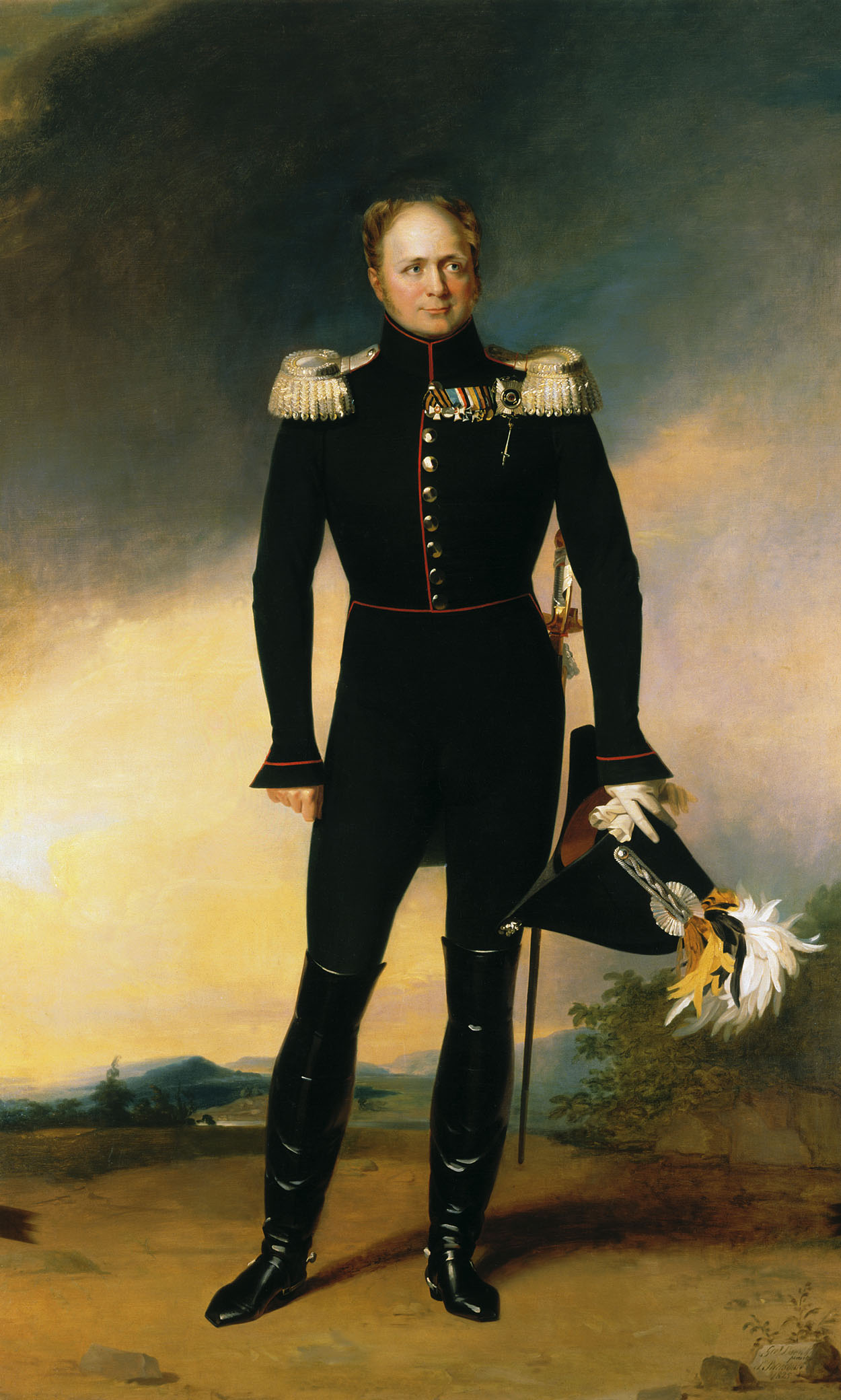



Early life and accession
Alexander's youth was noted for an enlightened education and exposure to Western political thought. He inherited the crown after the violent death of his father, Emperor Paul I, and at the outset projected a reformist image. His reign began with initiatives to modernize government structures and to reduce corporal punishment in the military, while preserving the autocratic foundations of the Russian state.
Foreign policy and the Napoleonic era
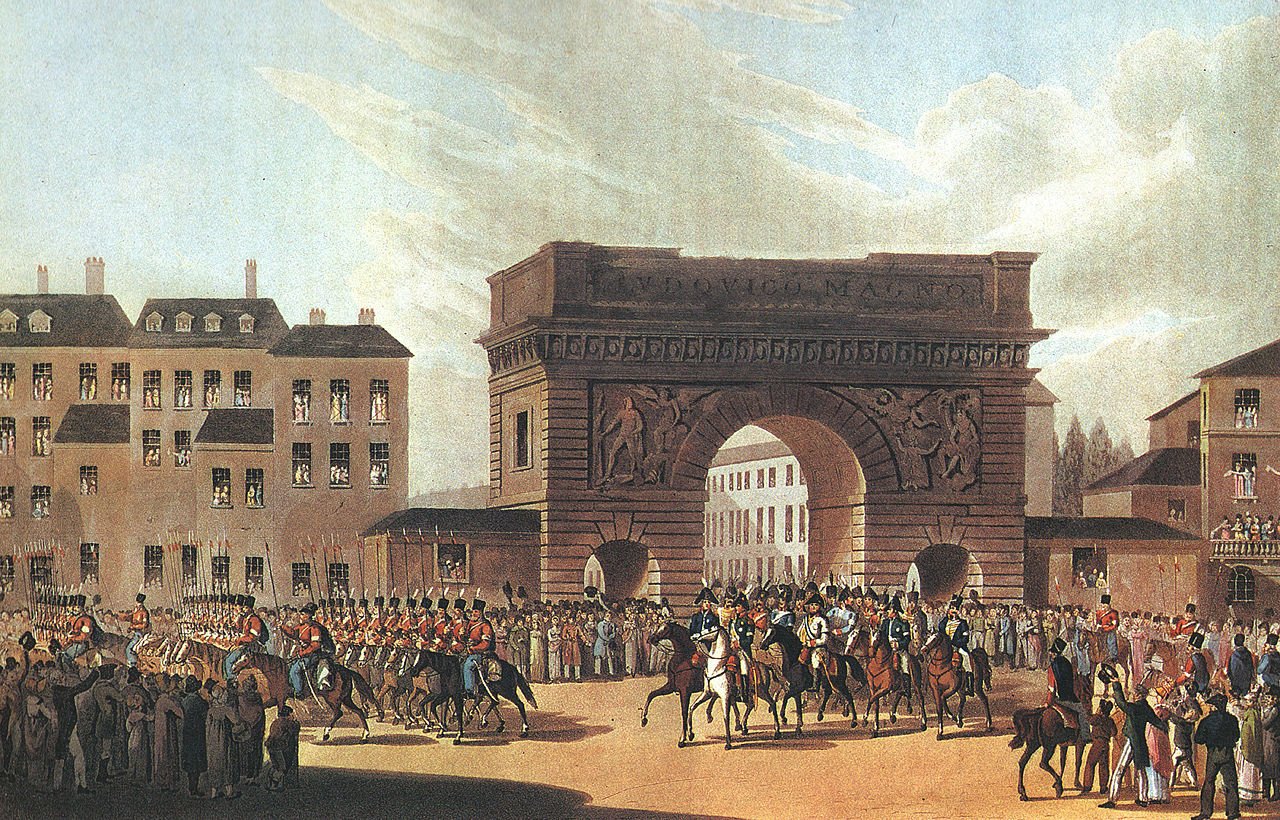
Alexander's foreign policy changed with the shifting balance of power in Europe. He alternated between confrontation and accommodation toward Napoleon Bonaparte: from initial rivalry to a temporary rapprochement and treaty, and ultimately to leadership of the coalition that defeated France. After Napoleon's defeat, Alexander played a prominent part at the Congress of Vienna and in the establishment of the Holy Alliance, seeking to stabilize Europe under conservative monarchical principles while also projecting Russia's influence westward.
Domestic reforms and administration
Domestically Alexander encouraged administrative, educational and legal experiments, though many initiatives remained limited in scope. Notable directions included:
- Promotion of education and the Academy of Sciences, and patronage of universities.
- Reorganization of ministries and attempts at modernizing local government.
- Military and bureaucratic reforms aimed at improving efficiency without curtailing autocracy.
Over time his early liberal impulses were tempered by conservative advisers, wartime pressures and a growing religious sensibility, leading to a more cautious and reactionary late policy.
Death, succession crisis and legacy
Alexander died suddenly in Taganrog in 1825. The circumstances of his death generated rumors and speculation; some later claimed he had withdrawn from public life to live under a humble religious name, an assertion treated cautiously by historians. His death precipitated a contested succession and contributed to the Decembrist uprising, an early attempt by military officers to resist autocratic rule. These events highlighted limits to reform and set the stage for his successor's more repressive policies.
Notable facts and interpretations
- Titles: Emperor of Russia, King of Poland, Grand Duke of Finland.
- International role: Architect of the post‑Napoleonic order and co‑founder of the Holy Alliance.
- Historical image: Seen variously as a reforming yet indecisive ruler, a wartime statesman, and a ruler whose late religiosity shaped conservative turns.
For more on Alexander's reign, historical contexts and primary sources, see entries and resources referenced under his Russian name and chronological records, including documentation of his birth and death in Old Style dates and material from contemporary accounts indexed in major archives concerning the Emperor. Further reading may be found through national repositories and specialized studies of the Napoleonic period and early 19th‑century Russian reforms.
Questions and answers
Q: Who was Alexander I of Russia?
A: Alexander I of Russia was the Emperor of Russia from 1801 to 1825, the first Russian King of Poland from 1815 to 1825, and the first Russian Grand Duke of Finland and Lithuania. He was born in Saint Petersburg to Grand Duke Paul Petrovich and Maria Feodorovna.
Q: When was Alexander I of Russia born?
A: Alexander I of Russia was born on December 23, 1777.
Q: When did Alexander I of Russia become the Emperor?
A: Alexander I of Russia became the Emperor of Russia on March 23, 1801, after his father was murdered.
Q: During which period did Alexander I of Russia rule Russia?
A: Alexander I of Russia ruled Russia during the Napoleonic Wars.
Q: When did Alexander I of Russia die?
A: Alexander I of Russia died on December 1, 1825.
Q: What caused the spread of rumors about Alexander I of Russia's death?
A: Alexander I of Russia's sudden death in Taganrog under allegedly suspicious circumstances caused the spread of rumors that he did not actually die in 1825, but disappeared to live the rest of his life in anonymity.
Q: What was Alexander I of Russia also known as?
A: Alexander I of Russia was also known as Alexander the Blessed, or in Russian, Aleksandr Blagoslovennyi.
Related articles
Author
AlegsaOnline.com Alexander I of Russia Leandro Alegsa
URL: https://en.alegsaonline.com/art/113658