
Alcide De Gasperi: Italy's Postwar Statesman and European Pioneer
Italian statesman (1881–1954), founder of Christian Democracy, long-serving postwar prime minister, opponent of Fascism and key architect of European cooperation and Italy's Western alignment.
Alcide De Gasperi (3 April 1881 – 19 August 1954) was an Italian statesman who led Italy through the difficult transition from wartime defeat and Fascist dictatorship to democratic republic and economic recovery. He co-founded the Christian Democracy party and served as head of government in the formative postwar years. De Gasperi is remembered for steering Italy into Western institutions and for his early efforts to build European cooperation through new multilateral organizations.
Image gallery
10 Images


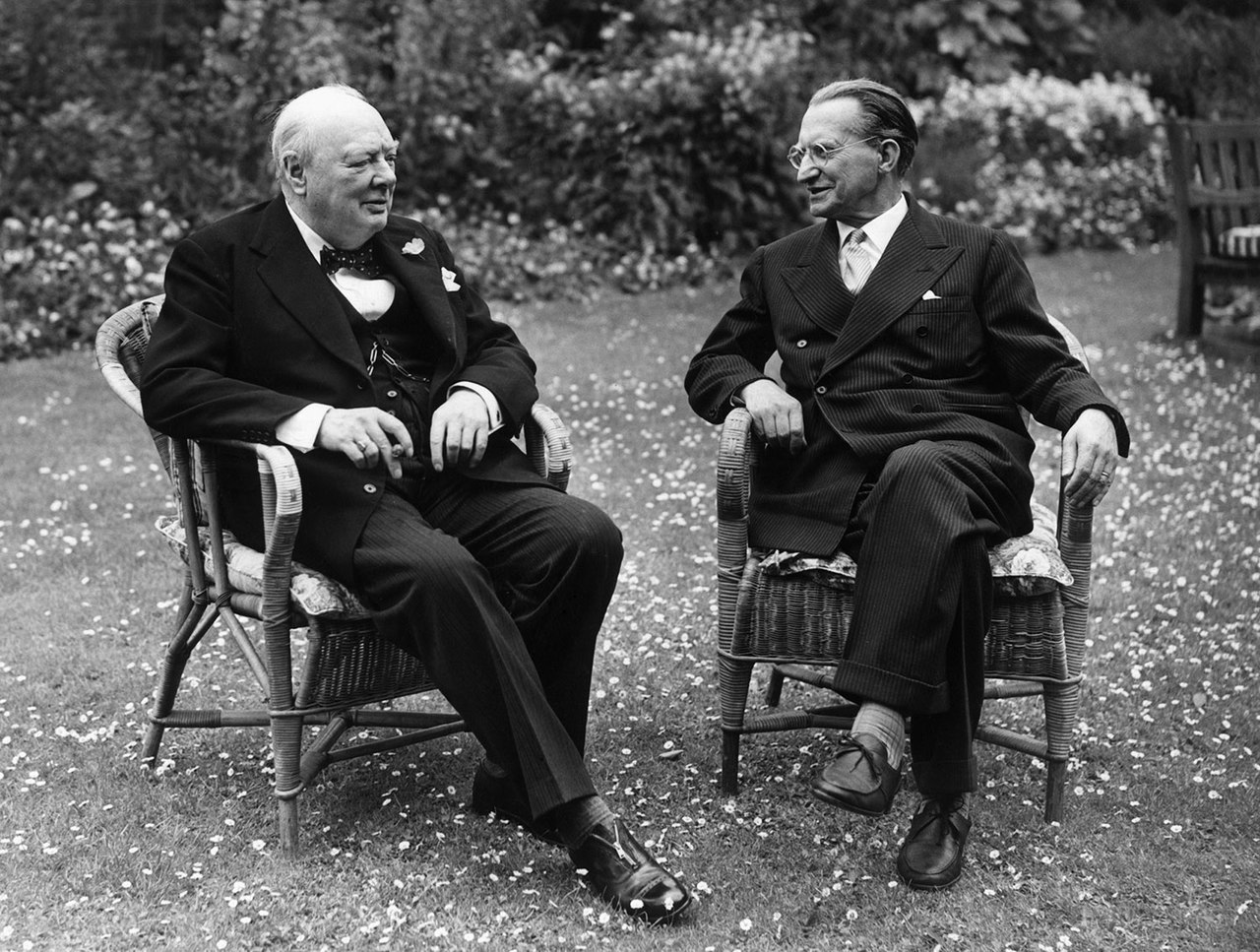


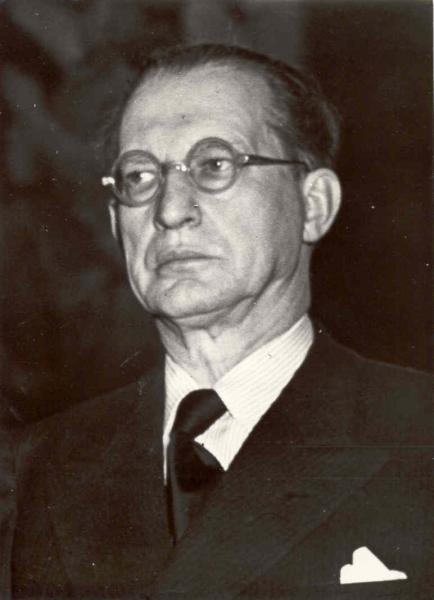


Early life and opposition to Fascism
De Gasperi was born in a Trentino community that then belonged to Austria-Hungary. In the aftermath of World War I the region became part of Italy and De Gasperi took Italian citizenship. During the 1920s and 1930s he became a prominent critic of Benito Mussolini and the Fascist regime. His anti‑Fascist stance led to his imprisonment in 1927; he spent time in prison before being released at the request of the Pope. Those years shaped his commitment to democratic institutions and to a political movement rooted in Catholic social teaching.
Prime minister and domestic policy
After the fall of Fascism and the end of World War II, De Gasperi became the head of government and served as Prime Minister of Italy for much of the period 1945–1953. His governments implemented policies to restore civil order, rebuild infrastructure, and revive the economy. He led broad coalition cabinets, balancing moderate conservatives and centrist forces against the powerful Italian Communist and Socialist parties. Under his leadership Italy adopted reforms that supported reconstruction, promoted industrial growth, and stabilized public finances during a fragile recovery.
Foreign policy and European integration
De Gasperi was a strong proponent of anchoring Italy within the democratic West during the early Cold War. His cabinets accepted aid from the Marshall Plan and supported membership in collective security arrangements. Italy joined NATO during his tenure, and he played a decisive role in founding institutions aimed at binding European countries together after the war. He helped establish the Council of Europe and was among the Italian leaders who supported the creation of the European Coal and Steel Community, an early step toward European integration.
Notable actions and distinctions
- Founder and long‑time leader of the Christian Democracy (Democrazia Cristiana) party, which dominated Italian politics in the postwar decades.
- Survived political persecution under Mussolini and later led the democratic reconstruction of Italy after World War II.
- One of the architects of Italy's reorientation toward Western alliances and multilateral European cooperation.
- Although he served longer than almost all postwar Italian prime ministers, his term length is often compared with that of Benito Mussolini, whose rule was that of a dictator.
Legacy
De Gasperi died in 1954, leaving a mixed but broadly influential legacy: he is credited with helping to secure Italy's return to European and Atlantic institutions and with founding a centrist political tradition based on Catholic social values. His leadership during reconstruction and his commitment to European cooperation remain central themes in assessments of Italy's postwar rebirth. Today he is remembered both for resisting totalitarianism before the war and for guiding Italy through an uneasy but crucial transition into the community of Western democracies.
For further reading on the institutions and events with which he was involved, see foundational documents and histories of the Council of Europe, the European Coal and Steel Community, and Italy's postwar political development under its prime ministers.
Questions and answers
Q: Who was Alcide De Gasperi?
A: Alcide De Gasperi was an Italian politician who started the Christian Democracy party and was the Prime Minister of Italy for eight years.
Q: What other organizations did De Gasperi help to start?
A: De Gasperi helped to start the Council of Europe and the European Coal and Steel Community.
Q: How long was De Gasperi the Prime Minister of Italy for?
A: De Gasperi was the Prime Minister of Italy for eight years, between 1945 and 1953.
Q: Which Italian prime minister was in power longer than De Gasperi?
A: Benito Mussolini was the only Italian prime minister who was in power longer than De Gasperi, but he was a dictator.
Q: When and where was De Gasperi born?
A: De Gasperi was born on the 3rd of April, 1881 in Austria-Hungary.
Q: When did De Gasperi become an Italian citizen?
A: De Gasperi did not become an Italian citizen until after the First World War.
Q: Why was De Gasperi put in prison in 1927, and who got him released?
A: De Gasperi was put in prison for one and a half years in 1927 because he did not support Mussolini's Fascist government. Mussolini released him from prison because the Pope asked him to.
Related articles
Author
AlegsaOnline.com Alcide De Gasperi: Italy's Postwar Statesman and European Pioneer Leandro Alegsa
URL: https://en.alegsaonline.com/art/113589
Sources
- theflorentine.net : "The Florentine - article » In the beginning was De Gasperi"
- content.time.com : "ITALY: Man from the Mountains"