
Albert Gallatin (1761–1849)
Swiss‑American statesman, longest‑serving U.S. Secretary of the Treasury (1801–1814), diplomat, scholar of Indigenous languages, and a founder of New York University.
Overview
Abraham Alfonse Albert Gallatin (1761–1849) was a Swiss‑born American statesman who combined public service with sustained scholarly interests. He emigrated from Geneva to North America as a young man and became prominent as a legislator, long‑tenured Secretary of the Treasury, diplomat and a student of Indigenous languages and cultures. His career illustrates the interwoven roles of fiscal policymaker, international negotiator and antiquarian‑scholar in the early United States.
Image gallery
10 Images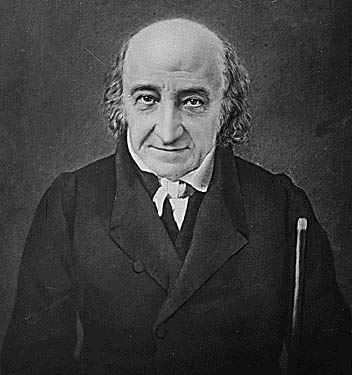



Early life and political beginnings
Born in Geneva, Gallatin settled in the United States in the 1780s and became active in public life. He served multiple terms in the U.S. House of Representatives where he gained a reputation for detailed attention to budgets and opposition to policies he viewed as fiscally unsound. He aligned with the Democratic‑Republican political tradition of the era and played a role in shaping its economic positions.
Secretary of the Treasury (1801–1814)
Appointed Secretary of the Treasury in 1801, Gallatin became the longest‑serving occupant of that office. During his tenure he worked to reduce the national debt, reorganize revenue collection and produce more regular federal accounting. His approach emphasized careful administration of customs and government receipts, economy in spending, and congressional cooperation rather than reliance on a strong centralized banking system. For summaries of his fiscal leadership see Secretary of the Treasury.
Diplomacy and later public service
After leaving the Treasury, Gallatin served in diplomatic roles and took part in peace negotiations that helped conclude the War of 1812. He represented American interests abroad and drew on his experience in finance and law while negotiating with European counterparts. For more on his public and diplomatic roles, consult material on his career as a politician and diplomat.
Scholarship and study of Indigenous languages
Alongside his public career, Gallatin pursued scholarship in linguistics and ethnology. He collected vocabularies, comparative word lists and observations about Native American peoples, and corresponded with other scholars of his day. His comparative notes contributed to early American efforts to document the continent's linguistic diversity and are often cited in histories of American ethnography; see accounts of his work as a linguist and ethnologist.
Education and civic contributions
Gallatin helped found institutions devoted to education and civic improvement. He played a leading role in creating the university that became known as New York University, supporting governance and fundraising that aimed to broaden access to higher education in the growing nation. Institutional histories record his involvement with the school now referenced as New York University.
Legacy
Gallatin is remembered for stabilizing early American finances, for his role in diplomacy during a formative period, and for his early comparative work on Native American languages. His papers and collections have been useful to historians and linguists studying the early republic. Numerous places and institutions in the United States bear his name, reflecting a lasting public recognition of his varied contributions.
- Public finance: Restructured revenue practices and worked to reduce federal debt.
- Diplomacy: Participated in peace negotiations and represented the United States abroad.
- Scholarship: Compiled comparative materials on Indigenous languages and cultures.
- Education: Instrumental in founding a major university in New York.
Questions and answers
Q: Who was Abraham Alfonse Albert Gallatin?
A: Abraham Alfonse Albert Gallatin was a Swiss-American ethnologist, linguist, politician, diplomat, Congressman and the longest-serving United States Secretary of the Treasury. He was also a founder of New York University.
Q: When was he born?
A: He was born on January 29th, 1761.
Q: What positions did he hold in his lifetime?
A: In his lifetime he held positions as an ethnologist, linguist, politician, diplomat, Congressman and the longest-serving United States Secretary of the Treasury.
Q: Where did he found New York University?
A: He founded New York University in the United States.
Q: How long did he serve as US Secretary of the Treasury?
A: He served as US Secretary of the Treasury for 14 years from 1801 to 1814.
Q: What language did he speak fluently?
A: He spoke French fluently and had knowledge of several other languages including English and German.
Q: When did Abraham Alfonse Albert Gallatin die?
A: He died on August 12th 1849.
Related articles
Author
AlegsaOnline.com Albert Gallatin (1761–1849) Leandro Alegsa
URL: https://en.alegsaonline.com/art/113565