
Adjara — Autonomous Republic on Georgia’s Black Sea Coast
Adjara is an autonomous republic in southwestern Georgia on the Black Sea. Its capital is Batumi. The region is known for its subtropical coast, mountain foothills, mixed culture and tourism-driven economy.
Overview
Adjara (also spelled Ajara) is an autonomous republic within the country of Georgia. Its administrative centre and largest city is Batumi, a major port and seaside resort. Located where the foothills of the Lesser Caucasus meet the Black Sea, Adjara has a distinctive coastal and mountain landscape and a subtropical climate. According to the 2014 census the population of the region is about 334,000.
Image gallery
3 Images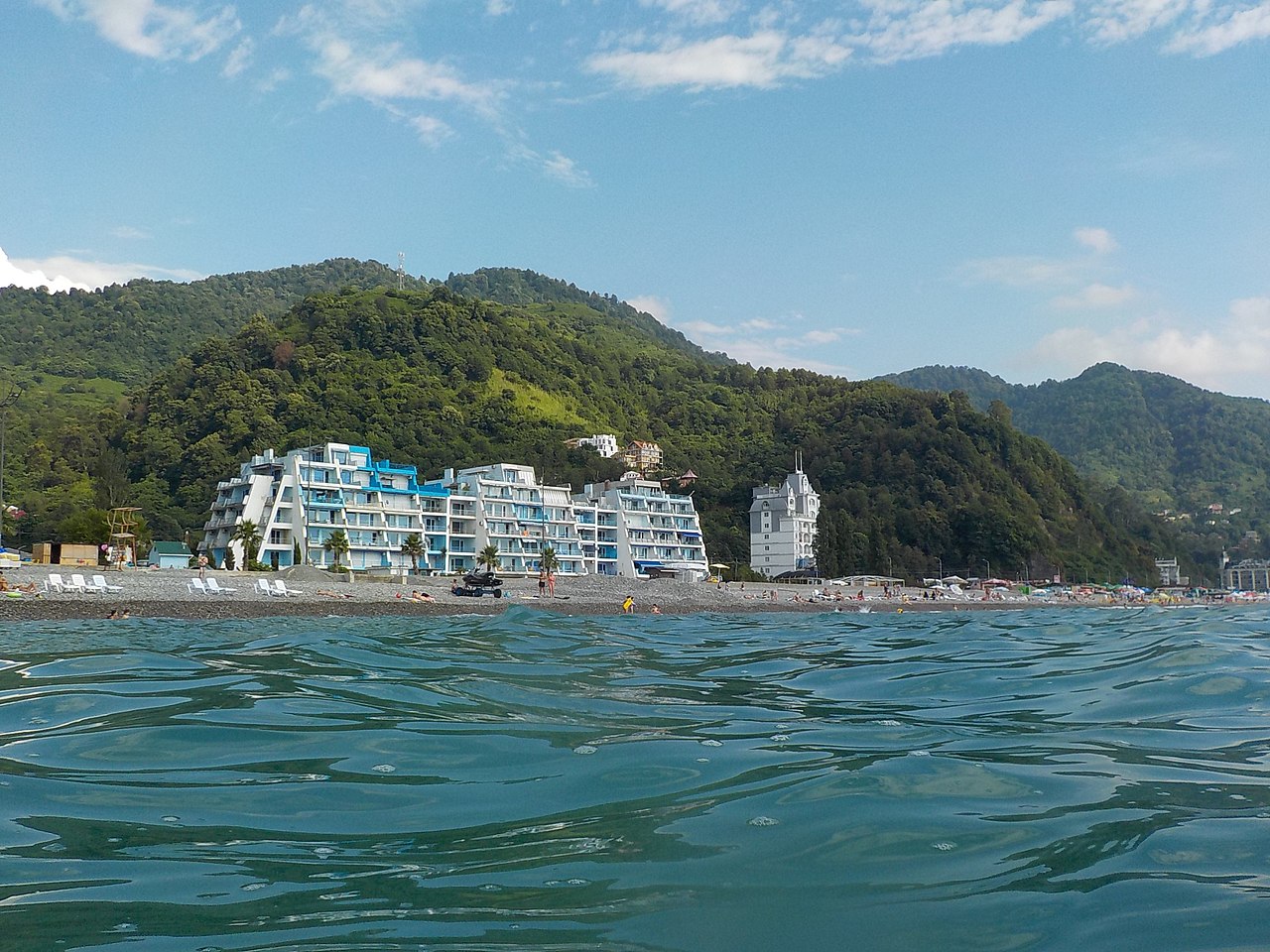


Geography and environment
Adjara occupies a narrow coastal plain that rises quickly into forested hills and the lower ranges of the Lesser Caucasus. The region’s climate is humid and mild, supporting lush vegetation, tea gardens, citrus orchards and dense forests. Rivers that flow down from the mountains supply hydroelectric potential and sculpt steep valleys inland from the coast. Its shoreline is an important feature for transport and tourism.
History and identity
The area that is now Adjara has a complex history shaped by Georgian, Ottoman and Russian influences. Ottoman rule left a legacy of Islam among many local communities, while Georgian language and identity remained prominent. In the 19th and 20th centuries Adjara became part of the Russian Empire and later the Soviet Union, and after the Soviet collapse it was established as an autonomous republic within independent Georgia. The region’s history contributes to a diverse cultural and religious landscape.
Government and subdivisions
Adjara is governed as an autonomous republic with its own local institutions within the Georgian state framework. Administratively it comprises the city of Batumi plus five municipalities. These municipalities manage local affairs, infrastructure and services in predominantly rural and small-town areas.
- Khelvachauri Municipality
- Kobuleti Municipality
- Keda Municipality
- Shuakhevi Municipality
- Khulo Municipality
Economy, culture and uses
The regional economy combines port activity, tourism, agriculture and light industry. Batumi’s harbor, promenade, hotels and casinos make it the economic engine of Adjara and a national tourist destination. Coastal agriculture produces tea, citrus and subtropical crops, while mountain areas support small-scale farming and hydropower projects. Cultural life reflects a mix of Christian and Muslim traditions, regional music, cuisine and folk arts.
Tourism and notable facts
Tourism is a key sector: seaside resorts, botanical gardens, mountain trails and historic sites attract visitors seasonally. Batumi’s modern waterfront and older districts sit alongside Soviet-era architecture and Ottoman-era influences found elsewhere in the region. Adjara’s combination of sea, mountains and multicultural heritage gives it an important role in Georgia’s geography and economy.
For further reading on the country and specific places in the region, see general resources on Georgia and regional guides to Batumi and the Black Sea coast and the Lesser Caucasus.
Questions and answers
Q: What is Adjara?
A: Adjara is a region of Georgia.
Q: What is the official name of Adjara?
A: The official name of Adjara is Autonomous Republic of Adjara.
Q: What is the capital city of Adjara?
A: The capital city of Adjara is Batumi.
Q: What is the population of Adjara?
A: The population of Adjara is about 333,953 people as of 2014.
Q: Where is Adjara located?
A: Adjara is located on the coast of the Black Sea near the foot of the Lesser Caucasus Mountains.
Q: How many municipalities are there in Adjara?
A: There are five municipalities plus the city of Batumi in Adjara.
Q: What are the names of the five municipalities in Adjara?
A: The names of the five municipalities in Adjara are not provided in the given text.
Related articles
Author
AlegsaOnline.com Adjara — Autonomous Republic on Georgia’s Black Sea Coast Leandro Alegsa
URL: https://en.alegsaonline.com/art/113325
Sources
- geostat.ge : geostat.ge/en/modules/categories/41/population.html
- Adjara
- wikidata.orgQ45693.html : wikidata.orgq45693.html
- aleph.nkp.cz : ge754011