
Abhisit Vejjajiva: Thai politician and former prime minister
Overview of Abhisit Vejjajiva, leader of Thailand's Democrat Party and prime minister from 2008–2011: education, political career, policies, controversies and legacy.

Abhisit Vejjajiva (Thai: อภิสิทธิ์ เวชชาชีวะ) is a Thai politician best known as leader of the Democrat Party and as the 27th Prime Minister of Thailand (prime minister) from 2008 to 2011. Born in 1964, he rose rapidly through Thai politics after an elite education in the United Kingdom and became one of the country’s youngest leaders. His premiership coincided with the global financial crisis and a period of intense domestic political conflict.
Image gallery
8 Images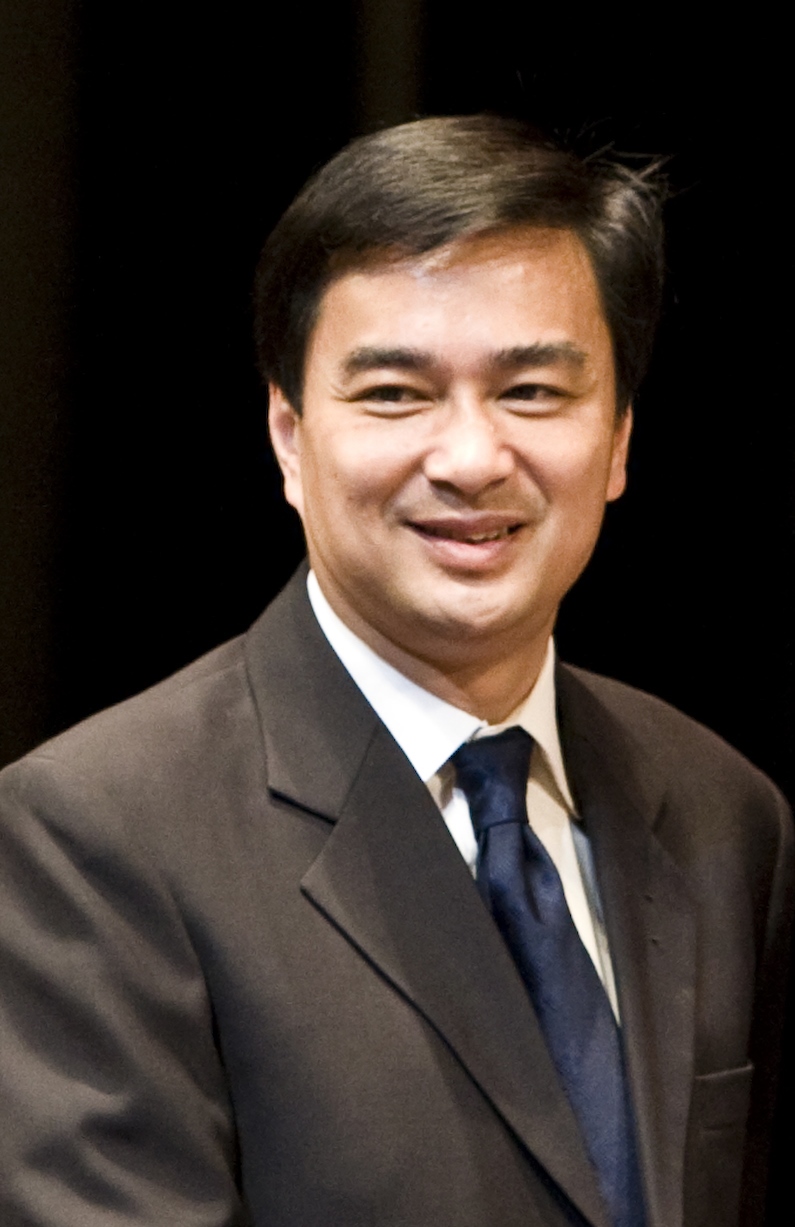


Early life and education
Abhisit was educated in Britain, attending the well-known boarding school Eton College and later the University of Oxford, where he read philosophy, politics and economics and completed postgraduate study at the same university (Oxford). His background in Western education and fluency in English shaped both his public image at home and his approach to economic and diplomatic matters. He returned to Thailand and entered politics at a young age, winning election to the national legislature when he was in his late twenties.
Political career and rise to leadership
Within the Democrat Party, Thailand’s long-established political party, Abhisit moved quickly through parliamentary roles and shadow cabinet positions before becoming party leader in the mid-2000s. He led the party into national elections and later formed a coalition government that brought him to the premiership in December 2008. His ascent reflected both his party’s parliamentary strength and shifting alliances among Thai political factions.
Premiership: policies and response to crises
Abhisit’s government faced two major challenges: the global economic downturn that began in 2008 and escalating domestic political unrest. Economically, his administration introduced stimulus measures intended to boost consumption and investment. These measures were presented as multi-phase packages aimed at reviving growth while emphasizing budgetary oversight and transparency.
- Stimulus and fiscal response: short-term cash and infrastructure spending to counter slowed growth.
- Social and economic programs: targeted measures to support households and small businesses.
- Diplomacy and international relations: efforts to reassure investors and maintain regional ties.
Political unrest and criticisms
During his time in office, Thailand experienced significant street protests and confrontations between political movements. The government’s handling of demonstrations, particularly large-scale protests in 2010, drew sharp criticism at home and abroad for its use of force and the resulting casualties. Supporters argued these actions were necessary to restore order; critics questioned proportionality and accountability. These events remain a defining element of Abhisit’s legacy.
Later career and legacy
After losing the 2011 national election to a rival party, Abhisit served in opposition and continued to lead his party for several years. He is remembered for bringing a technocratic, Western-educated style to Thai politics and for governing during a volatile period. Observers note both the economic measures his government used to counter recession and the contentious political decisions that shaped public debate about democracy, security and reconciliation in Thailand.
For more on Thailand’s political landscape and Abhisit’s role within it, see references and profiles available in Thai and English sources: Thailand political context.
Questions and answers
Q: Who is Abhisit Vejjajiva?
A: Abhisit Vejjajiva is the leader of the Democrat Party and 27th Prime Minister of Thailand.
Q: Where did Abhisit get his education?
A: After graduating from Eton, a famous public school in England, Abhisit get his bachelor's and master's degrees from the University of Oxford.
Q: At what age was he elected to Thai Parliament?
A: He was elected to the Thai Parliament at the age of 27.
Q: What year did he become prime minister?
A: In 2008, he became the country’s youngest-ever prime ministers at the age of 44.
Q: What economic plan was introduced by his government?
A: The government under Abhisit Vejjajiva introduce economic stimulus to “REVIVE THE THAI ECONOMY with transparency and accountability”. The Economic Plan is separated into two phrases, Stimulus Package 1 and stimulus Package 2.
Q: What were the goals of this economic plan?
A: The goal of this economic plan was to revive Thailand's economy with transparency and accountability.
Related articles
Author
AlegsaOnline.com Abhisit Vejjajiva: Thai politician and former prime minister Leandro Alegsa
URL: https://en.alegsaonline.com/art/113243
Sources
- timesonline.co.uk : "British-born Abhisit Vejjajiva is Thailand's new Prime Minister"
- theguardian.com : "Thai opposition leader becomes PM"
- nationmultimedia.com : Abhisit, Chuan's young protege gets his turn at last
- time.com : "Open Road"