
7‑Eleven — international convenience store chain
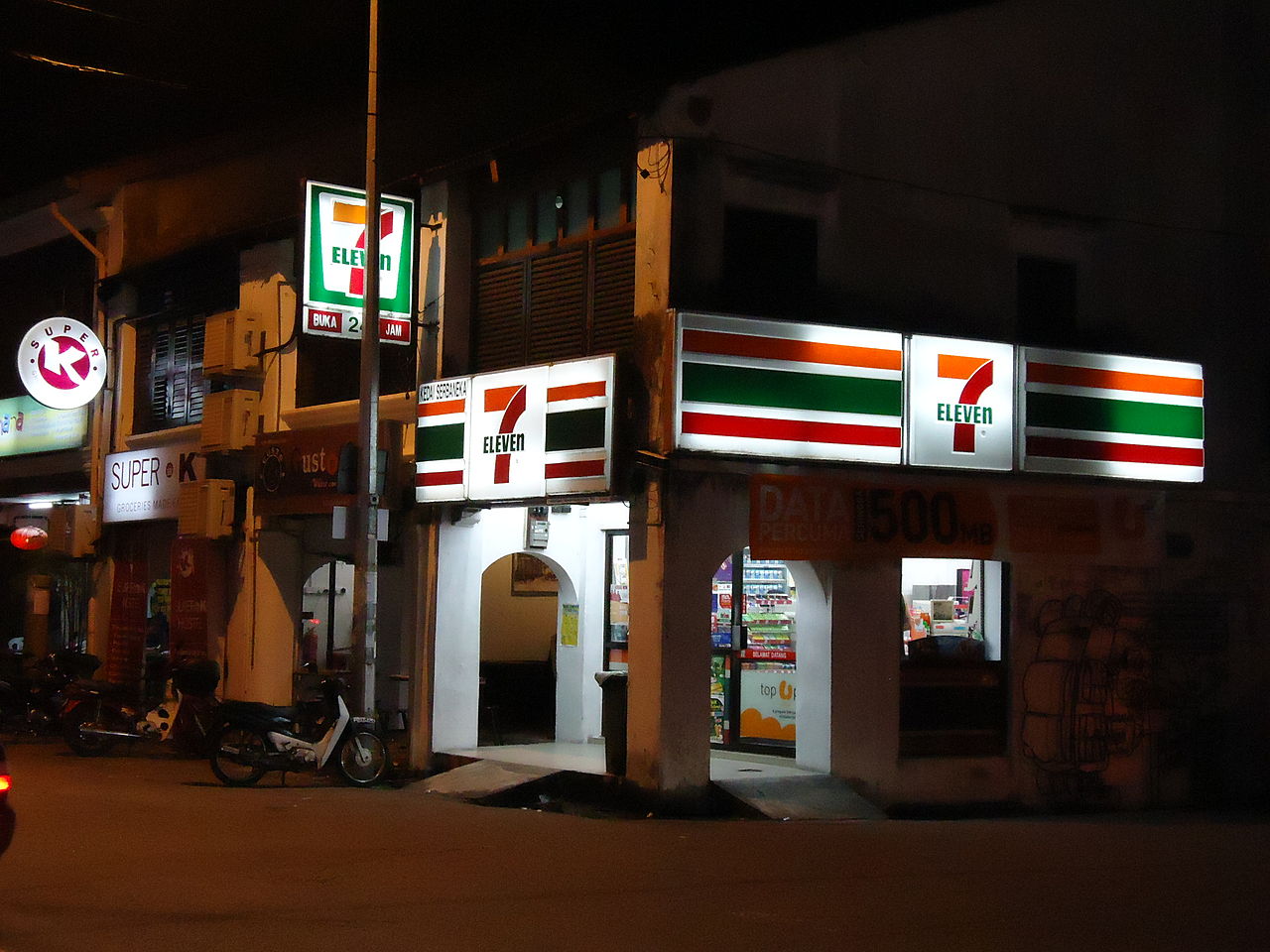
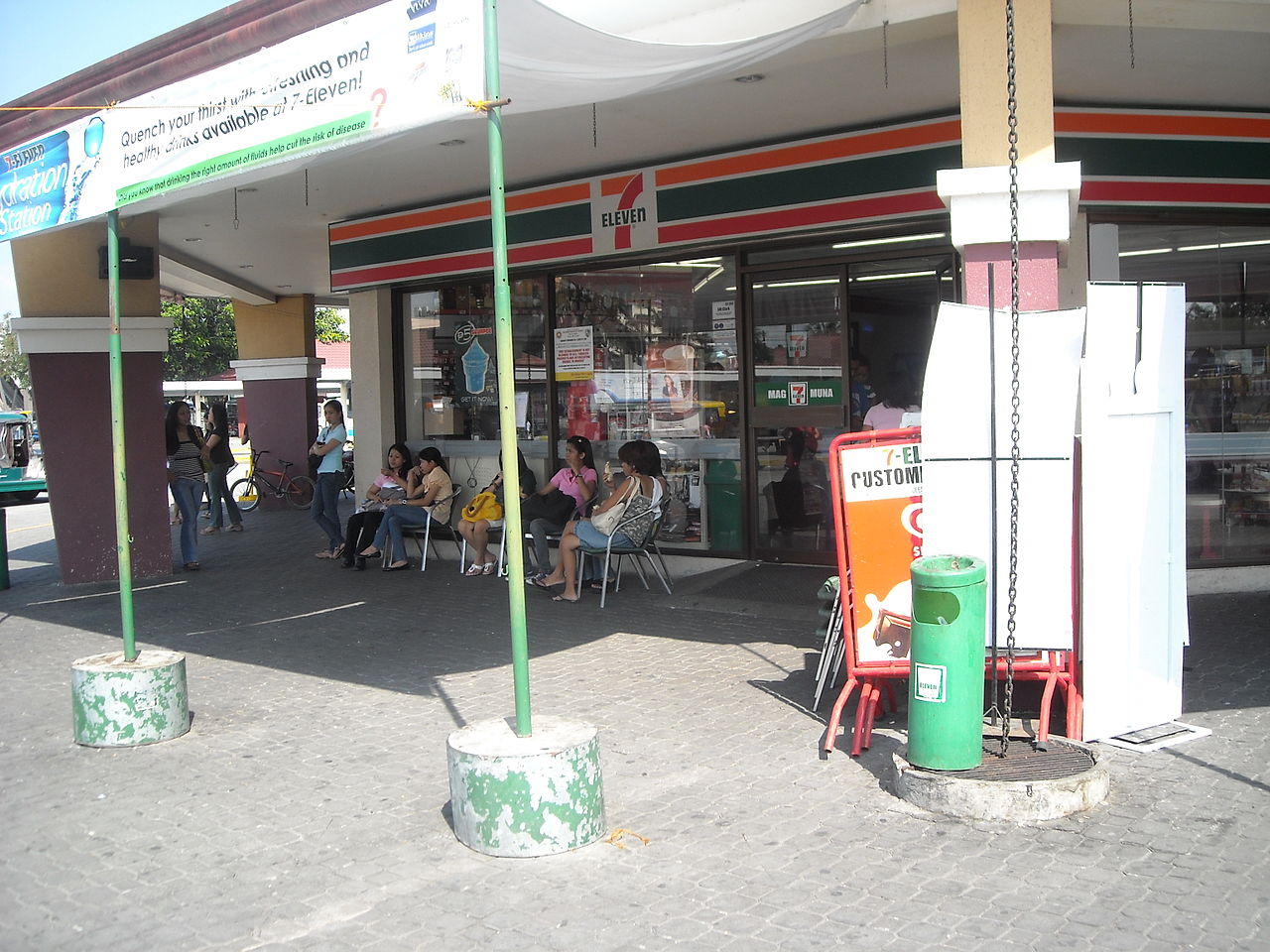
7‑Eleven is a global chain of convenience stores known for round‑the‑clock service, ready-to-eat items and proprietary products. It began in Dallas and is now operated largely by Seven‑Eleven Japan/Seven & I.
7‑Eleven is a widely recognized chain of convenience stores operating in many countries. It traces its roots to a retail outlet in Dallas and grew from an ice and grocery business into a format focused on quick purchases, prepared foods and everyday essentials. The brand is notable for its small-store footprint, easy access to staple items and a reliance on franchising and regional operators.
Image gallery
10 Images




Origins and development
The business began in the early 20th century as a local retail experiment and later adopted the name 7‑Eleven to reflect extended opening hours popular with customers. Over decades the format shifted toward convenience merchandising: grab-and-go beverages, packaged snacks, ready meals and a range of services aimed at fast transactions. Many locations later transitioned to 24‑hour operation where demand and regulation allowed.
Structure and ownership
Although the brand is best known in North America, the largest single operator is Seven‑Eleven Japan Co., Ltd., headquartered in Tokyo. That company is part of the larger Seven & I corporate family; the holding group links 7‑Eleven operations with other retail businesses and coordinates many international strategies. Franchise agreements, master licenses and direct ownership coexist in different markets.
Typical offerings and services
Stores sell a compact mix of products and services designed for speed and convenience. Common items include:
- Hot and cold beverages, frozen slush drinks and proprietary beverage lines.
- Ready-to-eat foods such as sandwiches, packaged meals, baked goods and local specialties where appropriate.
- Everyday household items, over-the-counter medicines, lottery tickets and basic groceries.
- Services like ATMs, bill payment, parcel pickup and copy/print machines in some regions.
Many national operators adapt product mixes to local tastes—examples include rice balls and bentos in parts of Asia, and fresh coffee or sandwich lines in North America and Australia.
Scale and global presence
By the mid‑2010s the brand exceeded tens of thousands of outlets worldwide; industry summaries from 2016 reported about 58,300 stores across multiple countries. The chain’s footprint ranges from extremely dense urban concentrations to suburban outlets serving commuters. Its role in daily life varies by market: in some countries 7‑Eleven is a primary source of quick meals and services, while in others it complements larger grocery and retail formats.
Notable distinctions
7‑Eleven stands out for standardizing the convenience store concept on a global scale while allowing regional operators to tailor offerings. Its combination of recognizable proprietary items, extended hours and a franchise-heavy model has made it a durable presence in modern retail. For corporate and brand details, see the company pages maintained by the Japanese operator and its parent group: Seven & I Holdings.
Questions and answers
Q: How many stores does 7-Eleven have as of January 2016?
A: 7-Eleven owns around 58,300 stores as of January 2016.
Q: In how many countries is 7-Eleven present?
A: 7-Eleven is present in 17 different countries.
Q: Where is the first 7-Eleven store located?
A: The first 7-Eleven store is located in the city of Dallas.
Q: Who owns Seven-Eleven Japan Co. Ltd.?
A: Seven-Eleven Japan Co. Ltd. is owned by the holding company Seven & I Holdings Co.
Q: In which city is Seven-Eleven Japan Co. Ltd. located?
A: Seven-Eleven Japan Co. Ltd. is located in Tokyo.
Q: What type of stores are 7-Eleven stores?
A: 7-Eleven stores are convenience stores.
Q: Is 7-Eleven a national or international brand?
A: 7-Eleven is an international brand.
Related articles
Author
AlegsaOnline.com 7‑Eleven — international convenience store chain Leandro Alegsa
URL: https://en.alegsaonline.com/art/113033
Sources
- corp.7-eleven.com : "About Us – International Licensing"
- corp.7-eleven.com : "7-Eleven Corporate"
- fundinguniverse.com : "7-Eleven, Inc. History"
- 7-eleven.com : "News Room: Background Information: Open around the clock"
- geni.com : "G. Allen Penniman"
- legacy.com : "Edgar Erwin Penniman"
- nytimes.com : "7-Eleven Owner in $5 Billion to Sell Company"
- query.nytimes.com : "Company News; Southland Holders Approve Buyout"
- query.nytimes.com : "Southland Buyout Hits Snag"
- query.nytimes.com : "Takeovers Revert to the Old Mode"
- nytimes.com : "Company News: Southland to Sell Chief Auto Unit"
- nytimes.com : "Company News: Southland Sells Reddy Ice Unit"
- nytimes.com : "Company News: Circle K Will Acquire 473 7-Eleven Stores"