
4th millennium BC
Period c. 4000–3000 BC when early bronze technology, cities and the first writing systems emerged; major developments in Sumer, Egypt and farming societies across Eurasia.
The 4th millennium BC (roughly 4000–3000 BC) marks a pivotal chapter in human prehistory when small farming communities transformed into larger, more complex societies. In several regions new forms of social organization, craft technology and record-keeping took shape. Scholars link this era to the early phases of the Bronze Age and the appearance of the first durable systems of writing, developments that would reshape economies and states.
Image gallery
10 Images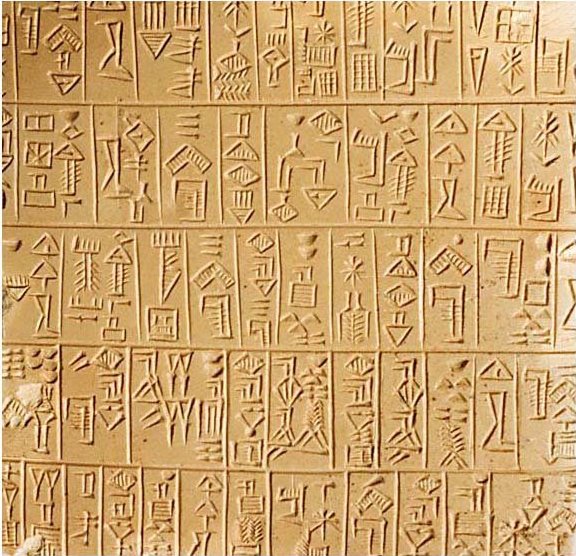




Key developments
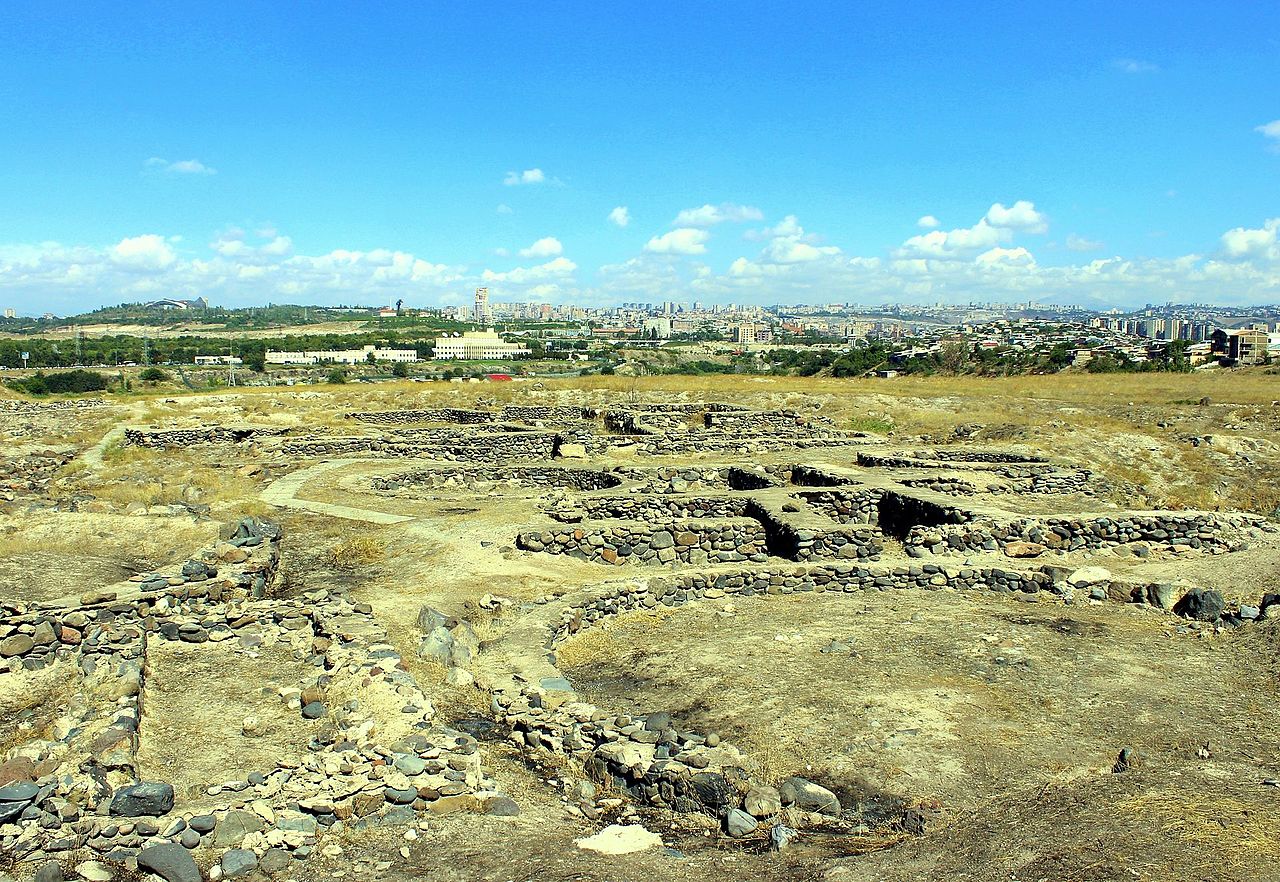
- Urbanization: Cities and city-states appear in river valleys, with the emergence of administrative centers that concentrated craft production, trade and governance. Notable early urban polities include the southern Mesopotamian cities often grouped under Sumer.
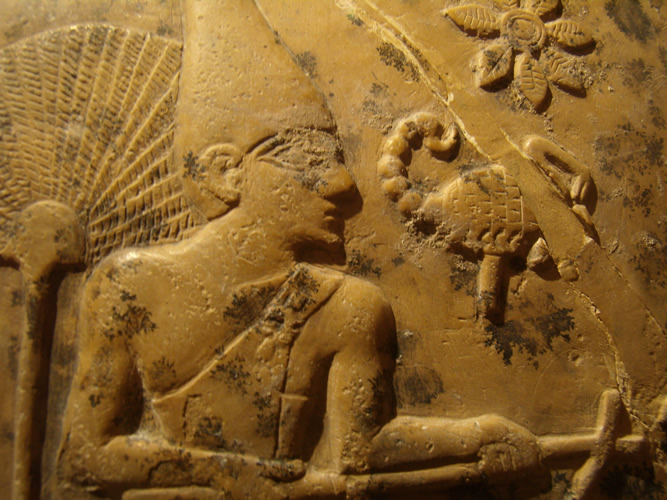
- State formation: Along the Nile in northeastern Africa, political unification processes intensified and the foundations of ancient Egypt began to take recognized historical shape.
- Agricultural expansion: Farming systems spread and diversified across large parts of Eurasia, supporting higher population densities and more complex economies.
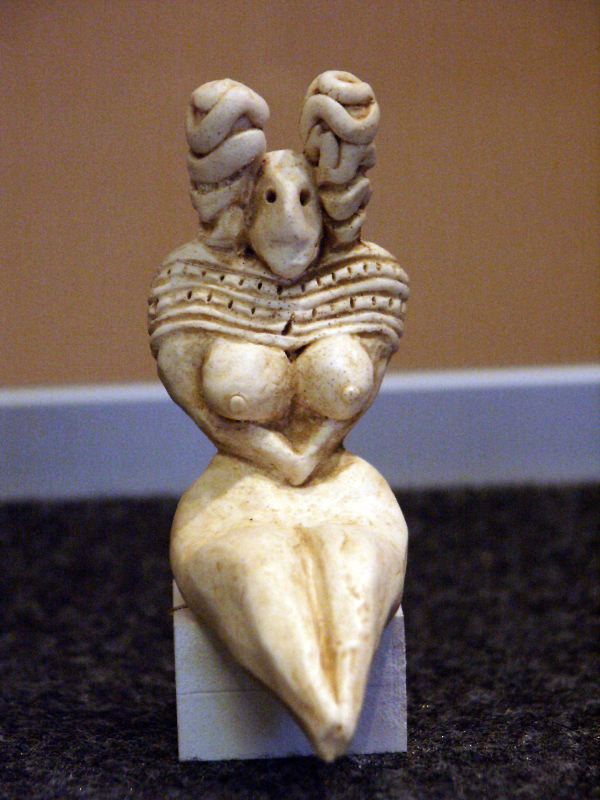
Material culture changed alongside social organization. Metallurgy advanced from cold-hammered copper toward alloying that would eventually produce bronze in some regions. Craft specialists produced more standardized pottery, textiles and wheeled vehicles, and long-distance exchange of raw materials and luxury items increased. These technical and social shifts were uneven in time and intensity across different zones.
Demographic patterns shifted as settlement nucleation and agricultural intensification supported larger communities. Estimates for population growth vary by region; archaeological and environmental data indicate significant rises in the size and density of communities in the major river basins and other fertile zones. Researchers continue to refine figures for local and long-term trends in population.
The invention and early use of writing systems—chiefly pictographic and early script forms—served administrative, economic and ritual purposes. In Mesopotamia, clay tablets with impressed signs record transactions and inventories; in Egypt, early hieroglyphic signs appear in tombs and on labels. These forms of record-keeping made it easier to manage surplus production, legal arrangements and emerging state bureaucracy.
Legacy and importance: The 4th millennium BC set foundations for later Bronze Age civilizations by concentrating labor, knowledge and power in cities and states, formalizing craft specialization, and creating enduring systems of communication. While change was uneven across regions, the era stands out as the moment when many characteristic features of ancient civilization first came together.
For further reading on technological and social changes of this period see general surveys and regional studies that examine urbanism, early metallurgy and the origins of writing (Bronze Age, writing, Sumer, Egypt, Eurasia, population).
Questions and answers
Q: What changes in human culture took place in the 4th millennium BC?
A: The 4th millennium BC saw major changes in human culture, such as the beginning of the Bronze Age and the development of writing.
Q: Which civilizations started and grew to prominence during the 4th millennium BC?
A: The city states of Sumer and the kingdom of Egypt were started and grew to prominence during the 4th millennium BC.
Q: What was the impact of agriculture during the 4th millennium BC?
A: Agriculture spread widely across Eurasia during the 4th millennium BC.
Q: What was the world population during the 4th millennium BC?
A: The world population in the course of the millennium doubled to approximately from 7 to 14 million people in the area surrounding them.
Q: What was the significance of the Bronze Age?
A: The Bronze Age began during the 4th millennium BC and was significant to the development of human culture at that time.
Q: What was the significance of the development of writing during the 4th millennium BC?
A: The development of writing during the 4th millennium BC was significant because it allowed for the recording and preservation of history and knowledge.
Q: What areas were affected by the changes in human culture during the 4th millennium BC?
A: The changes in human culture during the 4th millennium BC affected Eurasia and the area surrounding the city states of Sumer and the kingdom of Egypt.
Related articles
Author
AlegsaOnline.com 4th millennium BC Leandro Alegsa
URL: https://en.alegsaonline.com/art/112935
Sources
- hvk.org : "Krishna (b. July 21, 3228 BC)"