
2017 Africa Cup of Nations (AFCON 2017) — Gabon tournament overview
Summary of the 31st Africa Cup of Nations held in Gabon, January–February 2017: format, hosts, key results, significance, and notable facts including qualification for the Confederations Cup.
The 2017 Africa Cup of Nations was the 31st edition of Africa's continental football championship, commonly called AFCON 2017. Hosted by Gabon, the tournament took place from 14 January to 5 February 2017 and brought together national teams from across the continent to compete for the title governed by the Confederation of African Football. The competition followed the established structure of a group stage leading into knockout rounds, and the overall winner earned a place in the 2017 FIFA Confederations Cup.
Image gallery
2 Images
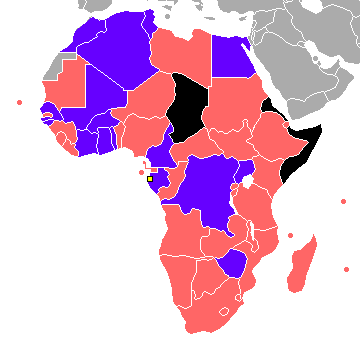
Format and participants
Sixteen teams took part, split into four groups of four. Each team played the other sides in its group once, with the top two teams from every group advancing to the quarter-finals. The tournament used four principal venues located in different cities in Gabon, providing host stadiums, training facilities and logistical support for teams, officials and fans. The format emphasized a compact schedule and single-elimination matches from the quarter-finals onward.
Key results and significance
Cameroon won the competition, defeating Egypt in the final after extra time to secure the national team's fifth Africa Cup of Nations title. The victory returned Cameroon to the top of African international football and granted the squad qualification to compete in the 2017 FIFA Confederations Cup held in Russia. Egypt reached the final through a strong defensive campaign and the tournament offered valuable international exposure for many players who later gained recognition on club and world stages.
Historical and organizational context
The Africa Cup of Nations has been staged since 1957 and gradually expanded and modernized over decades. By 2017 it followed an odd-year scheduling pattern that continental authorities adopted to separate the tournament from the FIFA World Cup cycle. Hosting rights rotate among African countries, and Gabon's role in 2017 highlighted the effort to stage high-profile events in smaller-capacity nations while investing in stadiums and infrastructure.
Notable aspects and legacy
- Competition format: group stage followed by knockout rounds and single-match elimination.
- Host cities and stadiums: matches were concentrated in a handful of venues to streamline logistics and broadcast operations.
- Sporting significance: the champion qualified for the global Confederations Cup, linking continental success with wider international competition.
- Regional impact: AFCON 2017 reinforced the tournament's role in showcasing African talent to scouts, clubs and global audiences; it also encouraged infrastructural improvements in the host country.
For a general overview of the competition's format and history, see the Confederation of African Football pages on the Africa Cup of Nations. The 2017 edition remains notable for its competitive knockout rounds and for returning a traditional power, Cameroon, to the continental championship stage.
Questions and answers
Q: What is the Africa Cup of Nations tournament?
A: The Africa Cup of Nations tournament is a football competition held between African countries.
Q: When was the 31st edition of the Africa Cup of Nations tournament held?
A: The 31st edition of the Africa Cup of Nations tournament was held from January 14 to February 5, 2017.
Q: Where was the 2017 Africa Cup of Nations tournament hosted?
A: The 2017 Africa Cup of Nations tournament was hosted by Gabon.
Q: How was the winner of the 2017 Africa Cup of Nations tournament determined to qualify for another tournament?
A: The winner of the 2017 Africa Cup of Nations tournament qualified for the 2017 FIFA Confederations Cup tournament in Russia.
Q: What is the significance of the FIFA Confederations Cup tournament?
A: The FIFA Confederations Cup tournament is a football tournament between the champions of the six FIFA confederations, along with the host nation's national team and the current FIFA World Cup holder.
Q: How often is the Africa Cup of Nations tournament held?
A: The Africa Cup of Nations tournament is held every two years.
Q: How many editions of the Africa Cup of Nations tournament have been held so far?
A: The 2017 Africa Cup of Nations tournament was the 31st edition of the tournament.
Related articles
Author
AlegsaOnline.com 2017 Africa Cup of Nations (AFCON 2017) — Gabon tournament overview Leandro Alegsa
URL: https://en.alegsaonline.com/art/112588
Sources
- cafonline.com : "Gabon named hosts of AFCON 2017"
- cafonline.com : "Format of 2017 AFCON Qualifiers and 2018 World Cup"
- ghanafa.org : "Accreditation for Total Africa Cup of Nations Gabon 2017 draw"