
2017–18 UEFA Champions League
Summary of the 2017–18 UEFA Champions League: format, key events, the final in Kyiv, and the competition's significance in European club football.
The 2017–18 UEFA Champions League was the 63rd season of Europe's premier club football competition organized by UEFA. It was the 26th season since the tournament was rebranded as the UEFA Champions League. The campaign began with qualifying rounds in summer 2017, progressed through a 32-team group stage, and concluded with a single-match final in May 2018.
Image gallery
2 Images
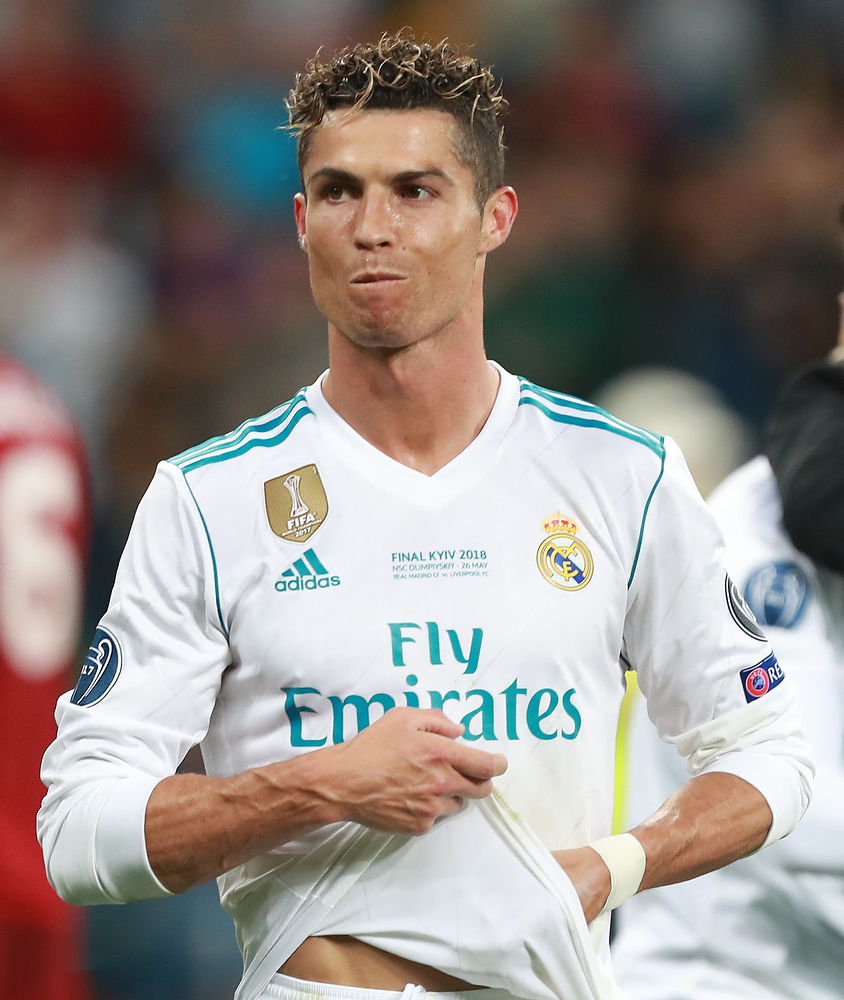
Format and participants
The competition followed the familiar modern format: preliminary and qualifying rounds for lower-ranked national associations, a group stage featuring 32 clubs drawn into eight groups of four, and a knockout phase made up of two-legged ties (round of 16, quarter-finals and semi-finals) culminating in a one-off final. Clubs earned places according to their domestic league positions and UEFA's access list, allowing a mix of champions from smaller associations and high-placed teams from Europe's top leagues.
Teams that failed to reach or progress from the Champions League group stage could continue in UEFA club competition via the Europa League. The tournament showcased leading European clubs and many of the era's most prominent players, managers and playing styles.
Key matches and the final
The knockout rounds included high-profile matchups and dramatic comebacks, reflecting the competition's reputation for close, tactical ties. The final was played at the NSC Olimpiyskiy Stadium in Kyiv. In that match, Real Madrid defeated Liverpool 3–1 to win the title. Real Madrid's victory secured their 13th European Cup/Champions League crown and a third consecutive win in the Champions League era, a feat that underlined the club's dominance across the mid-2010s.
The final attracted widespread attention for its high stakes and pivotal incidents affecting both teams. Liverpool, managed by Jürgen Klopp, had reached the final after a memorable semi-final run; Real Madrid, led by Zinedine Zidane, consolidated their standing among Europe's elite with the win.
Significance and legacy
- Real Madrid's triumph reinforced their historical status in European competition and marked a unique run of consecutive titles in the Champions League era.
- The season illustrated the competition's commercial and sporting importance, serving as a showcase for tactics, player development and club strategy across European leagues.
- As with other seasons, the 2017–18 edition influenced transfers, managerial decisions and the wider debate about club football's structure in Europe.
For further background on the tournament's rules and European club rankings, see general UEFA competition materials and overviews of professional football in Europe: club competition formats and the history of the UEFA Champions League.
Questions and answers
Q: What is the UEFA Champions League?
A: The UEFA Champions League is a football tournament for top club teams in Europe, organized by UEFA.
Q: How long has the UEFA Champions League existed?
A: The UEFA Champions League has existed for 63 seasons.
Q: When was the European Champion Clubs' Cup renamed to the UEFA Champions League?
A: The European Champion Clubs' Cup was renamed to the UEFA Champions League 26 seasons ago.
Q: What was the name of the UEFA Champions League tournament in 2017-18?
A: The name of the UEFA Champions League tournament in 2017-18 was the 2017-18 UEFA Champions League.
Q: Who organizes the UEFA Champions League?
A: The UEFA Champions League is organized by UEFA.
Q: How many clubs participate in the UEFA Champions League?
A: Several club teams participate in the UEFA Champions League each season, though the exact number may vary.
Q: What is the significance of the UEFA Champions League?
A: The UEFA Champions League is significant as it features top club teams from Europe and represents some of the best football played in the world.
Related articles
Author
AlegsaOnline.com 2017–18 UEFA Champions League Leandro Alegsa
URL: https://en.alegsaonline.com/art/112586
Sources
- uefa.com : "Full Time Report Final – Real Madrid v Liverpool"
- uefa.com : "Statistics — Tournament phase — Players — Goals"
- uefa.com : "UEFA Champions League Squad of the Season"