
2015 FIFA Women's World Cup
The seventh FIFA Women's World Cup, held in Canada from 6 June to 5 July 2015. Expanded to 24 teams, it concluded with the United States beating Japan 5–2 in the final; Carli Lloyd scored a notable hat-trick.
Overview: The 2015 FIFA Women's World Cup was the seventh edition of FIFA's quadrennial tournament for women's national teams. Hosted by Canada, the competition ran from 6 June to 5 July 2015 and featured an expanded field of 24 teams. The event combined a group stage with a single-elimination knockout phase and culminated in a final that renewed the previous tournament's 2011 pairing between two leading nations.
Image gallery
10 Images



Format and venues
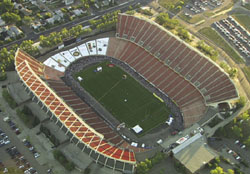
The tournament used six Canadian cities as venues, with matches staged across multiple stadiums and the final played at a major venue in Vancouver. The 24 teams were divided into six groups; the top two from each group plus the four best third-placed teams advanced to the round of 16, followed by quarter-finals, semi-finals, a third-place play-off and the final.
Teams and key matches
National sides from every confederation took part, reflecting the expansion's goal of broader global representation. The competition produced a number of high-profile matches and upsets as emerging teams tested established powers. The tournament also drew attention to organizational and playing-surface issues, prompting discussion and complaints from some players about equality of conditions.
Final and notable performance
In the final, a rematch of the 2011 title game between the same nations, the Japan team met the United States. The United States opened the match with an unusually fast and decisive start, scoring four goals in the first 16 minutes. Midfielder Carli Lloyd produced a dramatic hat-trick, including a celebrated lob from long range, and the match ended 5–2 in favor of the United States, who claimed their third Women's World Cup title. The final and individual performances received widespread media attention.
Legacy and significance
The 2015 tournament is remembered for its larger, more inclusive format and for raising the global profile of women's football. It helped accelerate investment and interest in the women's game in several countries and underscored debates about equal treatment for female athletes. Official reports, broadcast coverage and public interest combined to make the event a milestone in the sport's modern development.
Further reading
Questions and answers
Q: When was the 2015 FIFA Women's World Cup?
A: The 2015 FIFA Women's World Cup was hosted by Canada from 6 June to 5 July.
Q: Who were the defending champions of the tournament?
A: The defending champions of the tournament were Japan.
Q: Who won the 2015 FIFA Women's World Cup?
A: The United States won the 2015 FIFA Women's World Cup, defeating Japan in a rematch of the 2011 final.
Q: How many goals did Carli Lloyd score during this tournament?
A: Carli Lloyd scored three goals during this tournament.
Q: What was the final score of the match between Japan and USA?
A: The final score of the match between Japan and USA was 5-2 in favor of USA.
Q: How many titles has USA won in total at this point?
A: At this point, USA had won three titles at this point in total.
Q: When did this tournament end? A: This tournament ended on 5 July.
Related articles
Author
AlegsaOnline.com 2015 FIFA Women's World Cup Leandro Alegsa
URL: https://en.alegsaonline.com/art/112550