
2010 Smolensk air disaster
On 10 April 2010 a Polish Air Force Tu-154M crashed near Smolensk, Russia, killing 96 people including President Lech Kaczyński. The crash prompted international investigations, controversy, and lasting political debate.
Overview
The Smolensk air disaster occurred on 10 April 2010 when a Polish Air Force Tupolev Tu-154M carrying senior Polish officials crashed while attempting to land near Smolensk in Russia. All 96 people on board died, including President Lech Kaczyński and his wife Maria Kaczyńska, the former Polish president in exile Ryszard Kaczorowski, members of parliament, military officers and relatives of victims of the Katyn massacre. The delegation had departed from Warsaw to attend ceremonies marking the 70th anniversary of the Katyn killings.
Image gallery
10 Images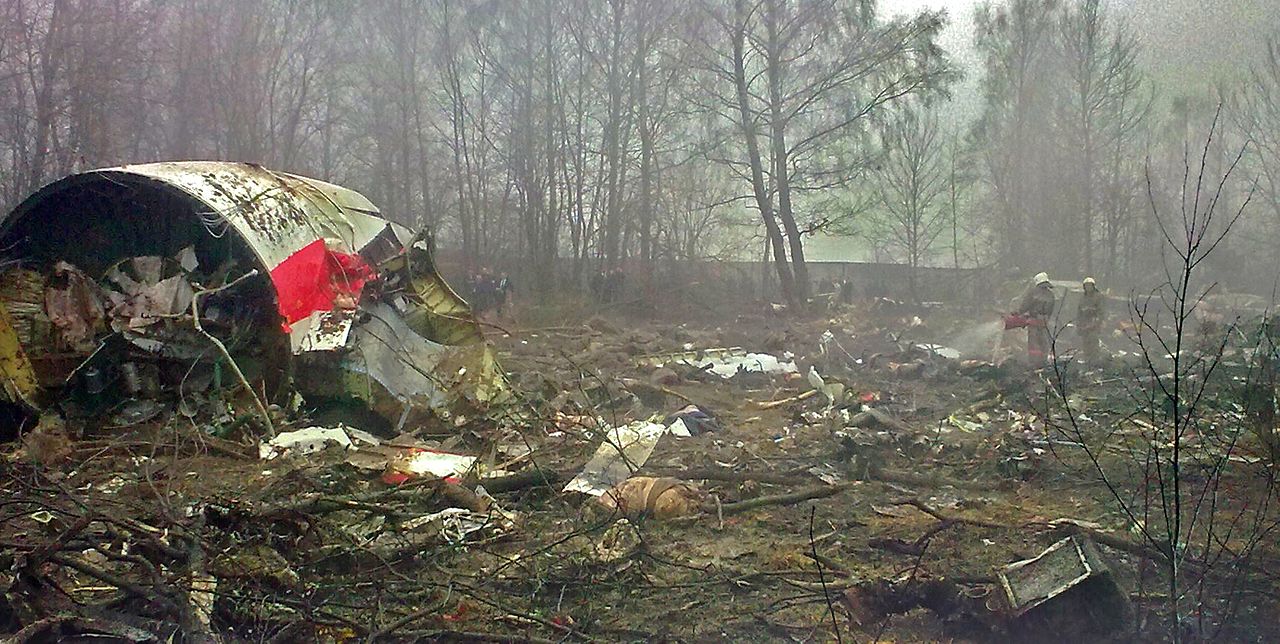




Background
The trip was intended as a high-level state delegation to commemorate the wartime executions at Katyn, a site of deep historical importance for Poland. The flight used Smolensk North Airport, a former military airfield that served the delegation but was not regularly used for large civilian VIP flights. Weather conditions on the morning of the accident included dense fog, which substantially reduced visibility.
Aircraft and passengers
The aircraft was a Tupolev Tu-154M operated by the Polish Air Force for official transport duties. The passenger list comprised political leaders, senior military officers, government officials, members of parliament, and representatives connected to the Katyn commemorations. The loss of many senior figures in a single incident had immediate political and administrative consequences for Poland.
Flight, approach and crash
During the final approach the crew attempted to land in poor visibility. The aircraft descended below the recommended approach path and struck trees short of the runway. The impact caused the airframe to break apart; wreckage came to rest in a wooded area approximately 200 metres before the runway threshold. Official summaries commonly classified the event as a controlled flight into terrain (CFIT), wherein an airworthy aircraft under pilot control impacts terrain due to misjudged descent or navigation in limited visibility.
Investigations
Both Russian and Polish authorities carried out investigations into the cause of the crash. Investigatory bodies examined cockpit voice and flight data recorders, air traffic control communications, crew actions, weather reports and airport infrastructure. Major reports concluded that the aircraft descended below a safe approach path in poor weather, attributing causes to a combination of pilot decision-making, situational awareness, and shortcomings in air traffic control and airport procedures. Some technical findings about the sequence of impacts and wreckage distribution were broadly accepted across inquiries.
Contested findings and public debate
The crash became a subject of prolonged political debate in Poland. Subsequent inquiries, political actors and commentators voiced differing interpretations of evidence, raised questions about handling of recordings and wreckage, and in some cases proposed alternative hypotheses. These disagreements contributed to sustained public controversy and legal or parliamentary activity related to the event. While the basic chronology of approach in fog and impact short of the runway is consistent across investigations, interpretations of causation and the weight of contributing factors have remained contested in parts of public discourse.
Aftermath and legacy
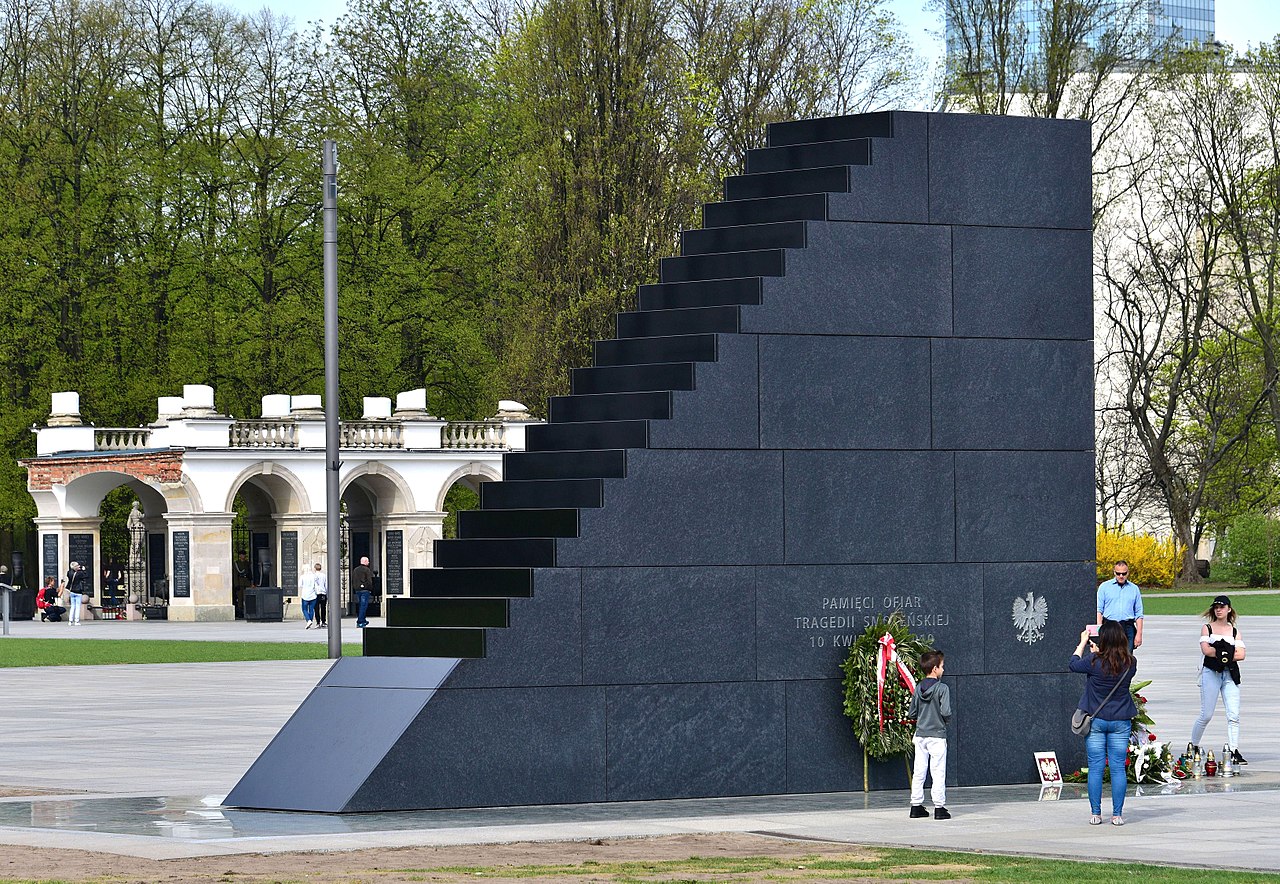
The disaster had profound national consequences. It triggered a period of mourning, state funerals and a reassessment of protocols for transporting senior officials. The event affected Polish-Russian relations and has been commemorated in Poland through memorials, ceremonies and public remembrance. It also prompted discussions about aviation safety, the use of suitable airfields for VIP transport, and the conduct of international accident investigations.
Key facts
- Date: 10 April 2010
- Aircraft: Tupolev Tu-154M, Polish Air Force
- Fatalities: 96 (no survivors)
- Purpose: Delegation to Katyn remembrance ceremonies
- Location: Near Smolensk North Airport, about 19 km west of Smolensk
Notable points
- The delegation represented a wide cross-section of Poland's political, military and civic leadership.
- The accident highlighted operational and safety challenges when using military airfields for VIP civilian flights in poor weather.
- The event remains politically sensitive in Poland and continues to be the subject of public interest, scholarship, and periodic official review.
Questions and answers
Q: What happened in the 2010 Polish Air Force Tu-154 crash?
A: A Tupolev Tu-154M aircraft of the Polish Air Force crashed in the city of Smolensk, Russia, killing all 96 people on board, including the President of Poland Lech Kaczyński and his wife Maria, and other high-ranking officials.
Q: What was the purpose of the flight?
A: The passengers were en route from Warsaw to attend an event marking the 70th anniversary of the Katyn massacre.
Q: Where did the crash occur?
A: The crash occurred in the city of Smolensk, Russia, about 19 kilometers west of the city.
Q: How did the crash happen?
A: The pilots attempted to land at Smolensk North Airport in thick fog, and were given confusing instructions from the traffic controller. The plane was too low as it approached the runway, and ultimately struck trees and crashed.
Q: What was the visibility like during the attempted landing?
A: The thick fog reduced visibility to about 500 meters, or 1600 feet.
Q: How far did the aircraft come to a rest from the runway?
A: The aircraft came to rest 200 meters, or 660 feet, short of the runway in a wooded area.
Q: Who were some of the other victims on board the aircraft besides the President of Poland?
A: Other victims included the former President of Poland in exile, Ryszard Kaczorowski, 18 members of the Polish parliament, and relatives of victims from the Katyn massacre.
Related articles
Author
AlegsaOnline.com 2010 Smolensk air disaster Leandro Alegsa
URL: https://en.alegsaonline.com/art/112442