
2009 Victorian bushfires (Black Saturday)
A series of catastrophic bushfires in Victoria, Australia on 7 February 2009—known as Black Saturday—killed 173 people, injured hundreds, destroyed thousands of buildings and prompted major inquiries and policy changes.
Overview
On 7 February 2009 a complex of fires ignited across the Australian state of Victoria during extreme weather and quickly became the event known as Black Saturday. More than 400 separate fire starts were reported that day and in the days that followed (more than 400 bushfires), and many spread into large, fast-moving conflagrations. The emergency continued across the state for weeks and was one of the deadliest bushfire disasters in Australia.
Image gallery
10 Images




Conditions and causes
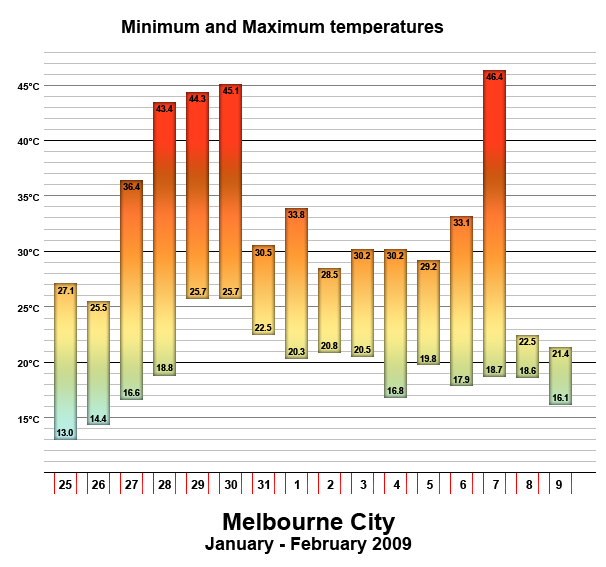
The scale and severity of the fires were driven by an intense heatwave, very low humidity, and strong, gusty winds which created extreme fire behaviour. Some ignitions were started by accidental or human-related causes and by electrical infrastructure failures; embers and spot fires caused rapid extensions of the main fronts. The interaction of weather, landscape, and many small ignition points turned local blazes into widespread, highly destructive events.
Human and material impact
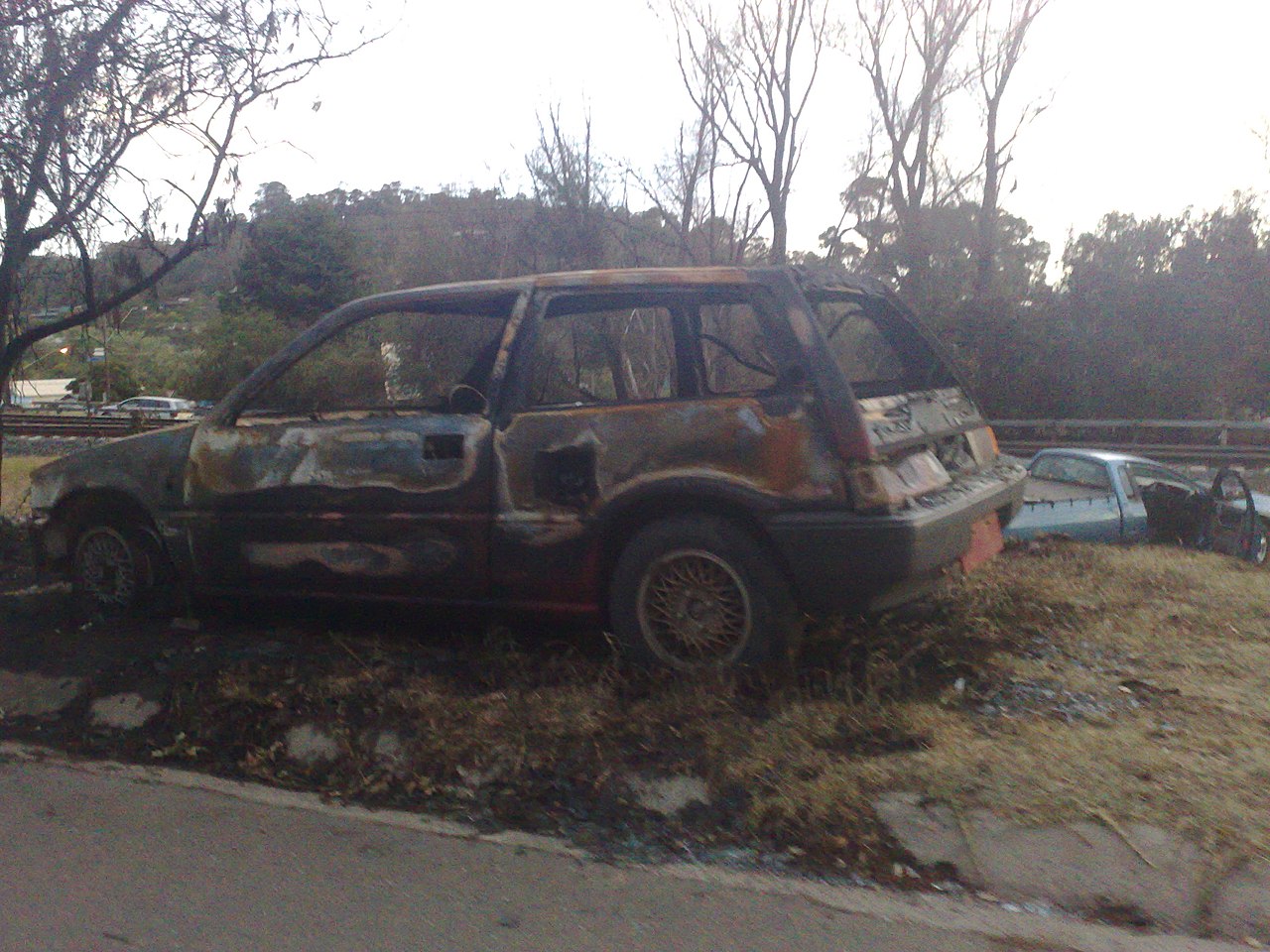
The loss of life and physical destruction were substantial. Official investigations recorded 173 fatalities and hundreds of people seriously injured—many treated in hospital for burns and other trauma (hospital reports). Thousands of residents were left homeless and many townships suffered severe damage. Around two thousand homes and hundreds of other buildings were destroyed; the economic and social cost ran into the billions of dollars. Forensic work and careful reconciliation of records resulted in a revised and confirmed death toll (forensic testing and identification).
Response and investigation
State and local emergency services mounted firefighting and rescue operations under extraordinarily difficult conditions. In the months after the fires, the government established a formal inquiry to examine the causes, the adequacy of warnings and communications, the preparedness of communities, and the performance of emergency services. That inquiry made a range of recommendations aimed at improving fire prediction, infrastructure safety, community planning and warning systems.
Legacy and reforms
Black Saturday prompted widespread changes in bushfire policy and practice. Reforms included revisions to risk assessment and warnings, changes to electrical and land-management standards, investment in firefighting capability, and renewed community education about bushfire behaviour and survival choices. The event remains a touchstone in Australian public policy for emergency management and community resilience.
Notable facts
- The name "Black Saturday" is commonly used in media and public memory to refer to 7 February 2009 and its immediate aftermath.
- The disaster highlighted how extreme weather can transform many small fires into a single catastrophic event.
- Long-term recovery has involved reconstruction, memorials and ongoing support for affected communities.
Questions and answers
Q: What were the 2009 Victorian bushfires called?
A: The 2009 Victorian bushfires were also known as Black Saturday.
Q: When did the fires start in Victoria, Australia?
A: The fires started on February 7, 2009.
Q: How long did the fires last?
A: The fires lasted for around two months, ending on March 14, 2009.
Q: What was the impact of these bushfires?
A: These bushfires caused Australia's highest ever loss of life from a bushfire - 173 people died and 414 people were taken to hospitals with bad burns.
Q: Was the initial death toll accurate?
A: No, initially it was thought that 210 people had died but forensic tests showed that there were actually 173 deaths and the death toll was revised accordingly.
Q: Who declared these bushfires as Black Saturday?
A: It is unclear who declared these bushfires as Black Saturday but it is likely to have been due to its devastating effects and high death toll.
Related articles
Author
AlegsaOnline.com 2009 Victorian bushfires (Black Saturday) Leandro Alegsa
URL: https://en.alegsaonline.com/art/112426
Sources
- irishtimes.com : "Rudd criticised over bush fire compensation"
- royalcommission.vic.gov.au : "Chap.5"
- theage.com.au : "deliberately lit: police"
- abc.net.au : "Lightning starts new bushfires in Grampians"
- theaustralian.news.com.au : "Police track arsonists responsible for Victoria bushfires"
- police.vic.gov.au : police.vic.gov.au/homepage · web.archive.org
- mja.com.au : Australian Medical Journal
- smh.com.au : "Horrific, but not the worst we've suffered"
- news.com.au : "Victoria under siege as fires rage across state"
- news.com.au : "Victoria emergency services warn people to prepare for horror fire conditions"
- smh.com.au : "Marysville almost destroyed in Victorian bushfires"
- abc.net.au : "'Absolute devastation': Victoria gutted by deadly bushfires"
- news.com.au : "Bushfires in Victoria kill 35, fears death toll will rise"