
2009 Atlantic hurricane season
Overview of the 2009 Atlantic hurricane season: timeline, characteristics, notable features, impacts, and how the season compared to long-term activity.
Overview
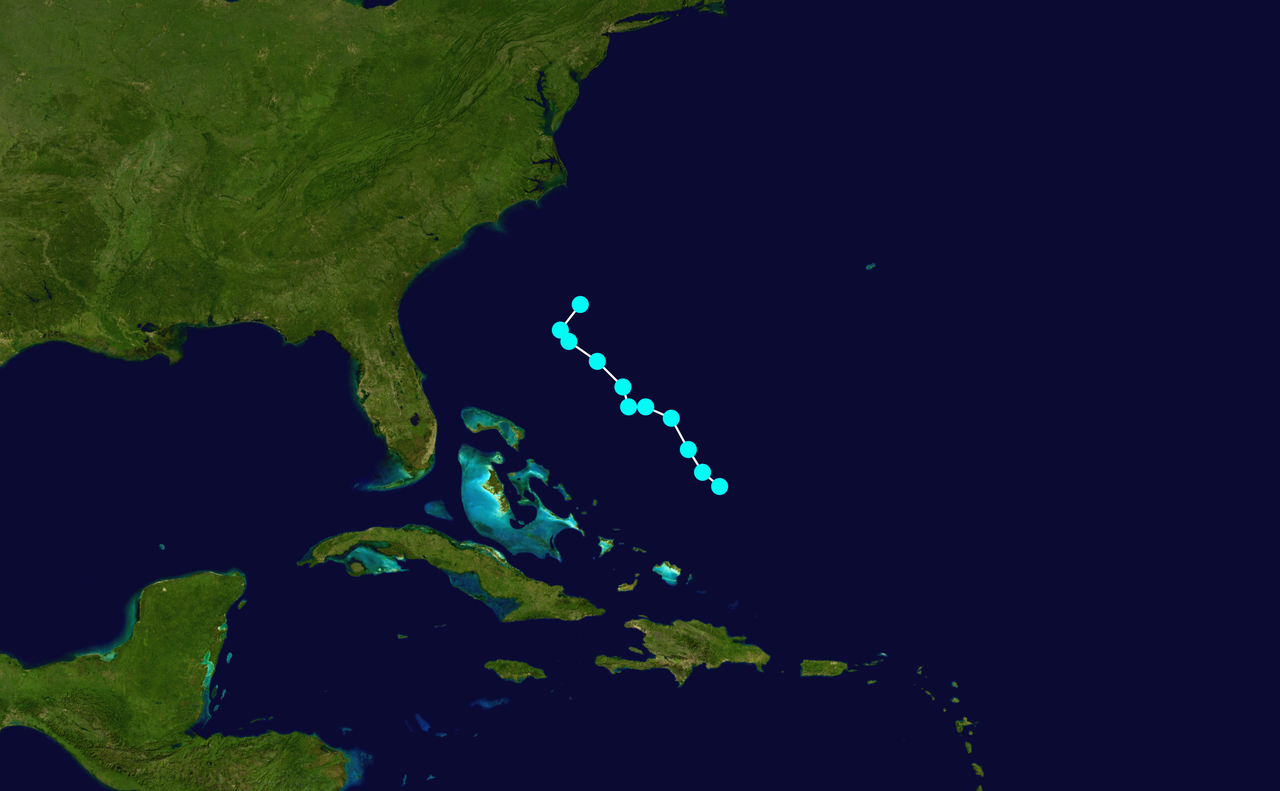
The 2009 Atlantic hurricane season is the annual period when tropical cyclones are most likely to form in the North Atlantic basin. By convention the season runs from June 1 through November 30, although systems occasionally develop outside those dates. In 2009 the first organized system developed before the official start, with a tropical depression forming on May 28. The basin for this activity is the Atlantic Ocean and its adjacent waters, which are monitored by meteorological agencies and hurricane centers for signs of tropical development.
Image gallery
10 Images





Season characteristics
The season was quieter than the long‑term average. Several systems reached tropical storm strength, and a subset intensified into hurricanes; two of the hurricanes achieved major‑hurricane status (Category 3 or higher on the Saffir–Simpson scale). One unusual feature of 2009 was a gap in early summer activity: no tropical storms formed during June or July, a pause in named storm formation not seen since 1992. The overall pattern reflected a mix of atmospheric and oceanic factors that suppressed widespread strengthening.
Timeline and notable systems
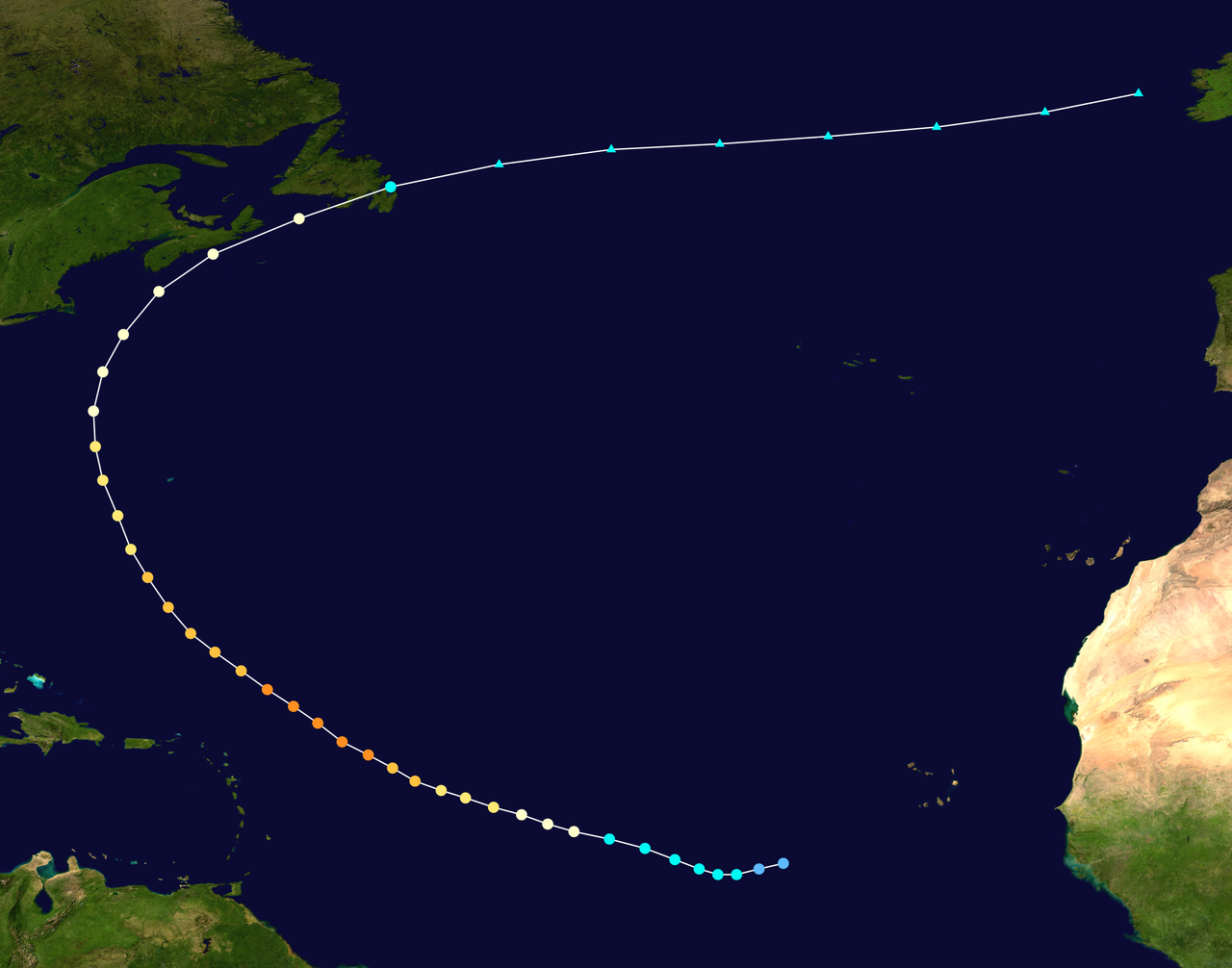
The season opened with a pre‑June tropical depression and then produced additional depressions and named storms during the summer and autumn months. Intensification typically depends on sea‑surface temperatures, wind shear, moisture availability and steering currents; in 2009 these elements limited the number of persistent, long‑lived storms. A few systems reached hurricane intensity and were notable for rapid intensification episodes and for the tracks they followed across the Atlantic.
Impacts and examples
Even seasons with below‑average counts can produce significant local impacts along coastlines and on islands. Storms in 2009 brought heavy rain, coastal erosion, flooding and wind damage in affected areas. Impacts varied from nuisance flooding and beach erosion to more serious disruptions where a storm made landfall or passed near populated regions. Emergency management agencies continued standard preparedness measures throughout the season.
Forecasting, records and legacy
Operational forecasting in 2009 relied on satellite imagery, reconnaissance aircraft when available, and numerical models. Seasonal outlooks issued before and during the year highlighted conditions that could suppress activity, such as increased wind shear or cooler Atlantic waters. The early‑season May system and the June–July lull remain points of interest for climatologists studying variability in hurricane seasons. For additional technical summaries and official reports, see agency archives and seasonal reviews linked by agencies that track tropical cyclones.
Data and further reading
- Season dates and basic definitions: 2009 context.
- Pre‑season and post‑season reports: analysis and retrospectives.
- Regional impacts and emergency responses: local summaries.
- Climatological comparisons and records: historical perspective and seasonal statistics.
Questions and answers
Q: When did the 2009 Atlantic hurricane season start?
A: The 2009 Atlantic hurricane season started on June 1, 2009.
Q: When did the 2009 Atlantic hurricane season end?
A: The 2009 Atlantic hurricane season ended on November 30, 2009.
Q: What was the earliest storm to form during this season?
A: The earliest storm to form during the 2009 Atlantic hurricane season was Tropical Depression One which formed on May 28.
Q: How many storms occurred in June and July of this year?
A: There were no storms that occurred in June or July of this year.
Q: When was the last time there were no storms in either June or July?
A: The last time there were no storms in either June or July was 1992.
Q: How many tropical depressions occurred during this season?
A: There were 2 tropical depressions that occurred during the 2009 Atlantic hurricane season.
Q: How many hurricanes occurred during this season?
A: There were 3 hurricanes that occurred during the 2009 Atlantic hurricane season.
Related articles
Author
AlegsaOnline.com 2009 Atlantic hurricane season Leandro Alegsa
URL: https://en.alegsaonline.com/art/112424
Sources
- nhc.noaa.gov : "Tropical Depression One Tropical Cyclone Report"
- nhc.noaa.gov : "Tropical Storm Ana Tropical Cyclone Report"
- nhc.noaa.gov : "Hurricane Bill Tropical Cyclone Report" · webcitation.org
- google.com : google.com
- nhc.noaa.gov : "Tropical Storm Erika Tropical Cyclone Report"
- nhc.noaa.gov : "Hurricane Fred Tropical Cyclone Report"
- nhc.noaa.gov : "Tropical Cyclone Report: Tropical Storm Henri"